
Drawing and Engineering Review
We review mating surfaces and interface dimensions and assess material, heat treatment and manufacturing feasibility.
Copper mining uses several different process routes. Explore equipment and key wear parts for open-pit porphyry mines, HPGR circuits, underground block caving and oxide ore heap leaching. Equipment and part links open their respective detail pages.
Each route identifies the main equipment and wear locations. The process route determines the equipment combination and the wear-part selection.
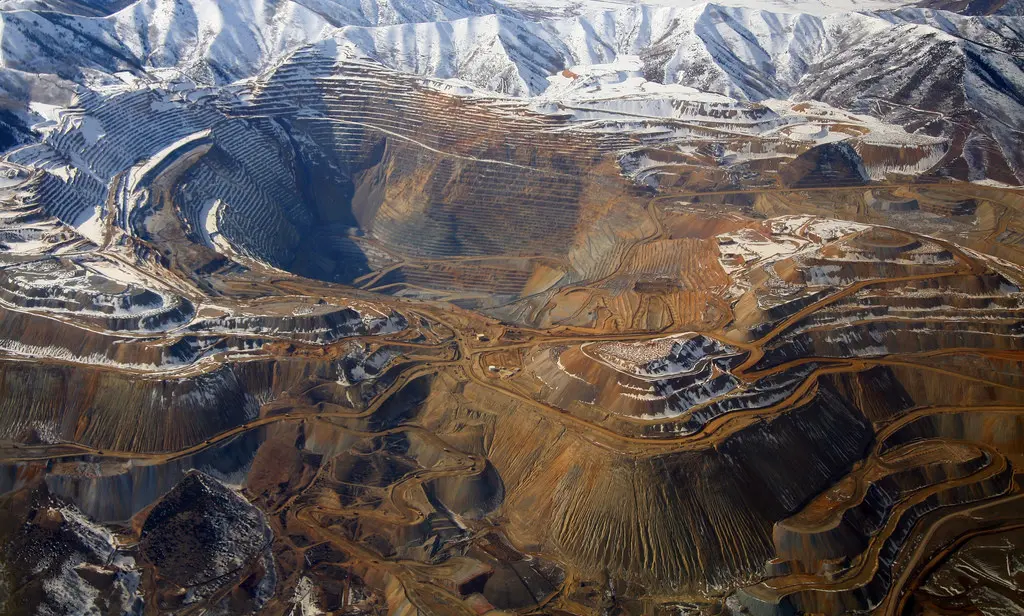
Large open-pit porphyry mines commonly use gyratory primary crushing followed by SAG and ball milling. Key wear areas include gyratory liners, SAG liners and slurry pump wet-end parts.
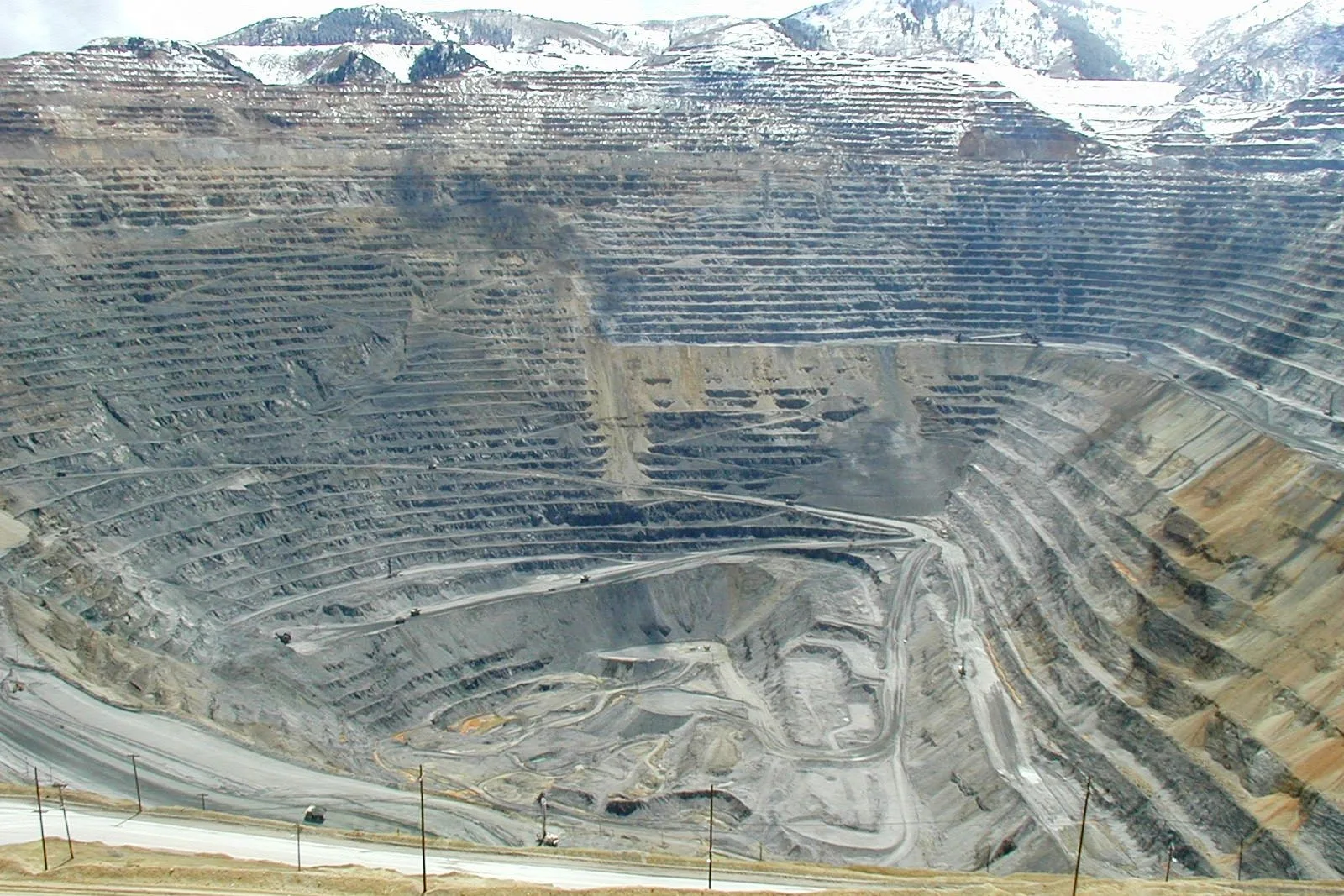
HPGR can provide an alternative to a SAG circuit, with energy savings dependent on ore and process conditions. Feed stability, tramp-iron removal and distribution across the roll width affect roll surface wear.
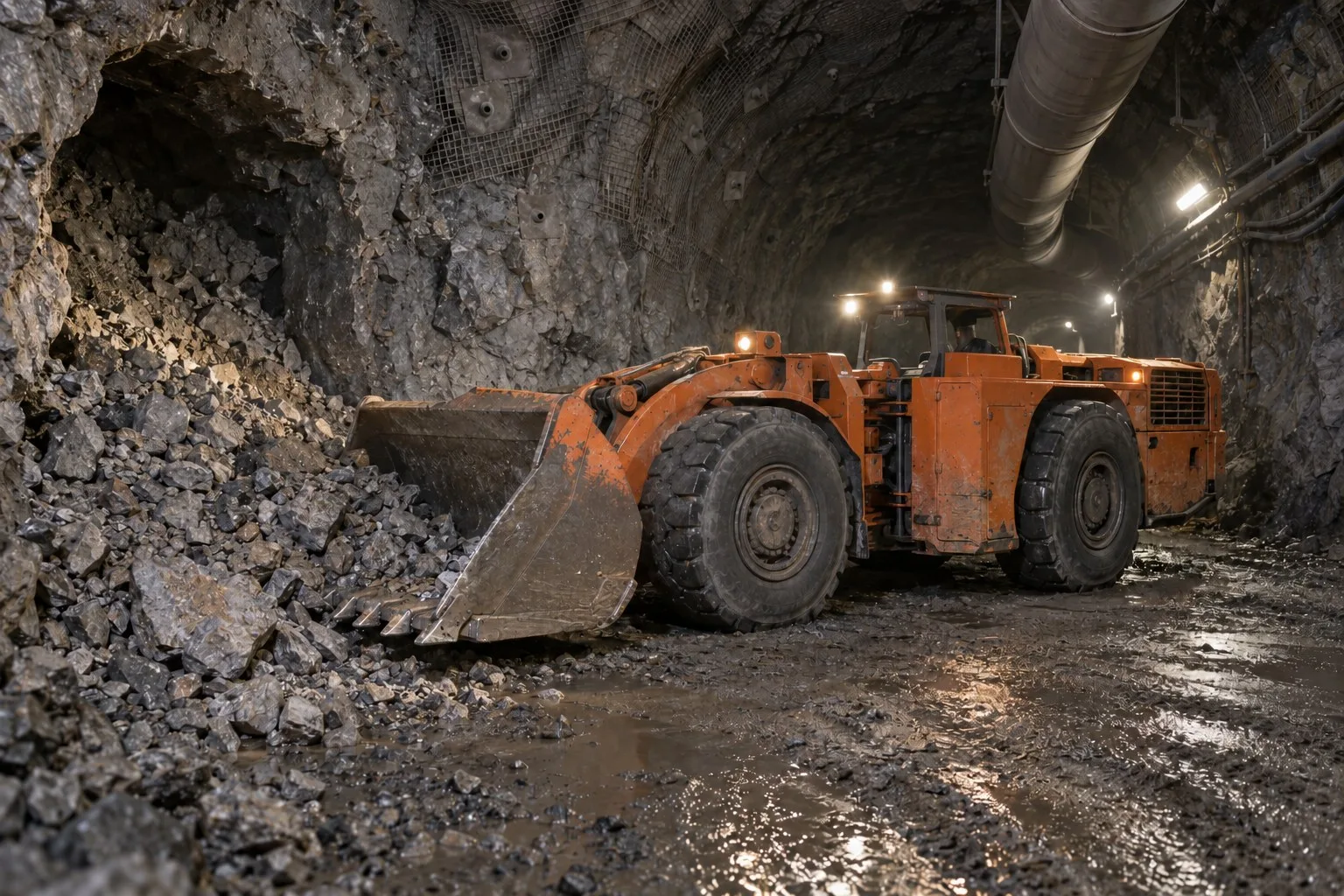
Underground space constraints place crushers in chambers and introduce ore bins, ore passes, hoisting and long-distance conveying. Relevant wear parts include LHD bucket teeth, ore bin liners and ore pass liners.
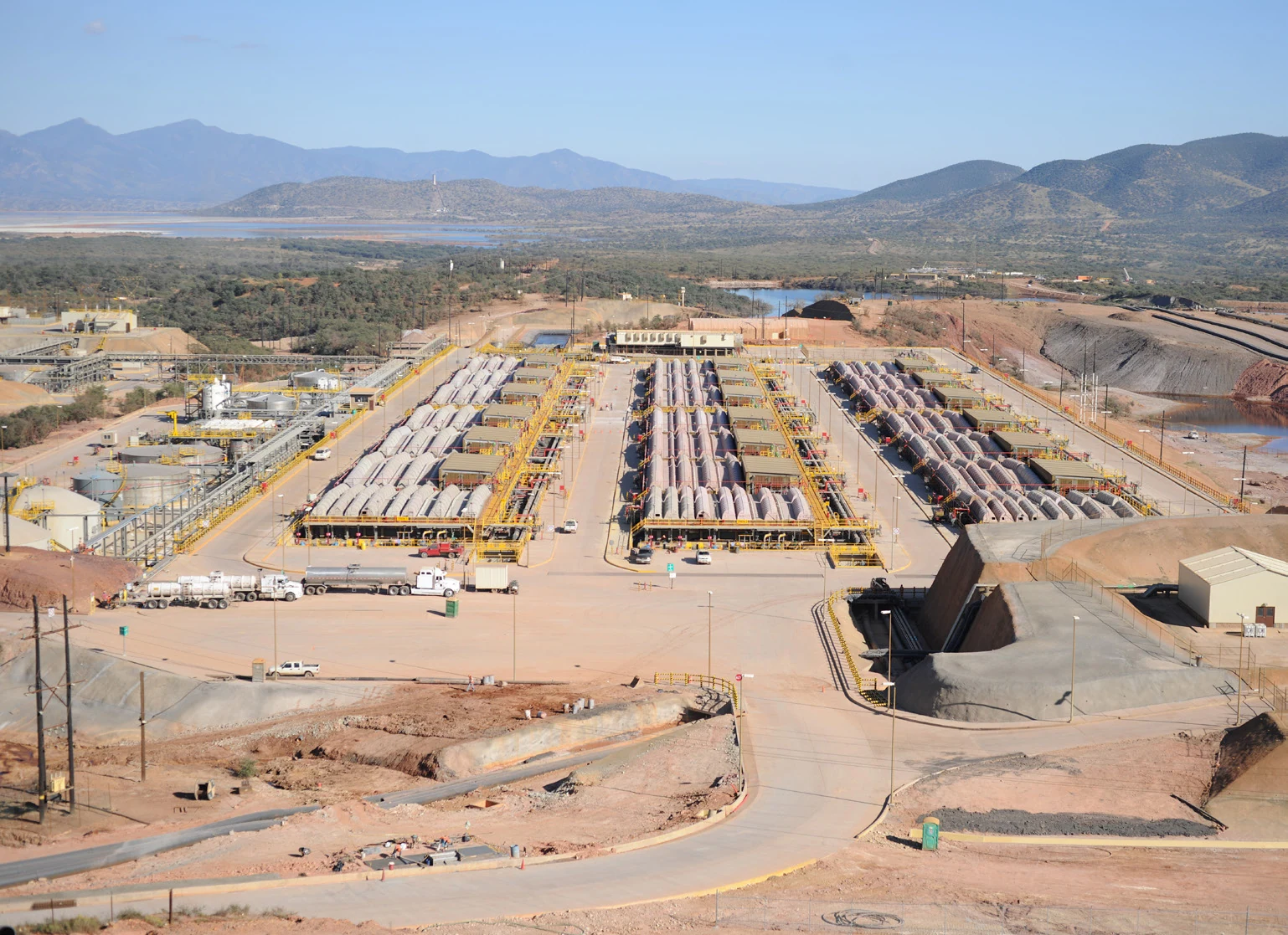
Heap leaching with SX/EW focuses on crushing, screening, leach-solution transport, solvent extraction and electrowinning. Select pump, piping and valve materials for the solution chemistry, solids content and erosive conditions.
Browse equipment images, machine names and key wear parts. Select a machine or part name to open its detail page.
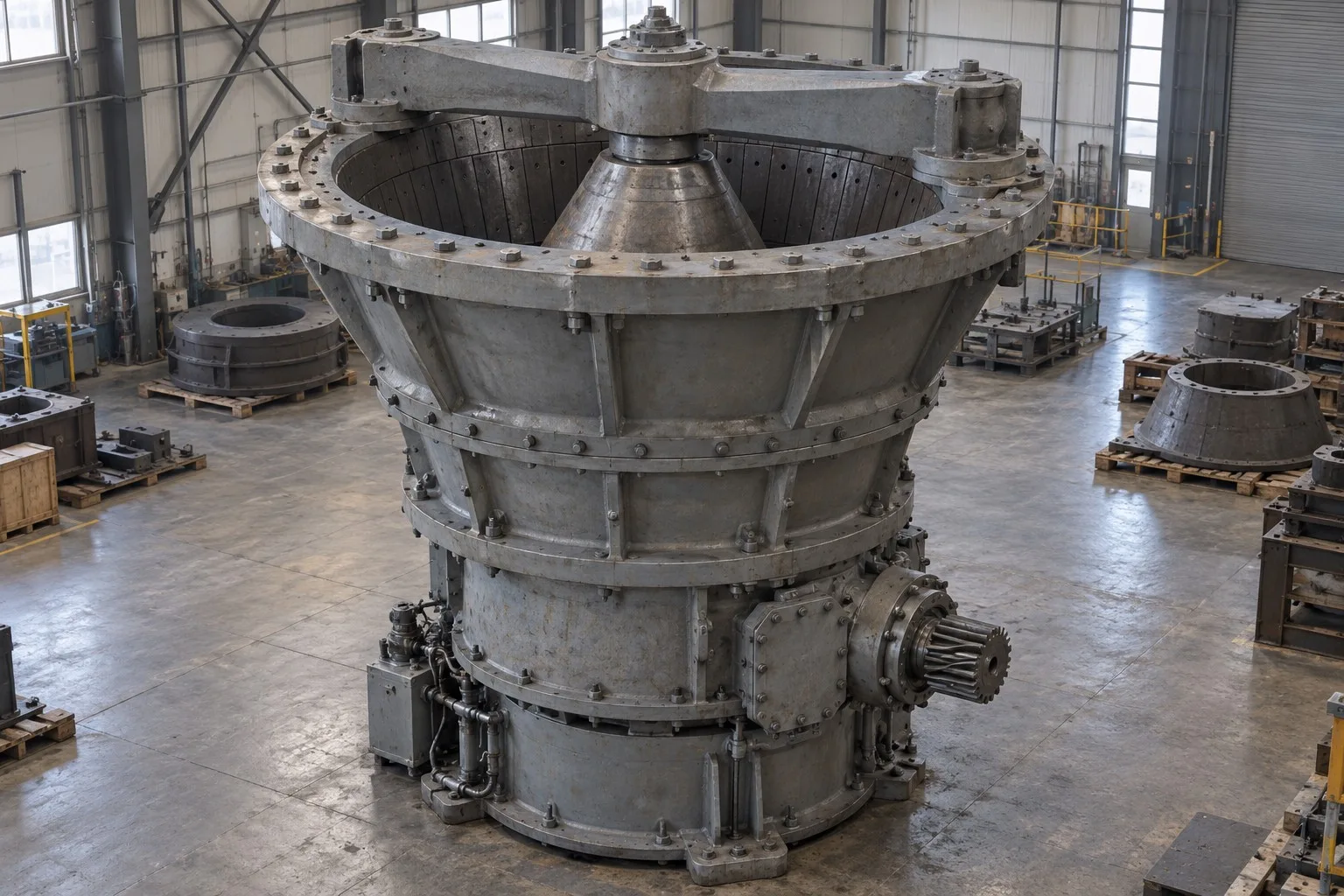
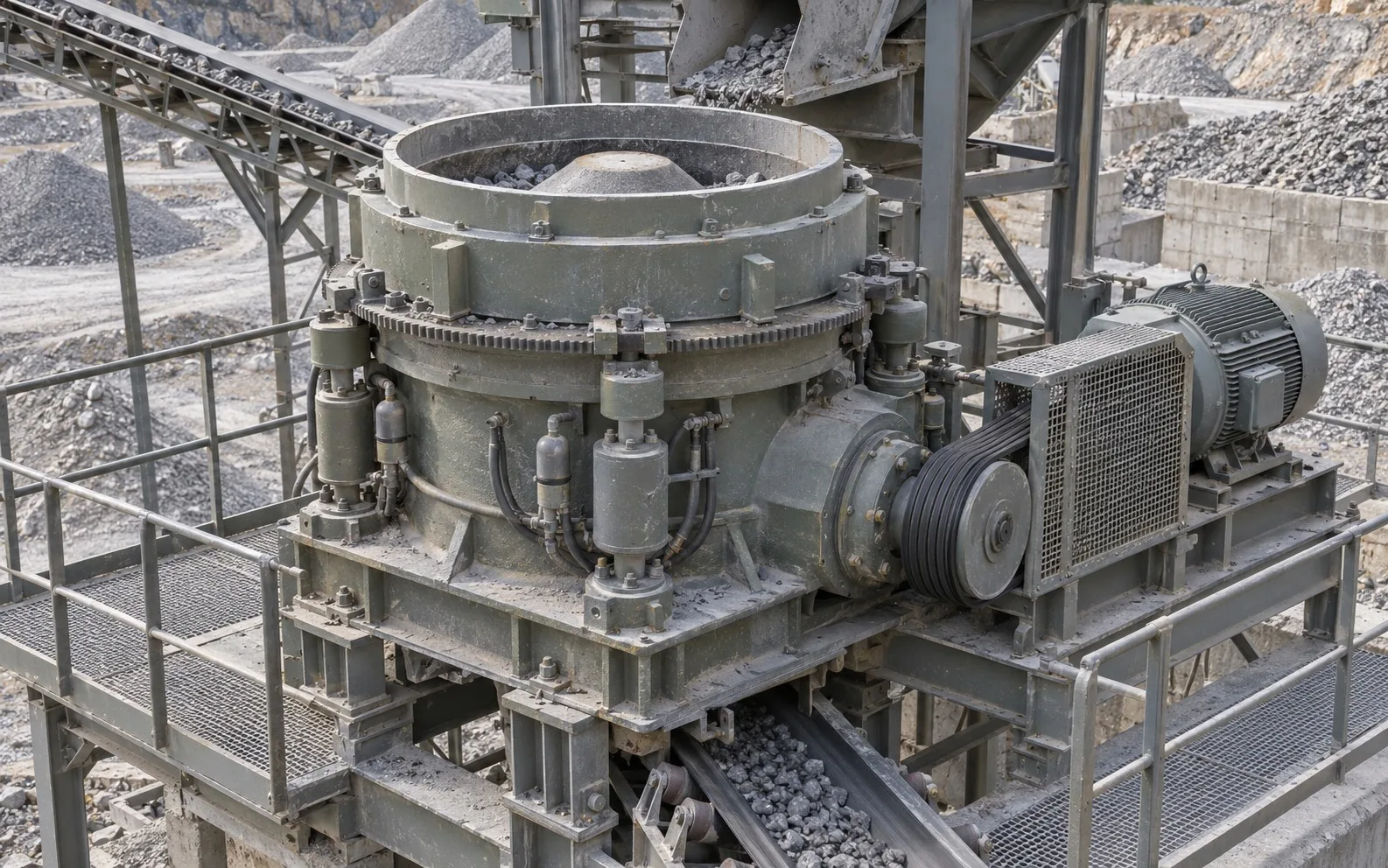
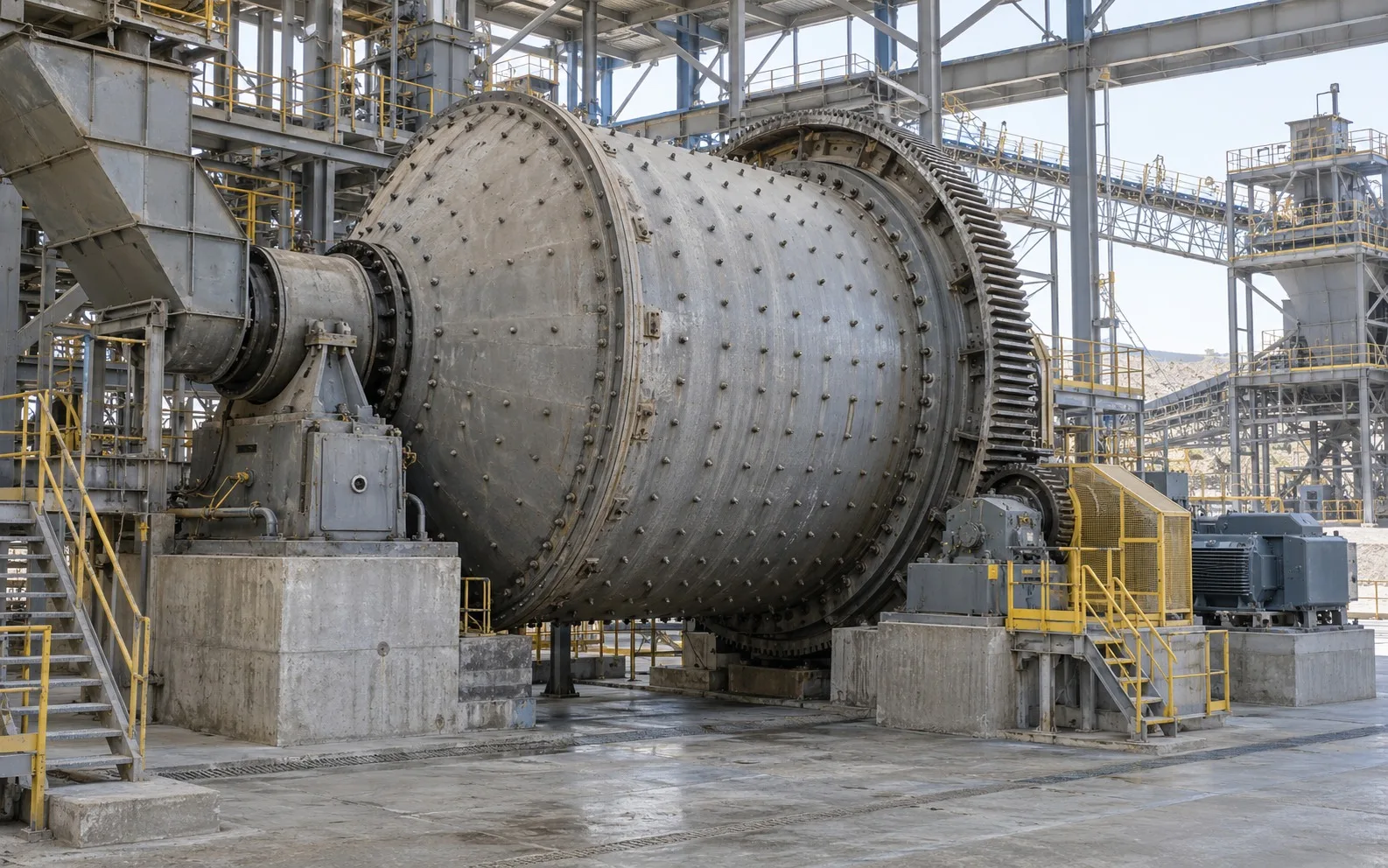
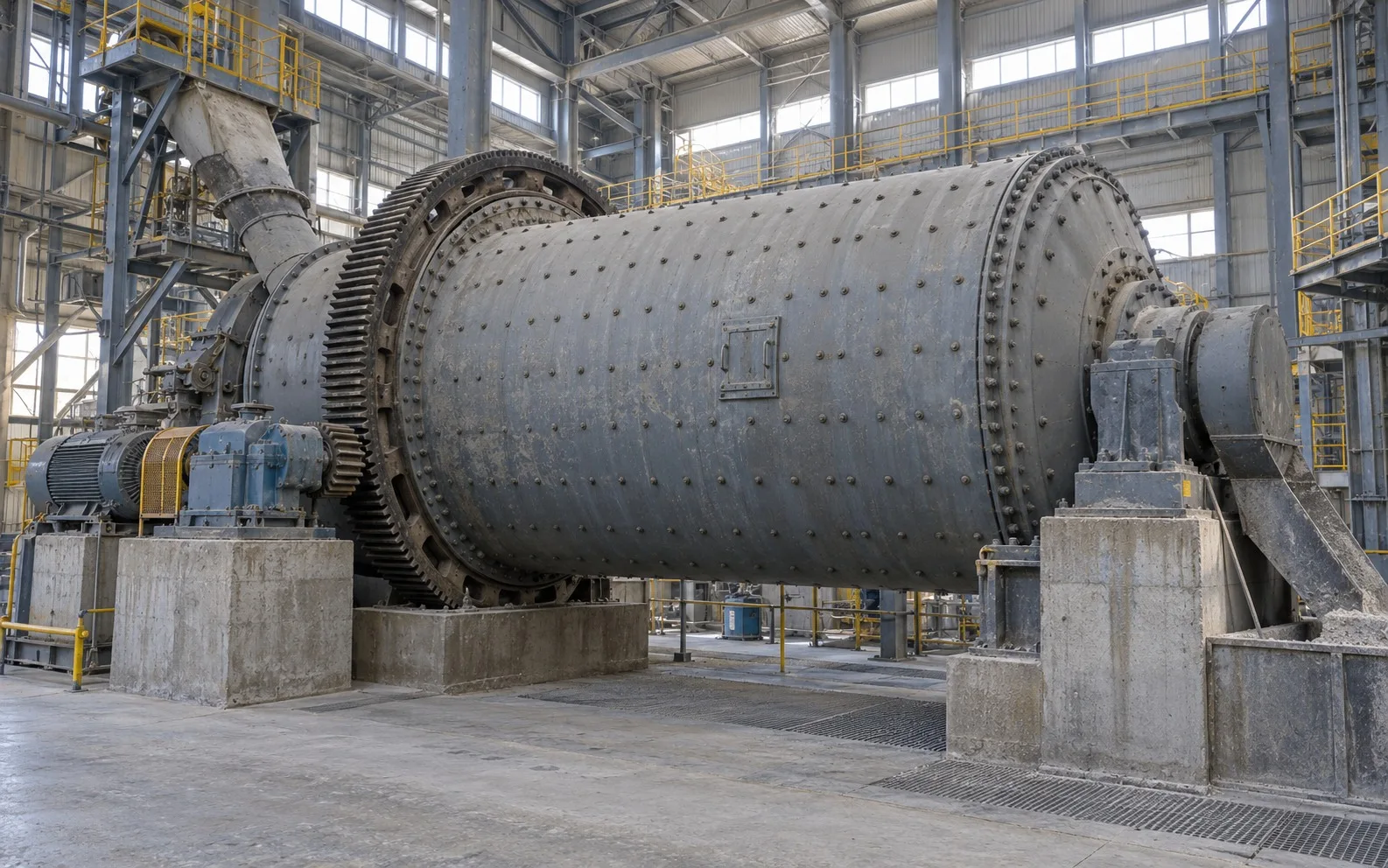
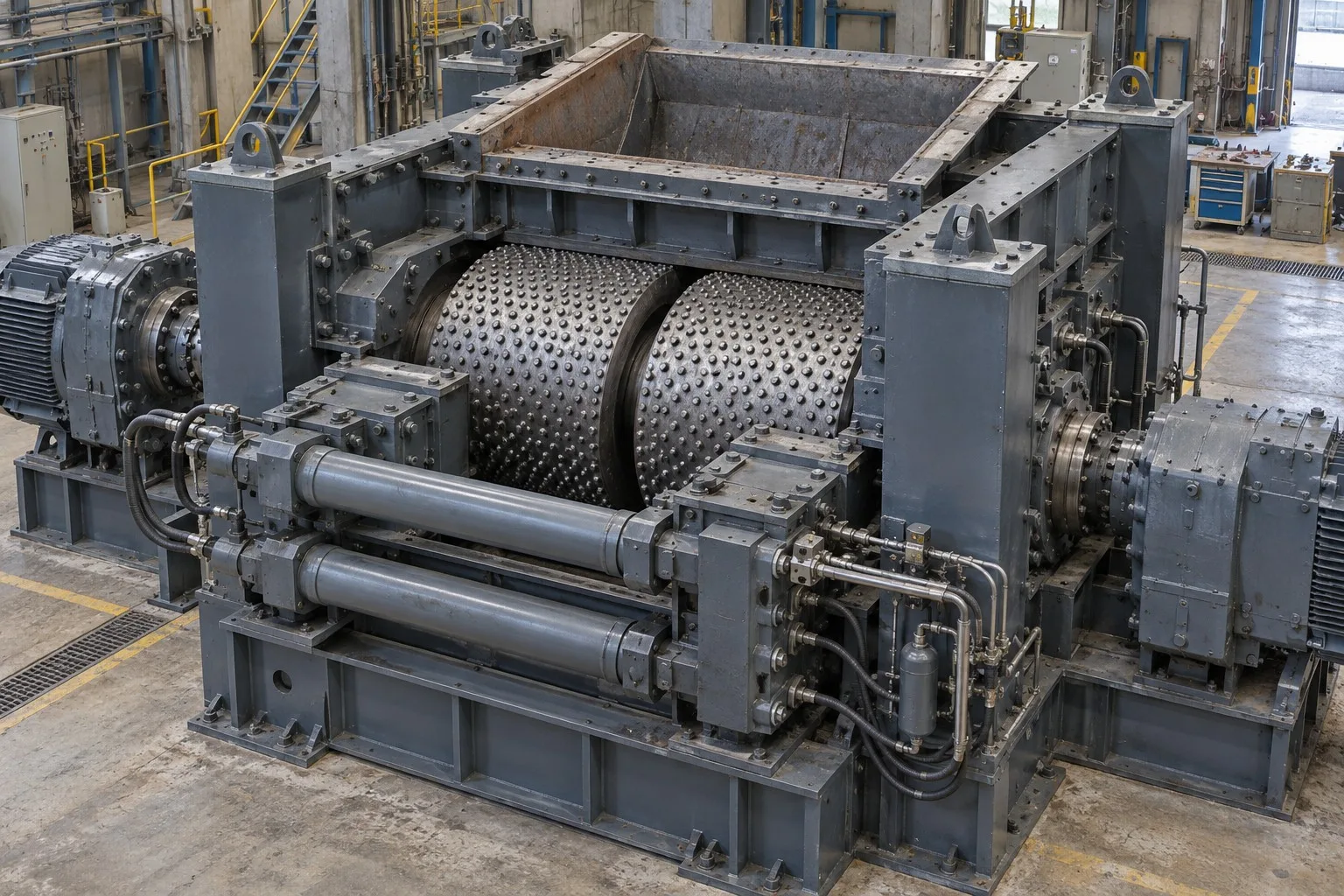
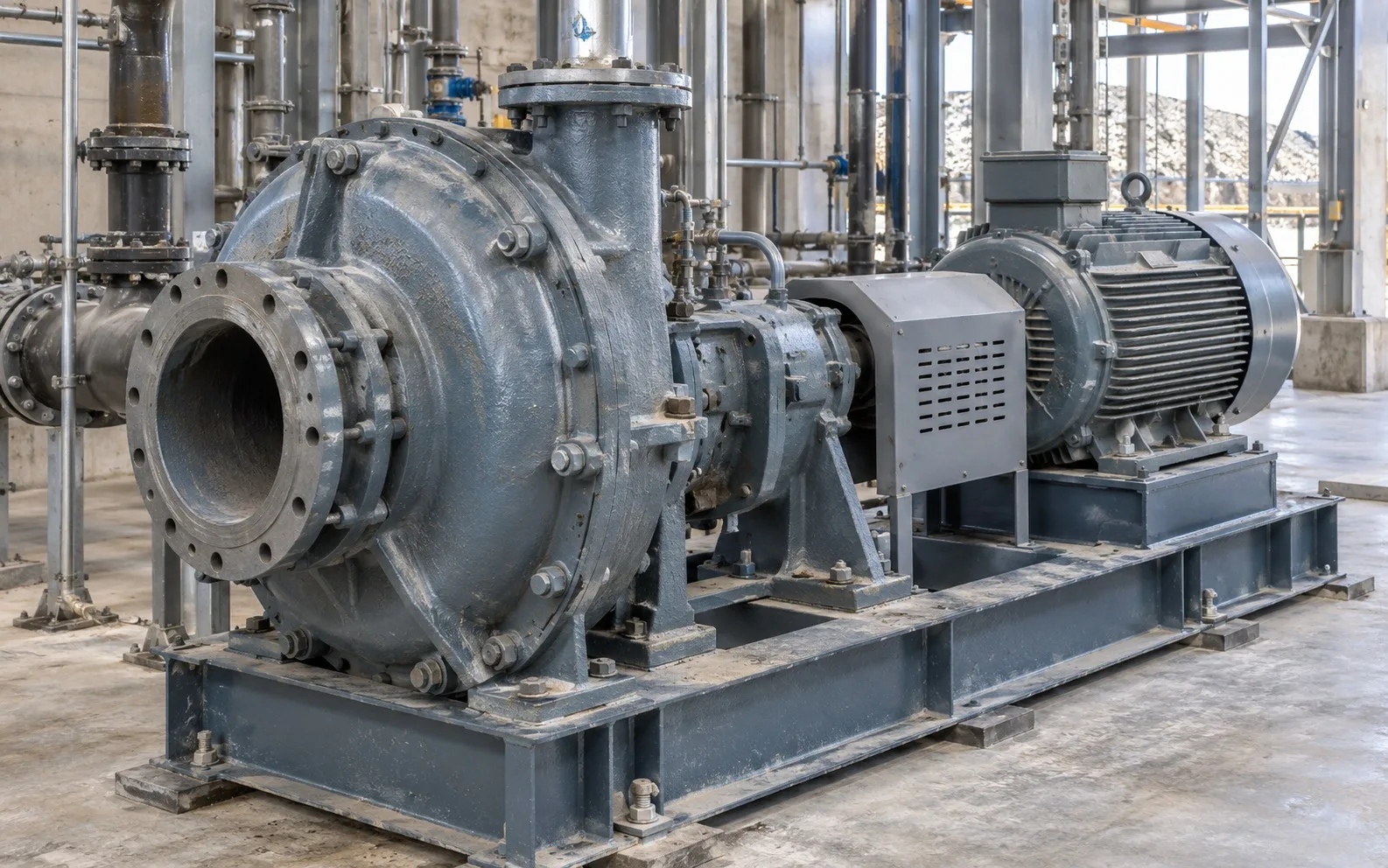
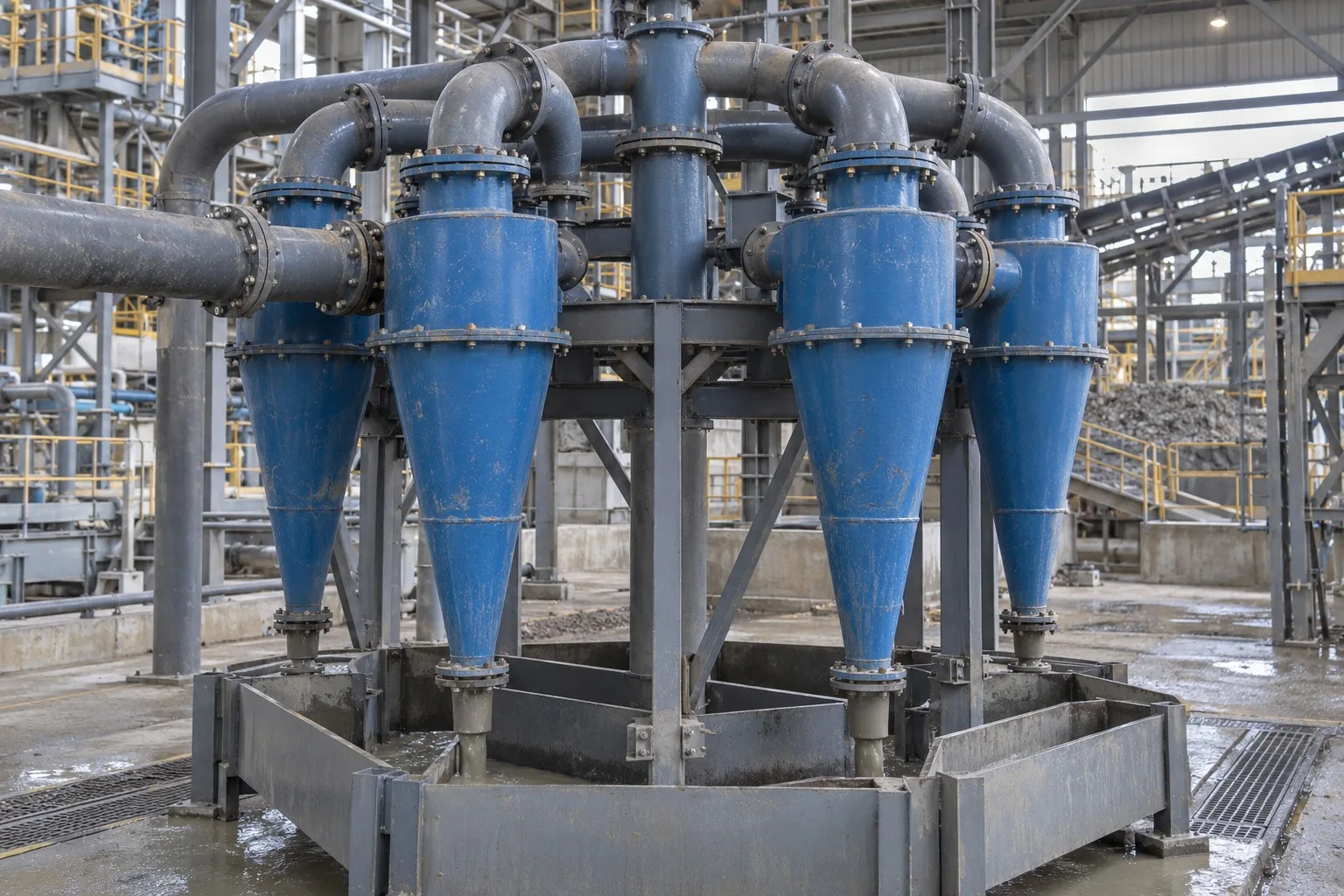
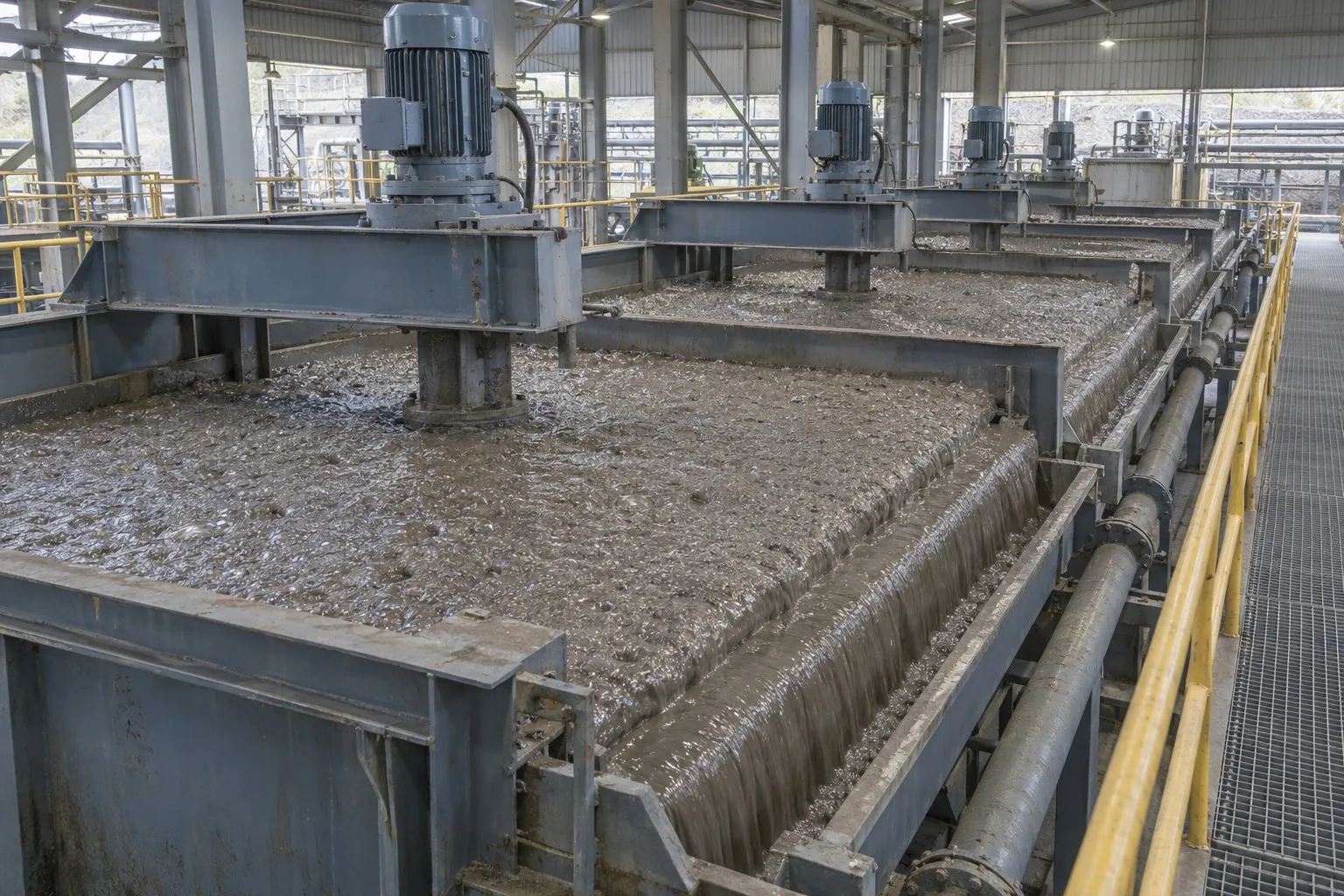
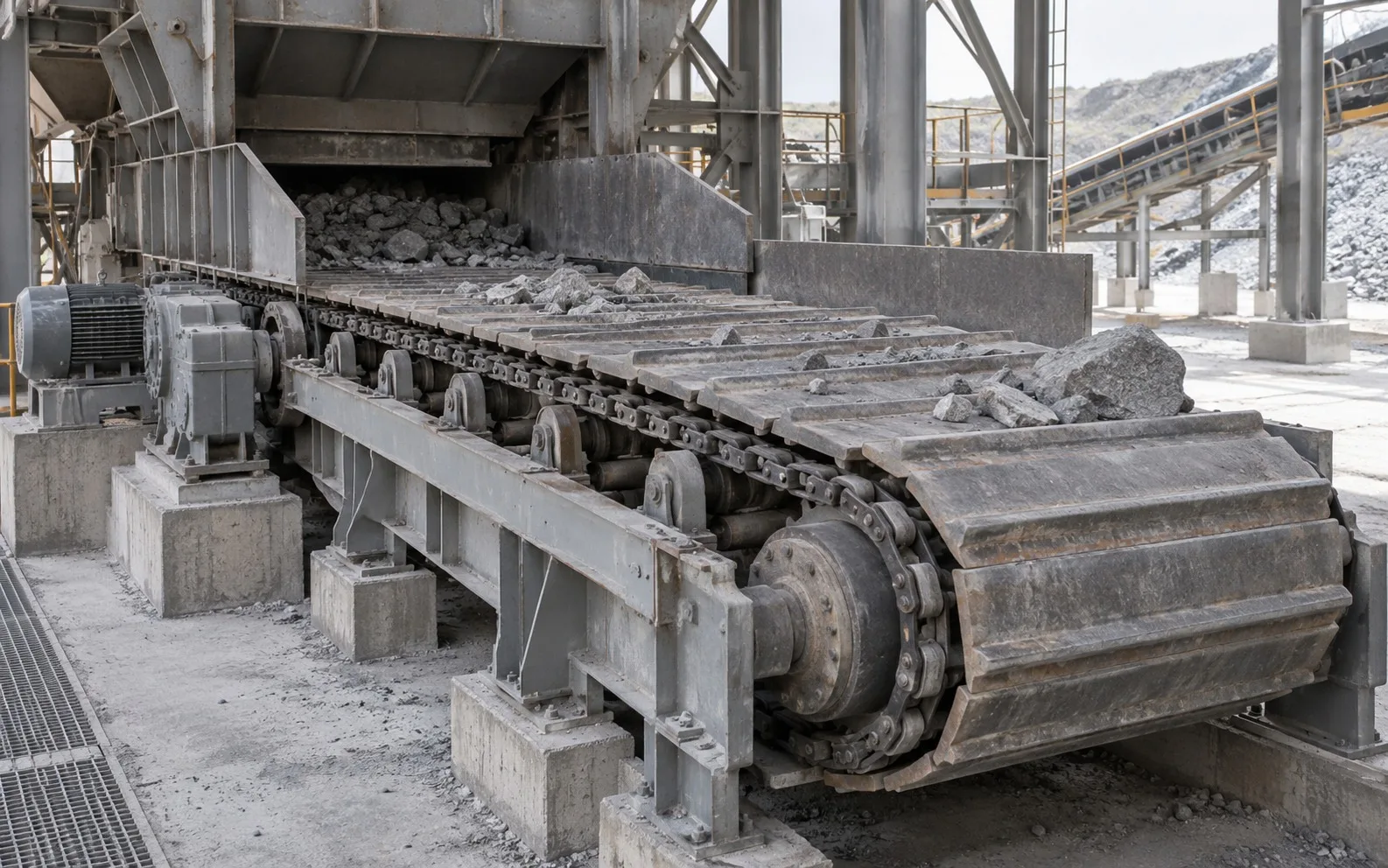
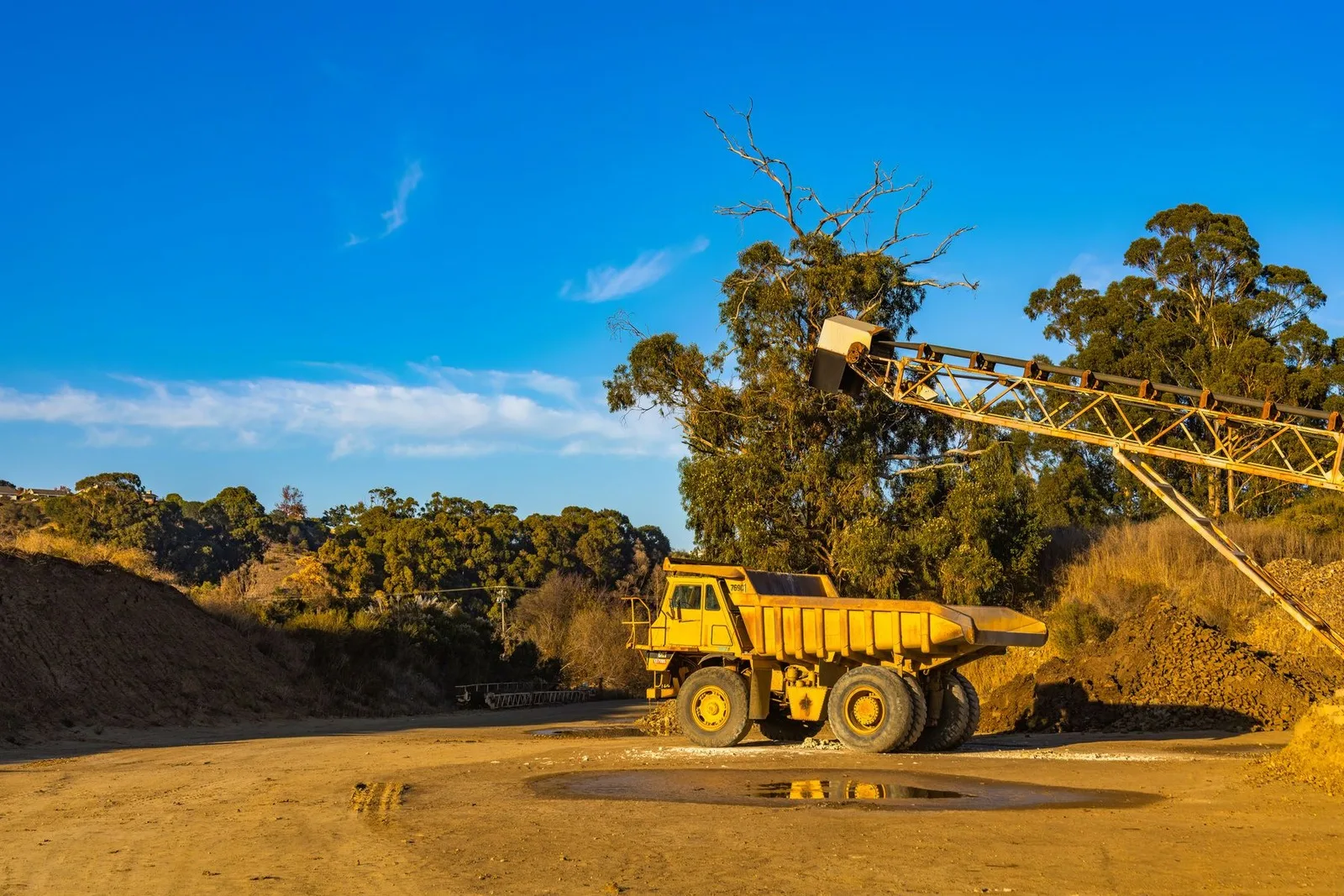
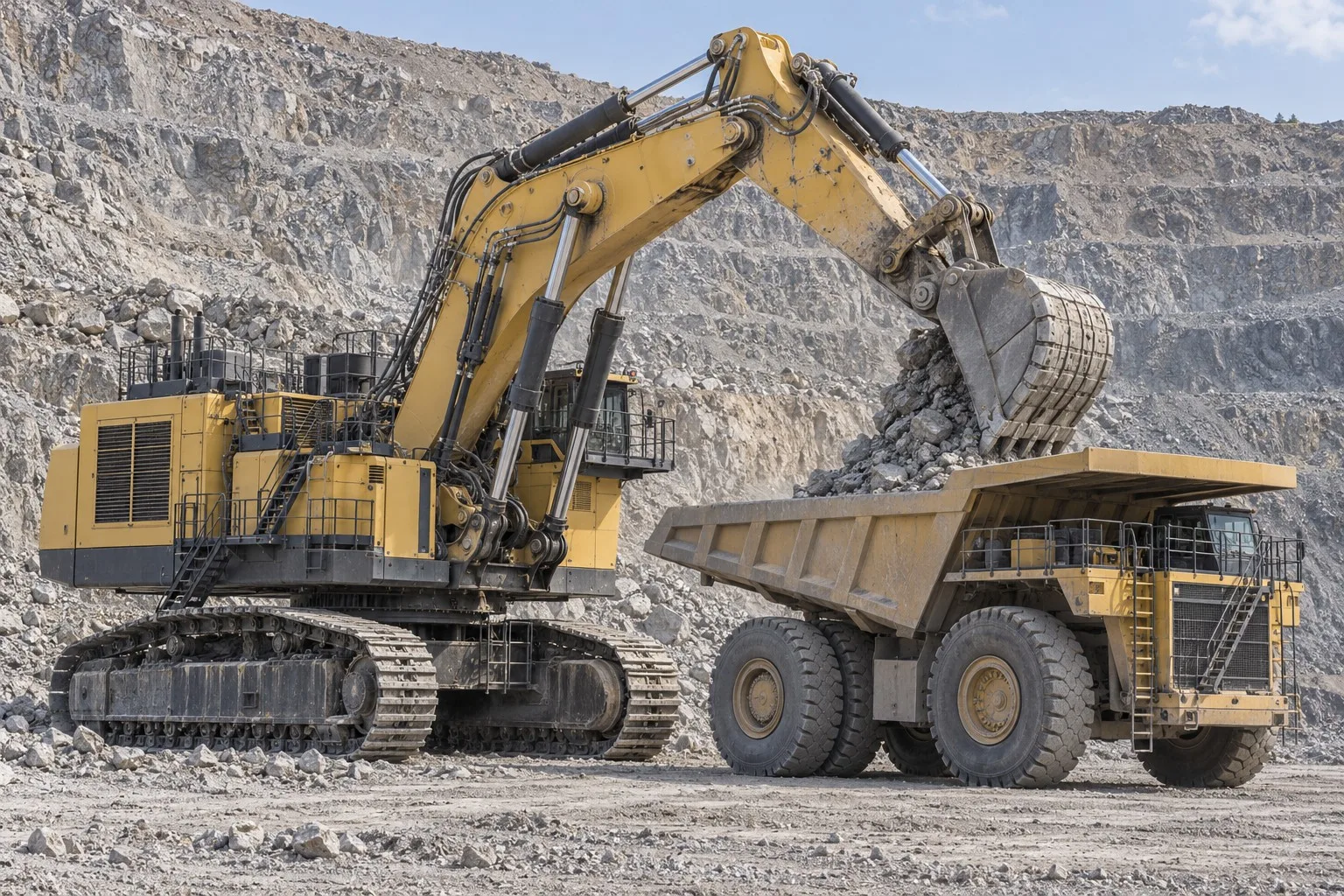
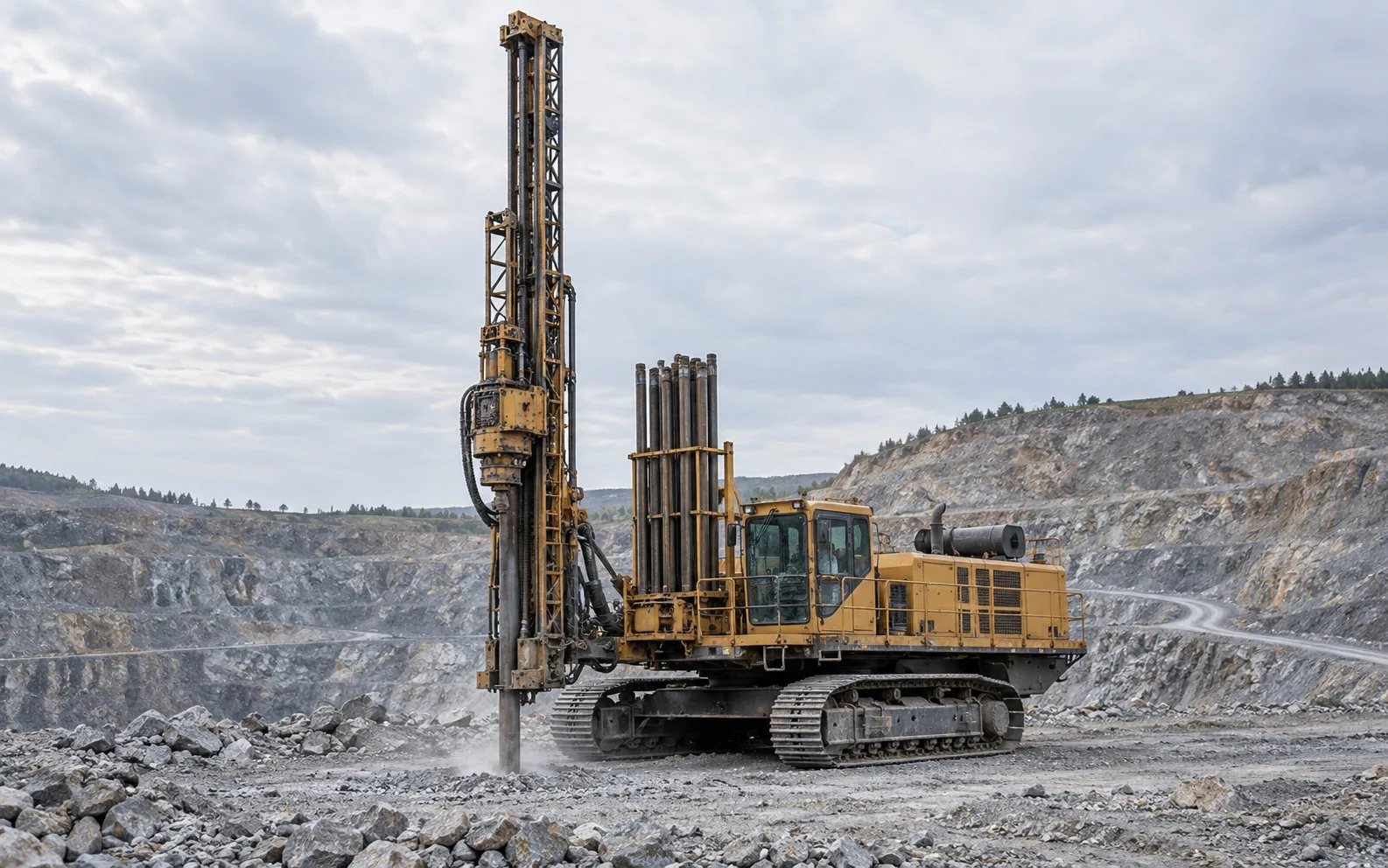
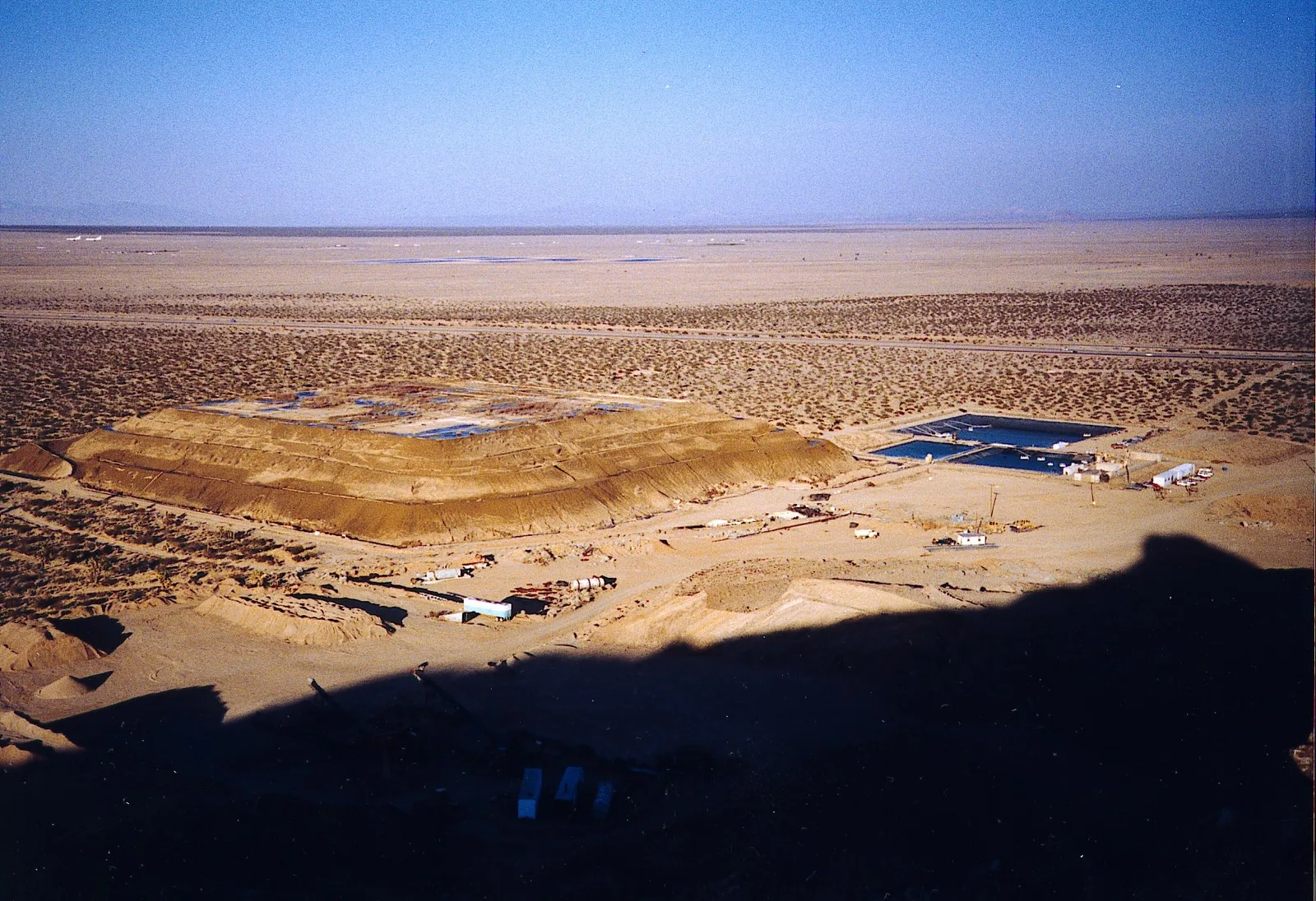
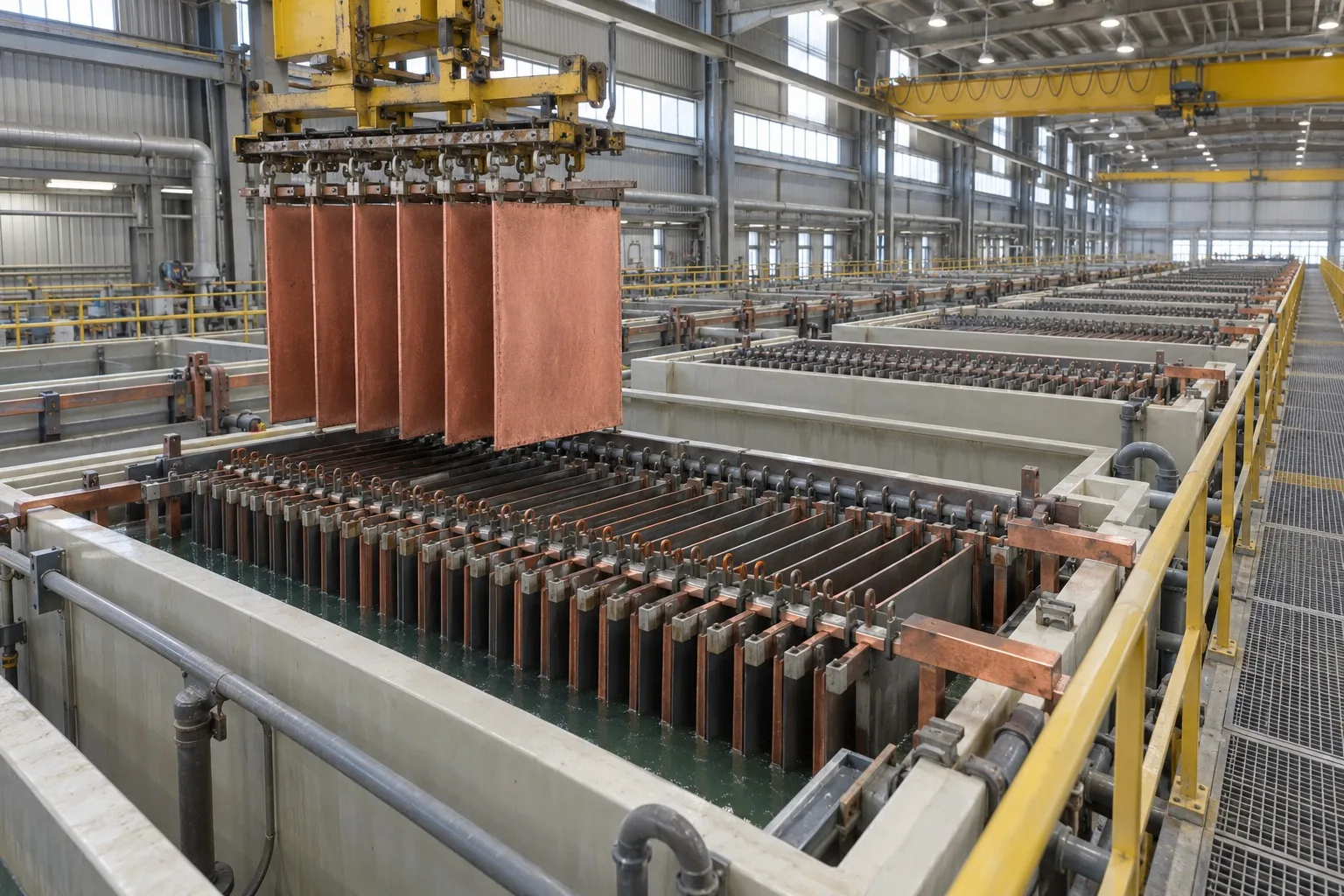
Specify the process route (gyratory crushing–SAG / HPGR / underground block caving / heap leaching) and the relevant process stage. Engineers use the selection matrix to assess materials, service life limitations and drawings:
Or contact us directly: +86 156 3797 3199
zzx@anranst.com
ANRANST provides customers worldwide with engineering assessment, production at certified foundries to the customer technical requirements, quality control and finished-part delivery for custom wear parts and industrial spares, with scope to support other custom industrial parts.
We review mating surfaces and interface dimensions and assess material, heat treatment and manufacturing feasibility.
Material grades and heat-treatment processes are specified order by order, stated in the technical agreement and tracked through production.
Drawing confirmation, material and process control, production tracking, inspection and acceptance coordination.
We coordinate manufacturing, quality confirmation, packaging and delivery of complete finished parts in a workable, closed-loop supply process.
Provide the equipment brand, complete model and serial number, part name, part number or drawing number, drawing revision, quantity, material requirements and duty. If identifiers are unavailable, send photographs and key dimensions.
Submit an Enquiry