Ball Mills

For semi-autogenous circuits, see SAG mill liners, feed-end and discharge components.

Key equipment for fine grinding and regrinding. Liner and media consumption strongly affect operating costs; rubber composite liners offer advantages in suitable low-impact zones.
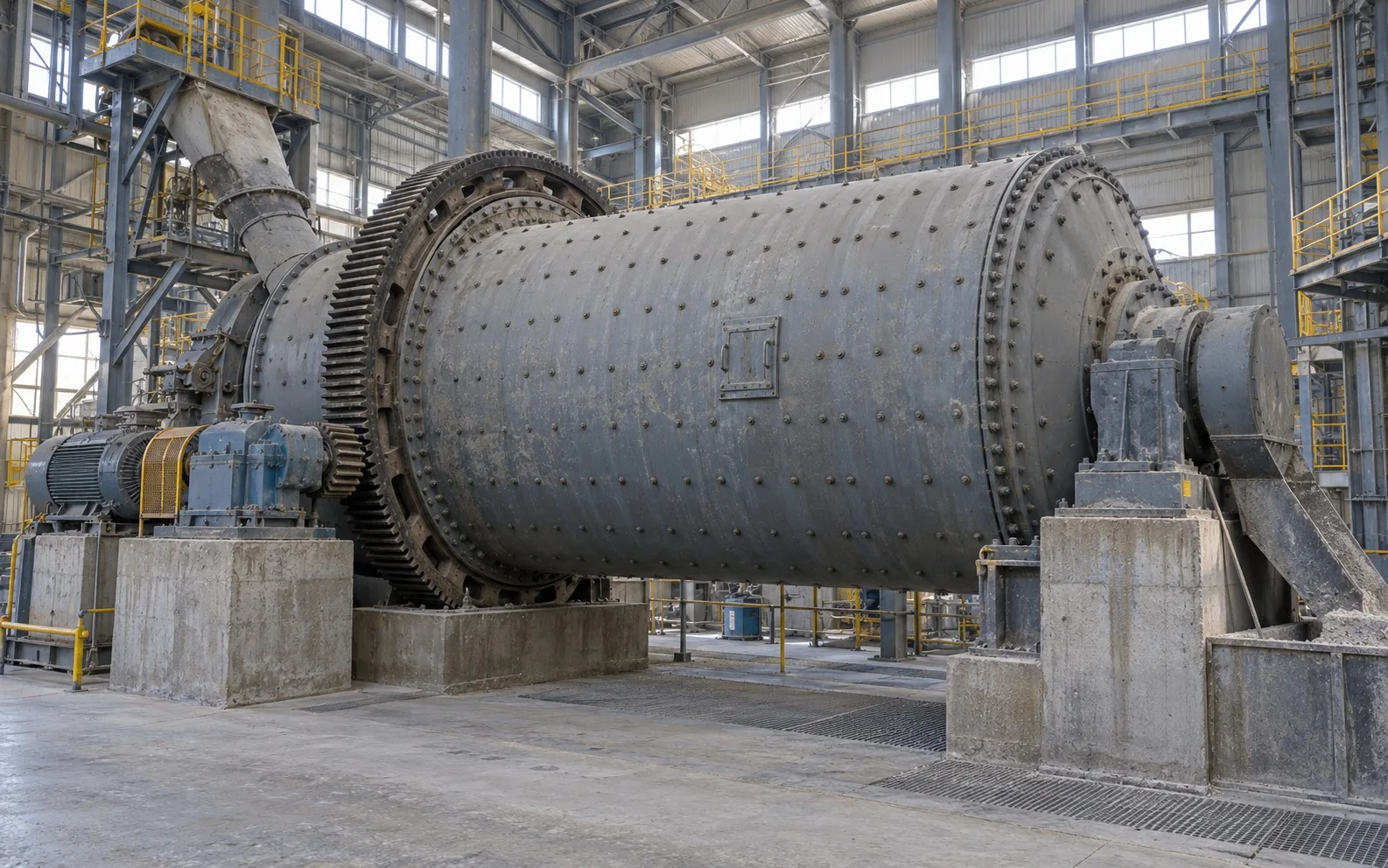
Ball Mills

Ball mills finely grind ore through the impact and rolling action of grinding balls inside a rotating shell. Wear parts are concentrated in the shell lining and feed and discharge systems and account for substantial consumable demand in grinding operations.

Equipment Parts

Part Identification and Technical Details

Explore part names, images, material options and technical requirements. Select a card to open the corresponding replacement part page.
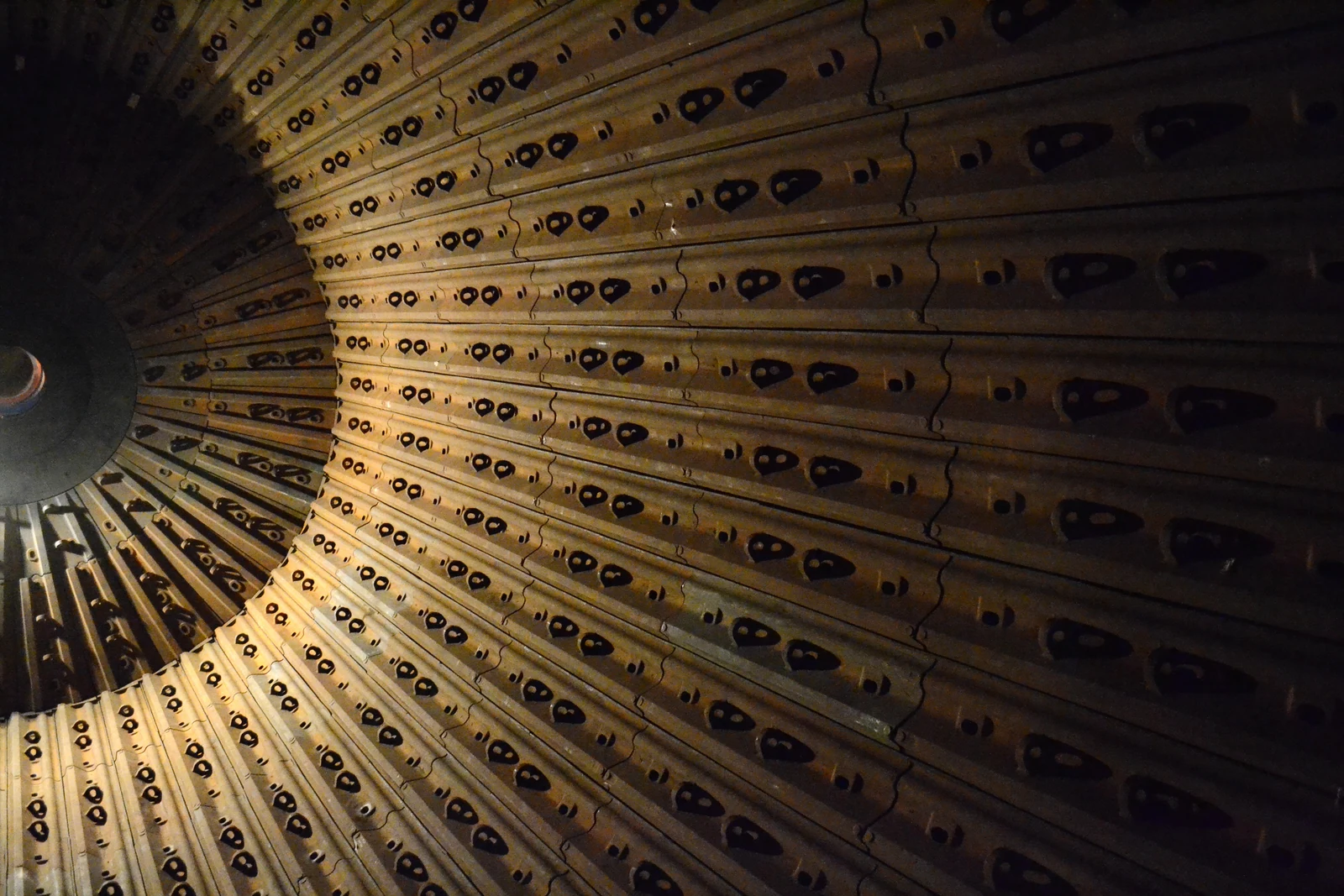
Individual parts

Individual and Maintenance Parts

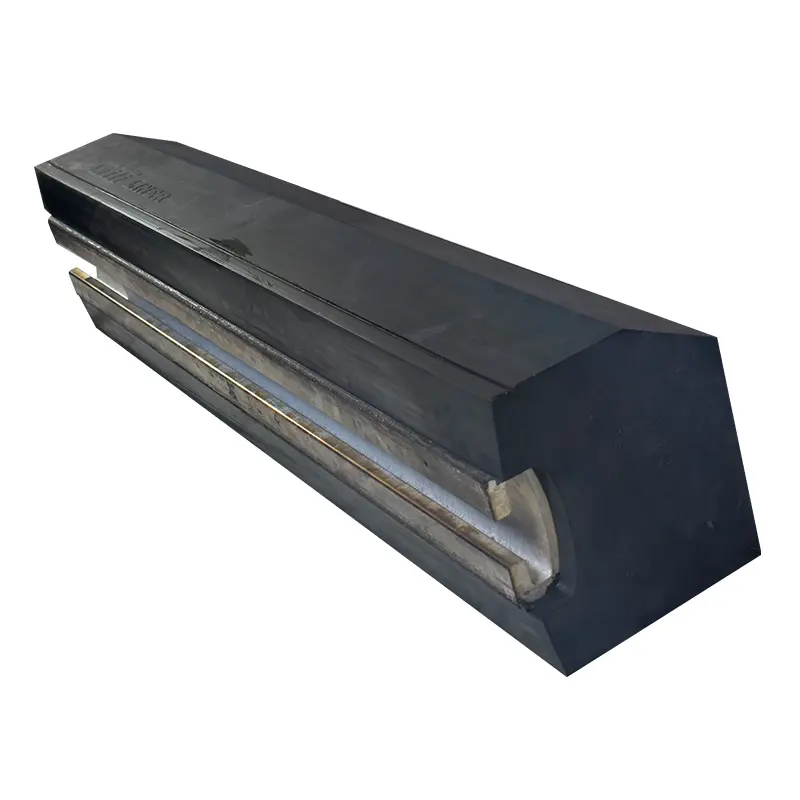
Ball Mill Shell Liners
01

Shell Liners

Shell Liner / Shell Plate

Material Options
Manganese steel / chromium-molybdenum alloy steel / rubber composite
Installation and Function
Protects the shell interior and lifts the grinding balls
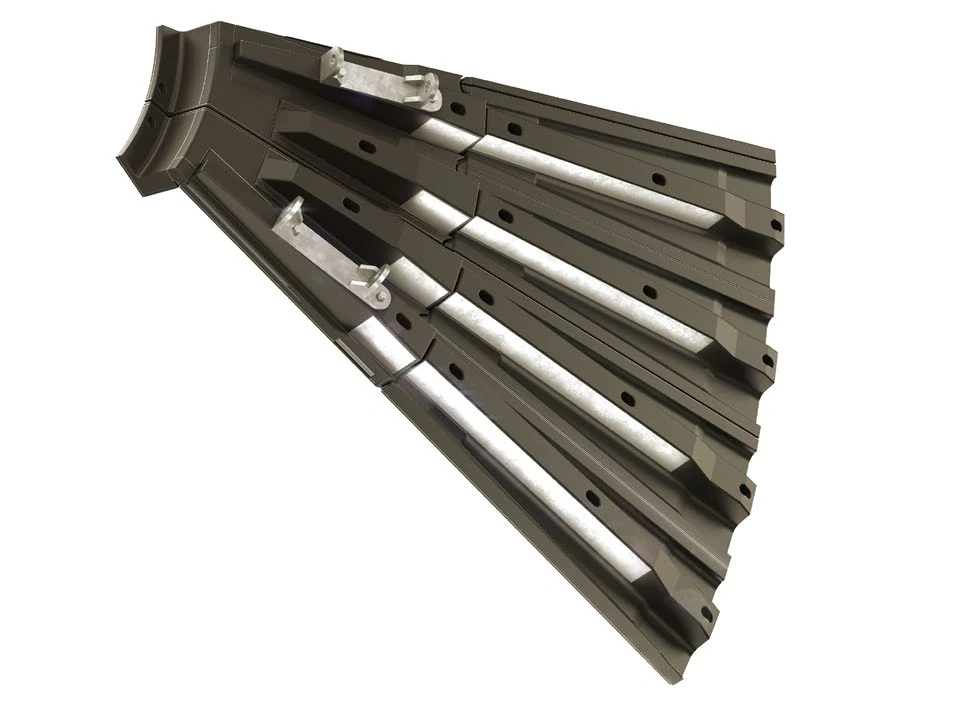
Ball Mill Lifter Bars and Plates
02

Lifter Bar / Lifter Plate

Lifter Bar / Lifter Plate

Material Options
Manganese steel / chromium-molybdenum alloy steel / rubber
Installation and Function
Lifts grinding balls to the required release height
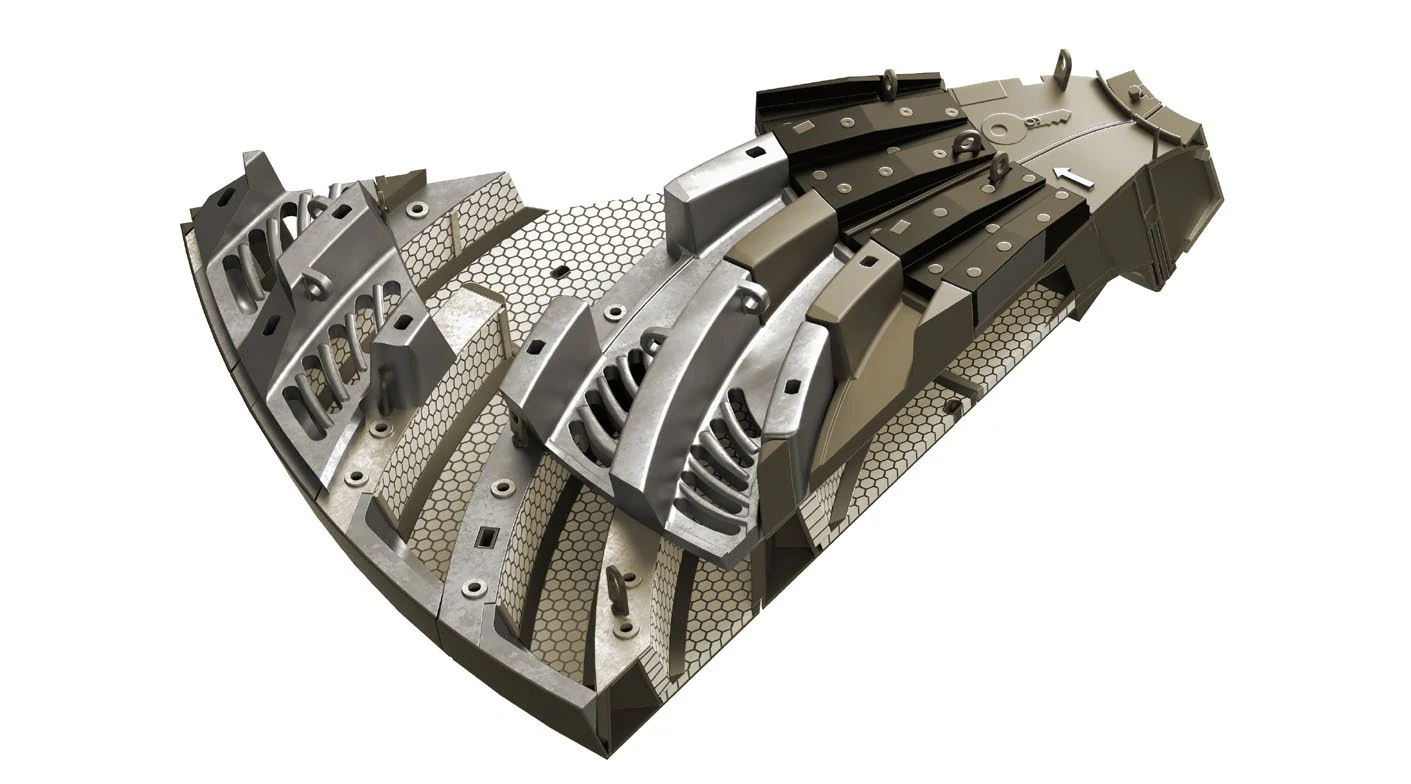
Head liner
03

Head liner

End Liner / Head Liner

Material Options
Manganese steel / chromium-molybdenum alloy steel
Installation and Function
Protects the inside of the mill head
04

Feed-End Liner

Feed End Liner / Inlet Liner

Material Options
Manganese steel / high-chromium cast iron
Installation and Function
Protects the feed end
Discharge grate / Grate plate
05

Discharge grate / Grate plate

Discharge Grate / Grate Plate

Material Options
Manganese steel / alloy steel
Installation and Function
Controls discharge particle size
Ball Mill Pulp Lifters
06

Pulp Lifters

Pulp Lifter / Discharge Lifter

Material Options
Manganese steel / rubber
Installation and Function
Lifts ground slurry to the discharge outlet
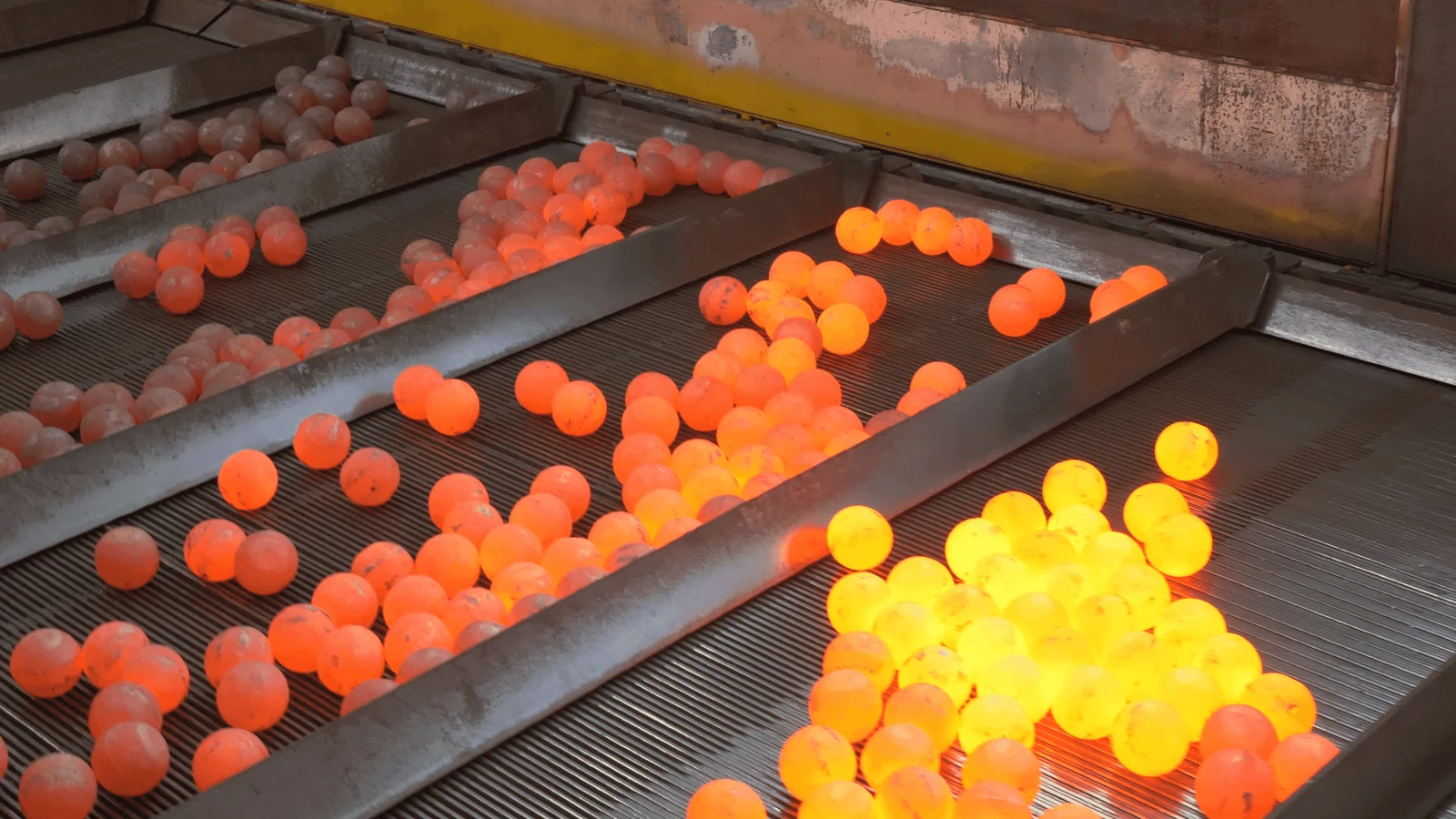
Steel Balls / Grinding Media
07

Steel Balls / Grinding Media

Grinding Balls / Steel Balls

Material Options
High-carbon steel / alloy steel / high-chromium cast iron
Installation and Function
Grinding media that directly break and grind the material
Maintenance Category
Very High
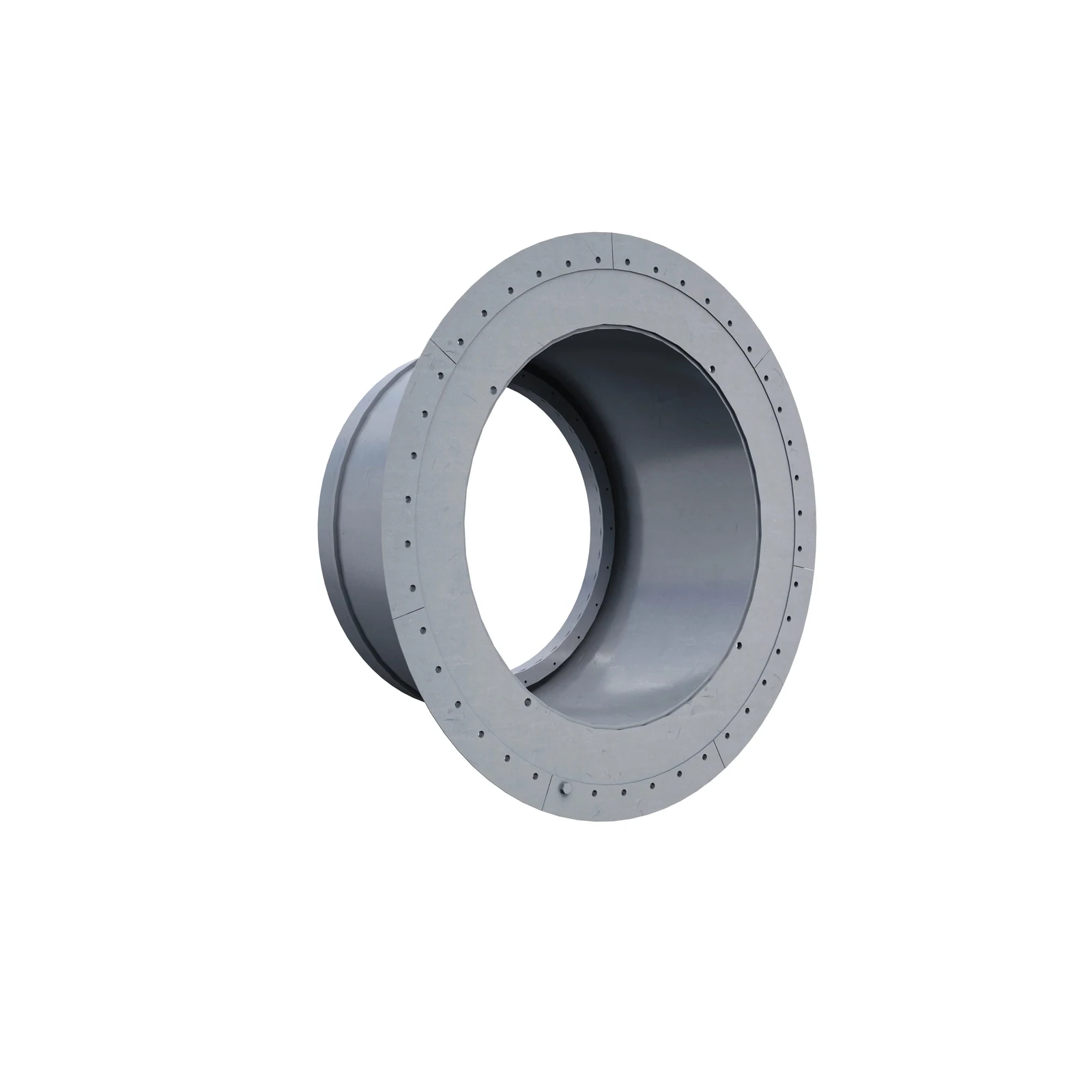
Ball Mill Trunnion Liners
08

Trunnion Liner

Mill Trunnion Liner

Material Options
Babbitt metal / copper alloy
Installation and Function
Protects the trunnion
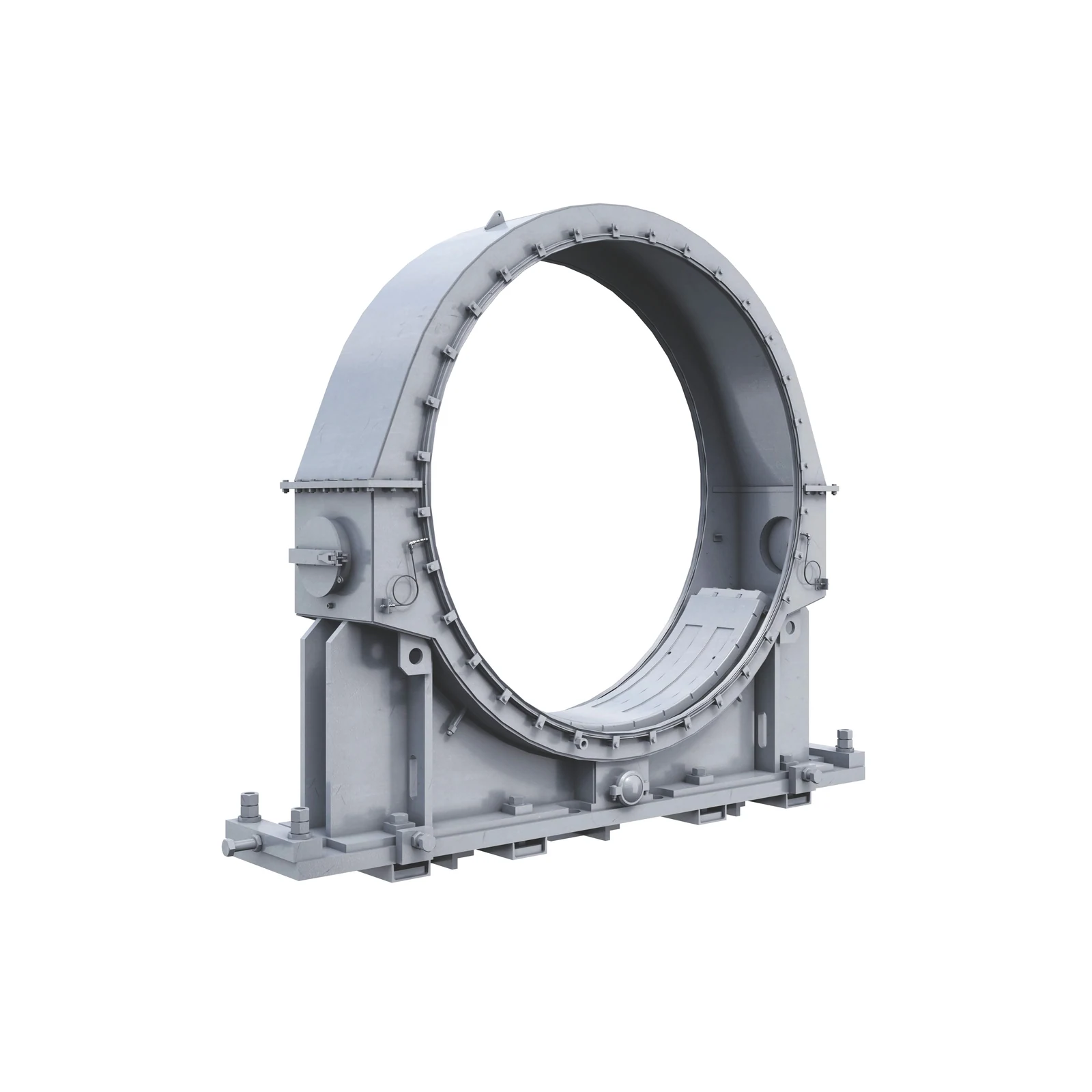
Ball Mill Main Bearings, Bearing Shells and Housings
09

Bearing Bush

Bearing Bushing / Trunnion Bushing

Material Options
Copper alloy / Babbitt metal
Installation and Function
Supports rotation of the mill shell
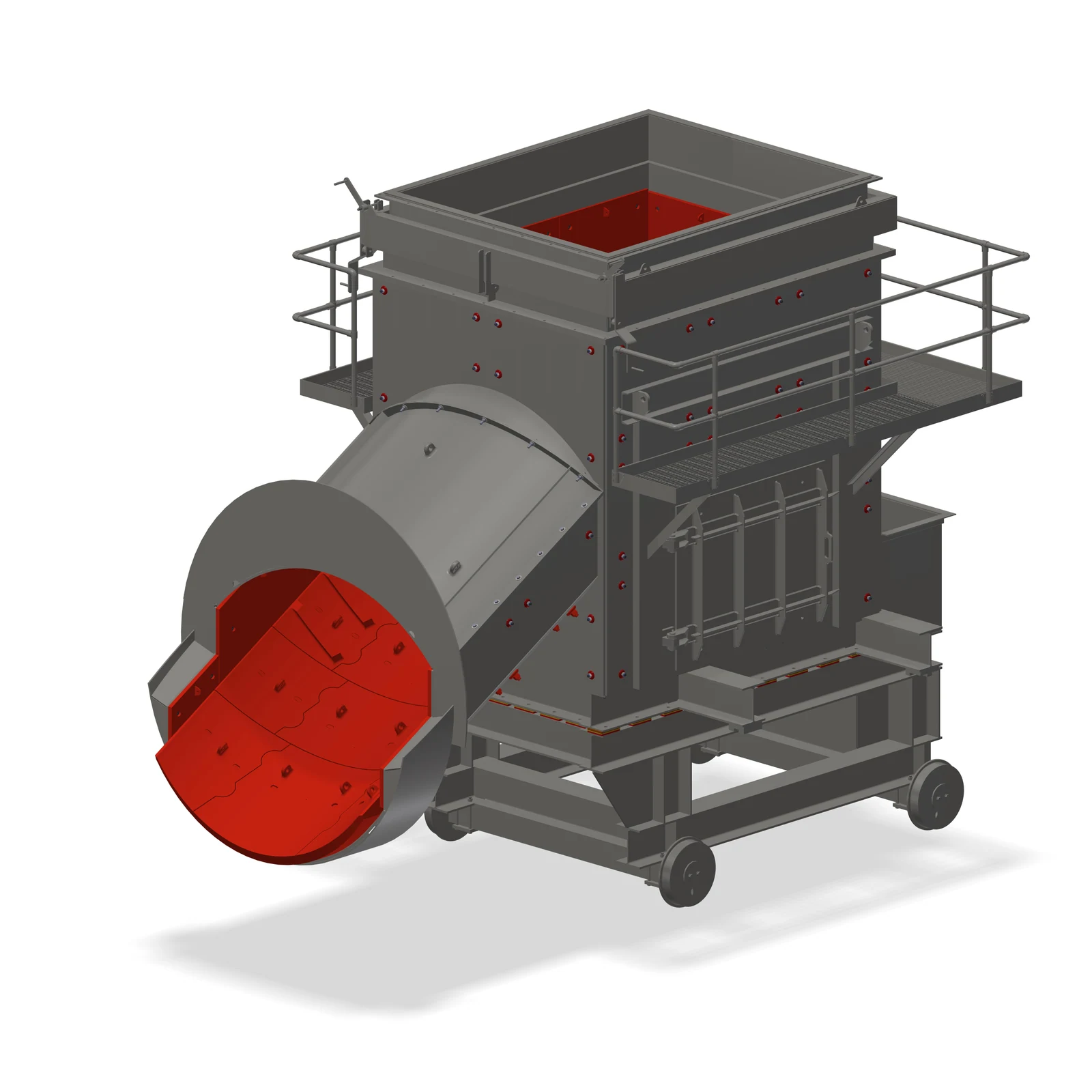
Feed Chute Liner
10

Feed Chute Liner

Feed Chute Liner

Material Options
Wear-resistant steel plate / high-chromium cast iron
Installation and Function
Protects the feed chute
11

Ore Discharge Chute Liner

Discharge Chute Liner

Material Options
Wear-resistant steel plate / rubber
Installation and Function
Protects the ore discharge chute

Materials for similarly named parts may differ by OEM, machine model and operating conditions. Confirm the machine model, drawing and measured dimensions before ordering or manufacture.

Material Information

  • Manganese steel (ZGMn13): a conventional liner material with impact-induced work hardening.
  • Chromium-molybdenum alloy steel (Cr-Mo Steel): a candidate for fine-grinding liners requiring hardness and wear resistance.
  • Rubber composite liners: noise reduction, corrosion resistance and easier handling during installation.
  • High-chromium cast iron balls (Cr10-28%): abrasion-resistant grinding media.
  • Forged steel balls: tough, impact-resistant grinding media.

Brand Applicability

Metso Outotec, FLSmidth, thyssenkrupp, CITIC Heavy Industries (CITIC HIC), Northern Heavy Industries

Industry Applications

Gold, copper and iron ore processing, cement clinker grinding, limestone grinding for power plant desulfurization, and fine grinding of industrial minerals

Materials for similarly named parts may differ by OEM, machine model and operating conditions. Confirm the machine model, drawing and measured dimensions before ordering or manufacture.
Engineering Selection Considerations

Ball Mill Wear Parts: From Machine Data to Manufacturing Requirements

Shell, feed-end, discharge-end, grate and diaphragm interfaces are specific to the installation. Drawings or measured part records provide the basis for replacement inquiries.

What information is needed for a ball mill liner inquiry?

Provide the installed mill model, serial number, liner location, part or drawing, dimensions, fastening arrangement, material requirements, processed material and operating conditions.

Why must the liner location be identified?

Shell, head, feed-end, discharge-end and diaphragm or grate parts have different structures and loads. The installation location determines the required drawings and material assessment.

Can an old drawing be used directly for manufacturing?

An old drawing can provide a starting point, but its revision and interfaces must be compared with the installed part before manufacturing.
Identification

Identification and Inquiry Checks

Identify shell, feed-end, discharge-end and flow-path liners separately. State wet/dry duty, overflow or grate discharge, mill dimensions, speed, ball charge, media size, slurry and fastening. Grates and discharge components apply only to matching designs; confirm materials, backing and fastening individually.

Identification FAQ

Does every ball-mill liner set include grates?

No. Identify the discharge design and installed configuration first.

Equipment Manufacturers and Series

Request a Ball Mill Wear Parts Proposal

Provide the machine model, operating conditions and target service life so our engineers can recommend materials and prepare a quotation.

Equipment Brand and ModelDrawingDrawing or DimensionsCurrent MaterialPhotographs of Failed PartsTarget Service LifeOperating Conditions
Request a Quote

Or contact us directly: +86 156 3797 3199
zzx@anranst.com

Manufacturing Services in China

From Technical Assessment to Finished-Part Delivery

ANRANST provides customers worldwide with engineering assessment, production at certified foundries to the customer technical requirements, quality control and finished-part delivery for custom wear parts and industrial spares, with scope to support other custom industrial parts.

01

Drawing and Engineering Review

We review mating surfaces and interface dimensions and assess material, heat treatment and manufacturing feasibility.

02

Material and Heat-Treatment Specification

Material grades and heat-treatment processes are specified order by order, stated in the technical agreement and tracked through production.

03

Quality Control

Drawing confirmation, material and process control, production tracking, inspection and acceptance coordination.

04

Finished-Part Delivery

We coordinate manufacturing, quality confirmation, packaging and delivery of complete finished parts in a workable, closed-loop supply process.

Provide the equipment brand, complete model and serial number, part name, part number or drawing number, drawing revision, quantity, material requirements and duty. If identifiers are unavailable, send photographs and key dimensions.

Submit an Enquiry