
01
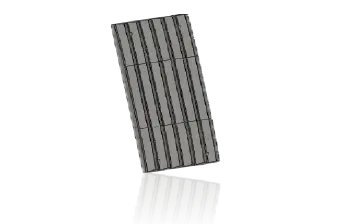
Fixed Jaw Plate
Fixed Jaw Plate
Mounted on the frame, it forms the chamber with the moving jaw. Check profile, orientation, ends, clamping positions, thickness, weight and chamber type.
View the Component Page →Use current CJ models to identify fixed and moving jaw plates, cheek plates, eccentric shafts, bearings, toggle plates, wedges, seals and documented OEM references for quotation.
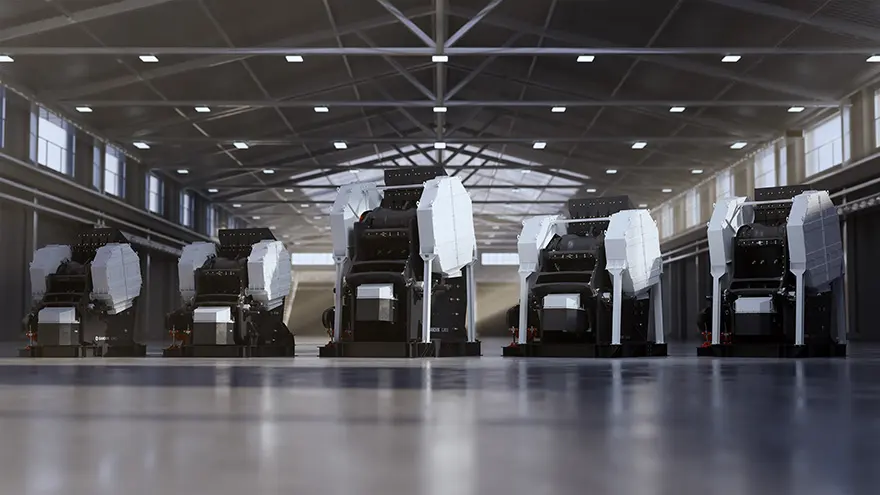
The model table follows Sandvik's current website. Wear parts are organized by chamber position and material performance; transmission and support parts are listed separately. Historical OEM references are published only where evidence links them to a specific model.
Feed openings, capacity and motor power come from Sandvik's current stationary jaw crusher pages. Capacity fields absent from the overview remain blank rather than estimated.
| Model | Feed Opening | Capacity | Motor Power |
|---|---|---|---|
| CJ815 | 1,500 × 1,300 mm | 480–1,160 t/h | 200 kW |
| CJ615 | 1,500 × 1,070 mm | 385–1,085 t/h | 200 kW |
| CJ613 | 1,300 × 1,130 mm | 330–960 t/h | 160 kW |
| CJ412 | 1,200 × 830 mm | 165–790 t/h | 132 kW |
| CJ411 | 1,045 × 840 mm | 150–565 t/h | 110 kW |
| CJ409 | 895 × 660 mm | — | 75 kW |
| CJ211 | 1,100 × 700 mm | — | 90 kW |
The numbers on the diagram correspond one to one with the rows below.
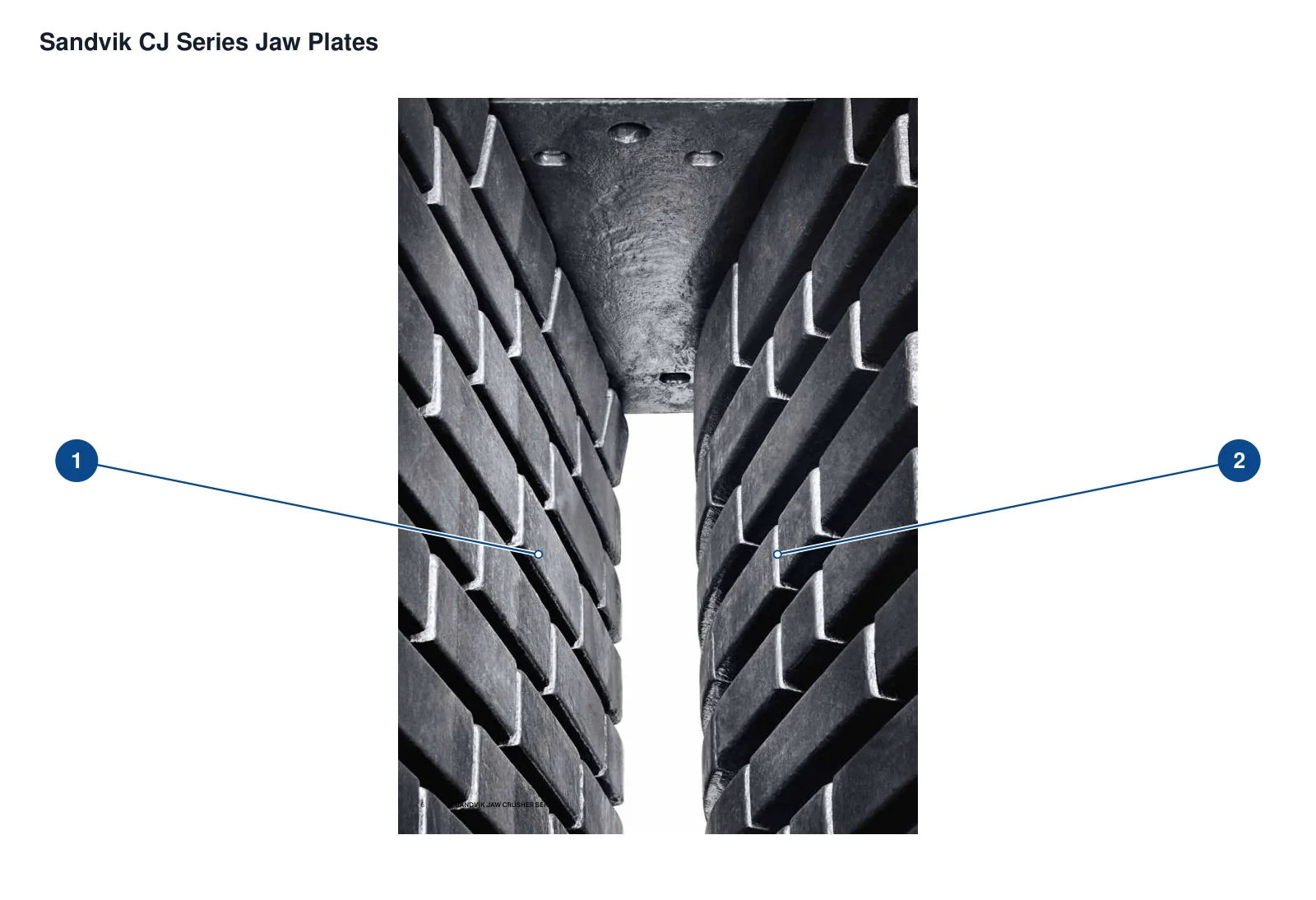
| No. | Component | Location | Applies to |
|---|---|---|---|
| 1 | Jaw plates | Visible toothed crushing face on the left | CJ OEM family view; two jaw working faces, dimensions not specified |
| 2 | Jaw plates | Visible toothed crushing face on the right | CJ OEM family view; two jaw working faces, dimensions not specified |
Identify jaws by fixed/moving side, tooth profile, chamber and material. Check cheek and structural protection plates by upper/lower position, side and installation location.
Fixed Jaw Plate
Mounted on the frame, it forms the chamber with the moving jaw. Check profile, orientation, ends, clamping positions, thickness, weight and chamber type.
View the Component Page →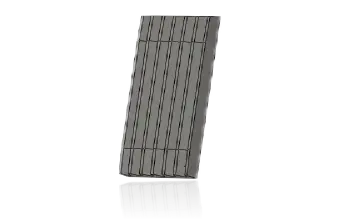
Movable / Swing Jaw Plate
Mounted on the moving jaw and driven eccentrically. Check profile, fixed end, segmentation, thickness, weight, tooth direction and pairing with the fixed plate.
View the Component Page →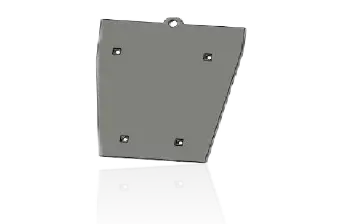
Upper Cheek Plate
Protects the upper frame sides against lateral impact and ore flow. Check side, holes, thickness, outline and clearance to jaw edges.
View the Component Page →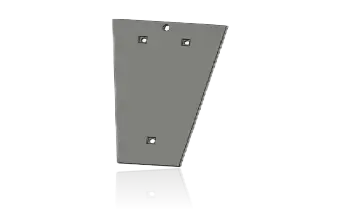
Lower Cheek Plate
Protects the lower frame near discharge. Check side, plate boundaries, holes, discharge position and local wear profile.
View the Component Page →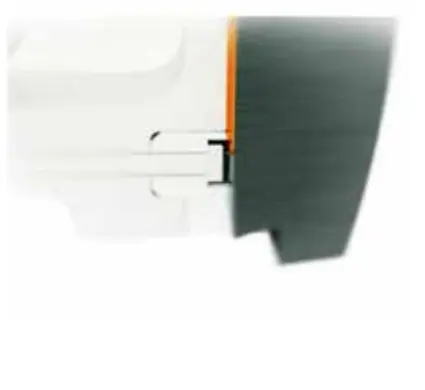
Pitman & Front Casting Protection Plate
Protect exposed moving-jaw and front-casting areas. Check position, shape, holes, movement clearance and overlap with other liners.
View the Component Page →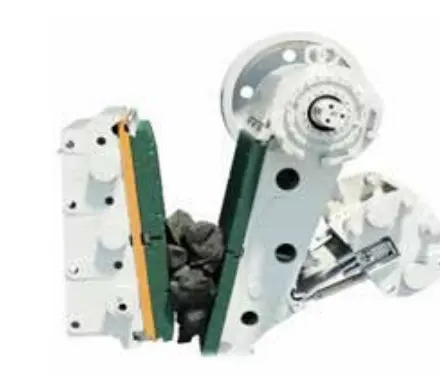
Intermediate Plate
Used in specific chambers or segmented jaw arrangements. Check model, segment order, tooth continuity, holes, thickness and matching upper/lower plates.
View the Component Page →Verify drive, structural, adjustment and sealing parts by full model, serial number, orientation, mating dimensions, clearances, lubrication and hydraulic interfaces.
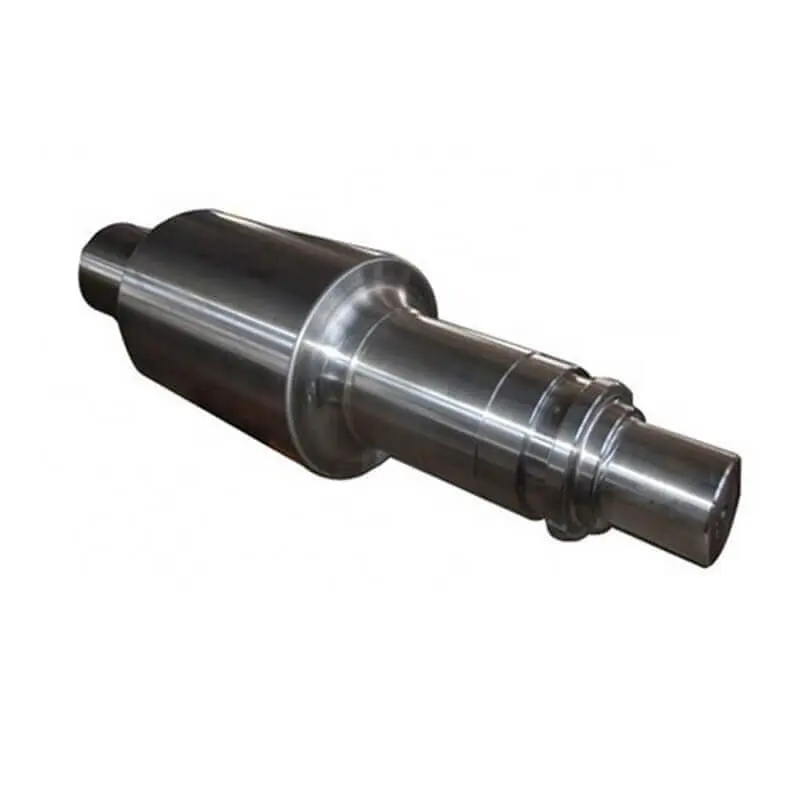
Eccentric Shaft
Drives the jaw's reciprocating motion. Check diameter, eccentricity, bearing seats, keyways, end connections, rotation, heat treatment and dynamic balance requirements.
View the Component Page →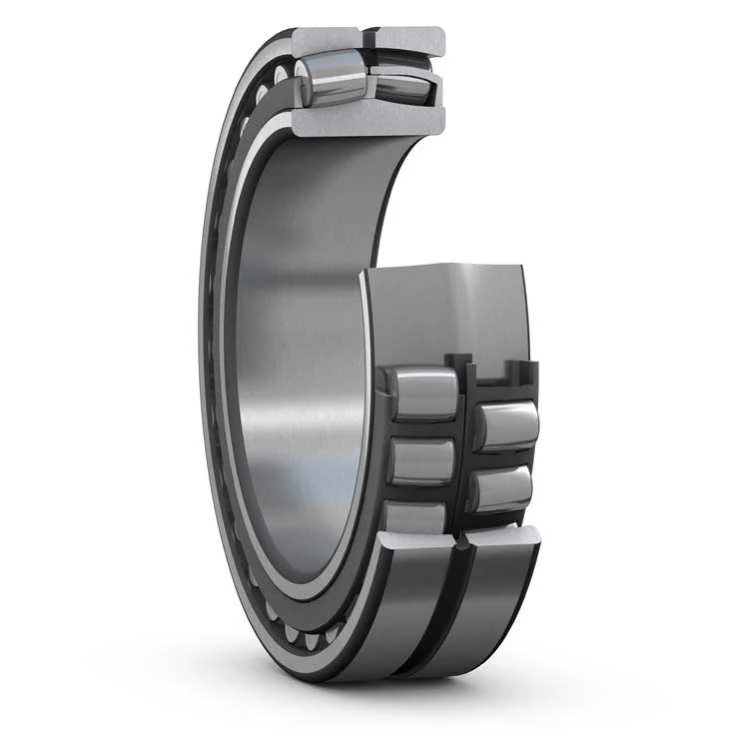
Spherical Roller Bearing
Support the eccentric shaft under impact and alternating loads. Check full designation, clearance, inner/outer ring fits, lubrication, seals and temperature monitoring.
View the Component Page →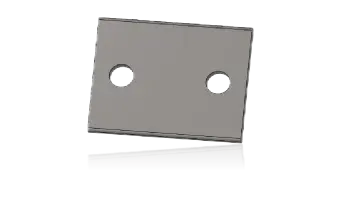
Toggle Plate
Transfers crushing force and contributes to overload protection. Check length, thickness, end profiles, orientation, seat fit and discharge adjustment range.
View the Component Page →Toggle Seat
The image identifies the toggle-system category. Check frame/jaw side, contact profile, width, locating features, lubrication and matching toggle plate.
View the Component Page →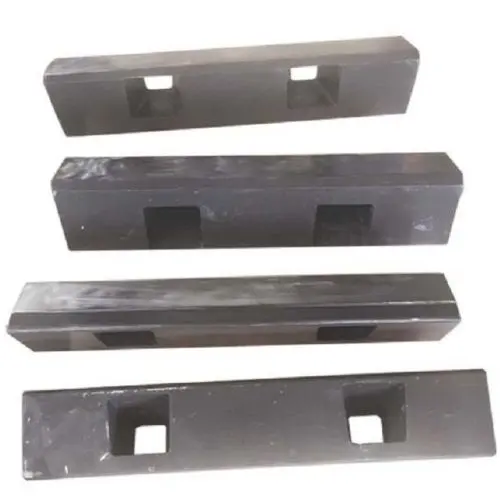
Jaw Die Clamping Wedge
Secure jaw plates in the chamber. Check upper/lower position, fixed/moving side, wedge angle, holes, bolts and contact faces.
View the Component Page →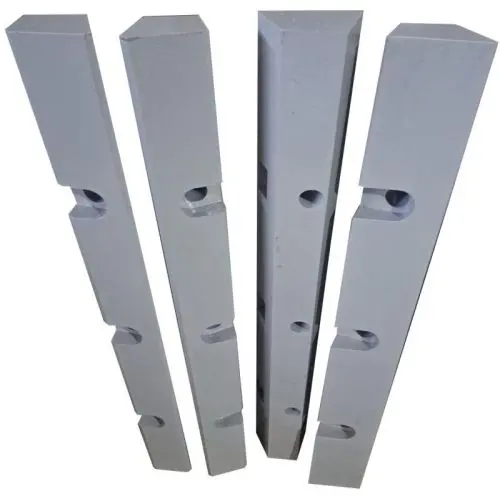
CSS Adjustment Wedge
Adjust the closed-side setting. Check wedge angle, travel, hydraulic/mechanical interfaces, side pairing, faces and permitted range.
View the Component Page →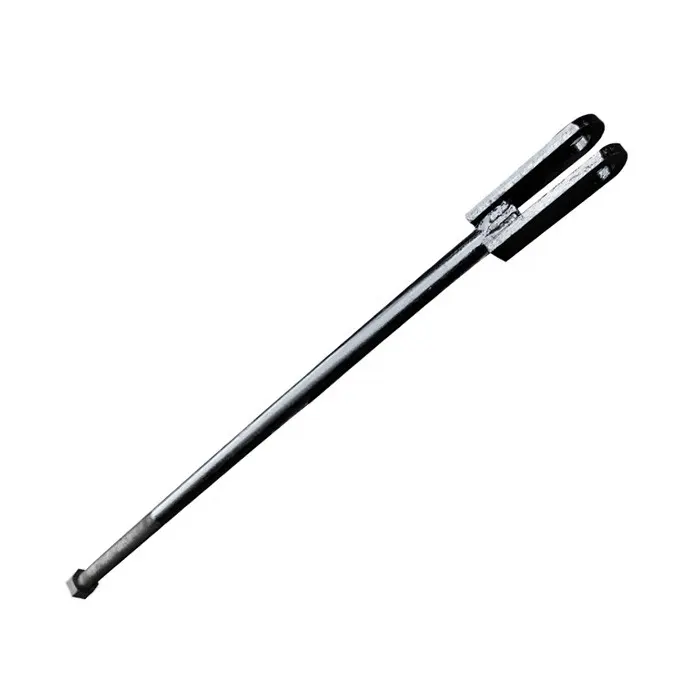
Tension Rod & Spring
Maintain the toggle system and jaw return. Check rod diameter, length, threads, spring outside diameter, free height, stiffness and preload.
View the Component Page →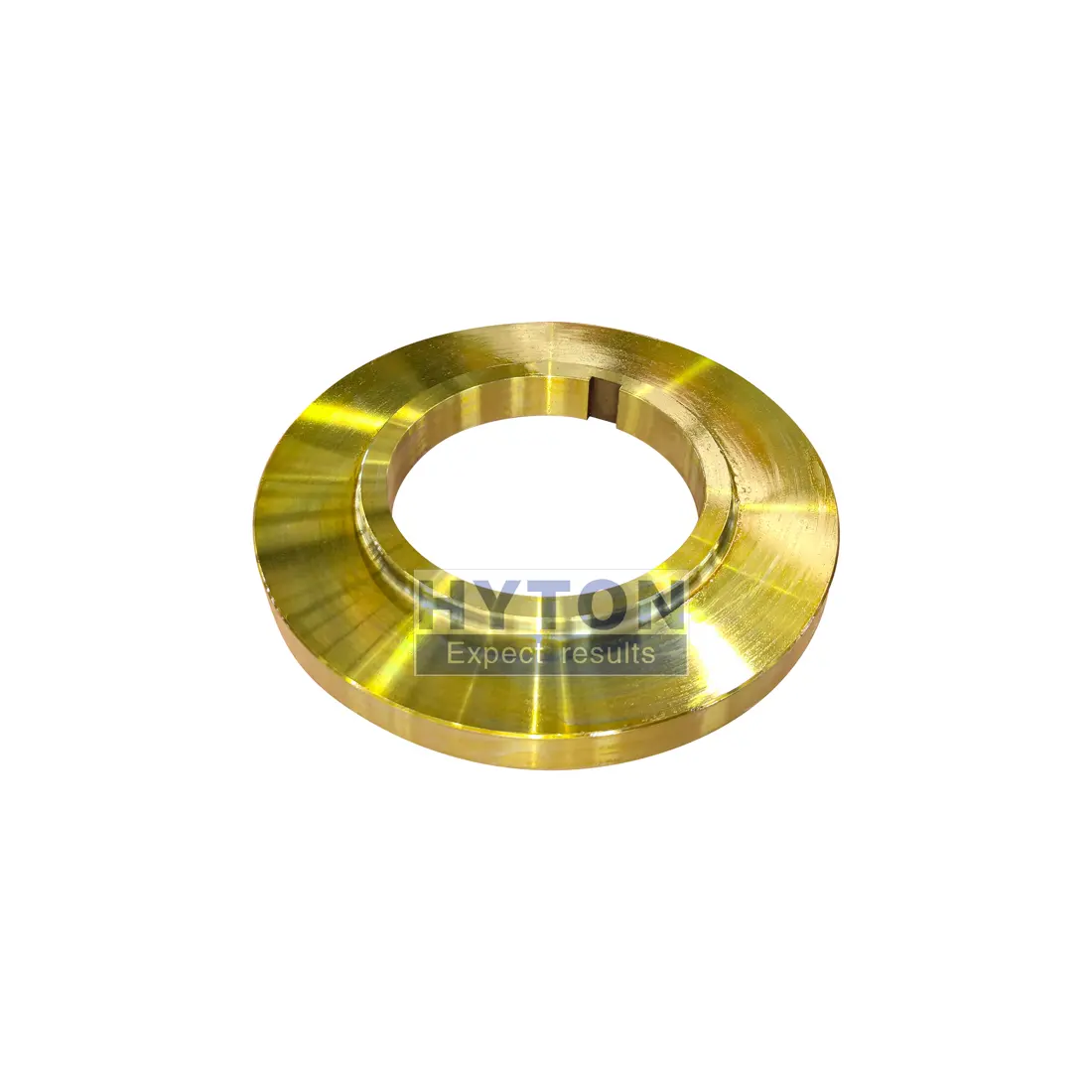
Labyrinth Dust Seal
Exclude dust from bearings. Check inner/outer ring design, shaft diameter, clearances, direction, lubrication and end-cover fit.
View the Component Page →No. Also check fixed/moving side, tooth profile, material suffix, segment position, drawing and revision.
No. OEM literature limits them to specific CC/HD arrangements. Verify impact, abrasion, feed and site targets.
No. CJ612 is a legacy/installed base model. Check the full CJ613 model, BOM, profile, drawings and dimensions separately.
Provide full model, serial number, fixed/moving side, profile, drawings or samples, used-part photographs, material and duty for identification, material assessment, quality control and delivery.
Or contact us directly: +86 156 3797 3199
zzx@anranst.com
ANRANST provides customers worldwide with engineering assessment, production at certified foundries to the customer technical requirements, quality control and finished-part delivery for custom wear parts and industrial spares, with scope to support other custom industrial parts.
We review mating surfaces and interface dimensions and assess material, heat treatment and manufacturing feasibility.
Material grades and heat-treatment processes are specified order by order, stated in the technical agreement and tracked through production.
Drawing confirmation, material and process control, production tracking, inspection and acceptance coordination.
We coordinate manufacturing, quality confirmation, packaging and delivery of complete finished parts in a workable, closed-loop supply process.
Provide the existing model, drawings, drawing, materials or operating conditions so we can identify the appropriate technical review and supply route.
Submit an Enquiry