Jaw Crushers

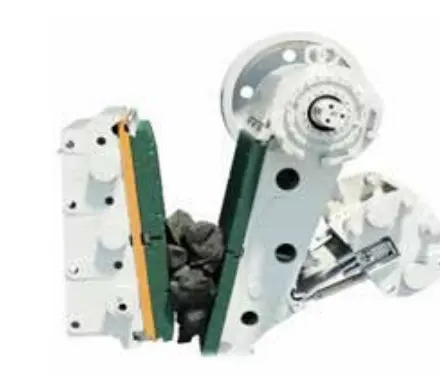
Used for primary and secondary crushing. Jaw plates compress the feed in repeated strokes; plate material and tooth profile are selected for the feed abrasiveness.
Jaw Crushers

Equipment Section View

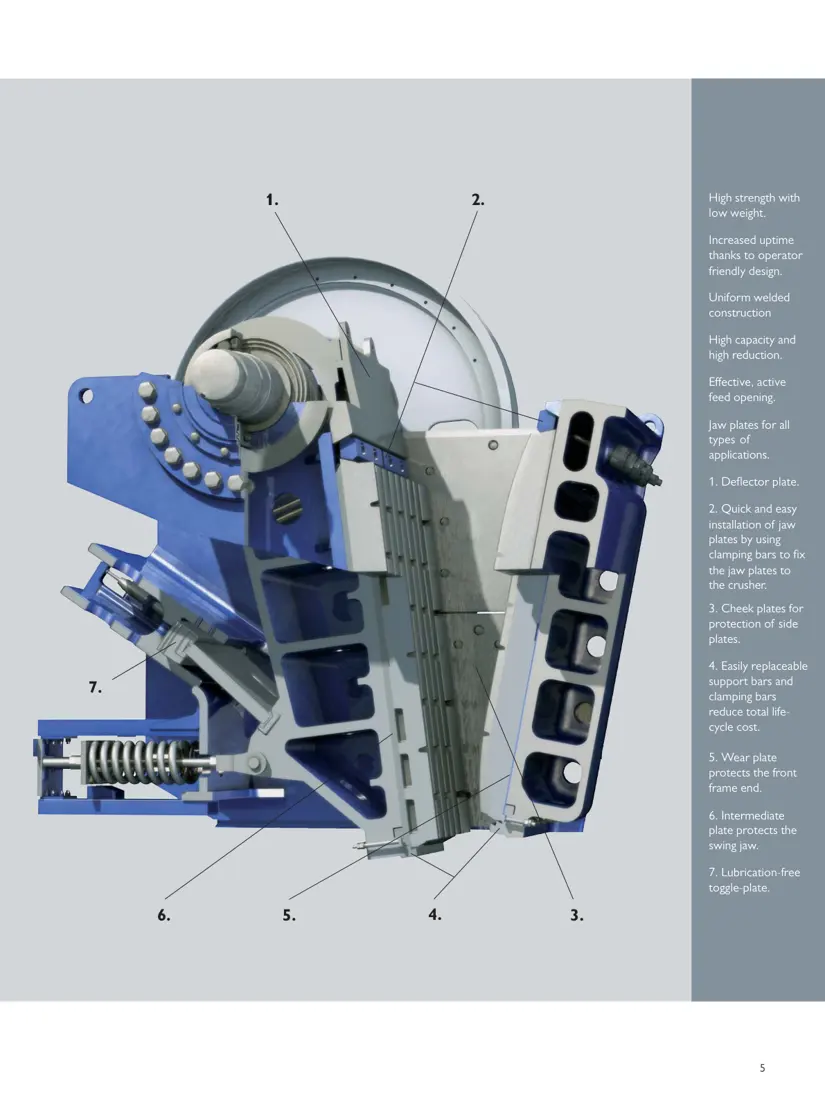
Sandvik Jaw Crusher Section and Part Locations

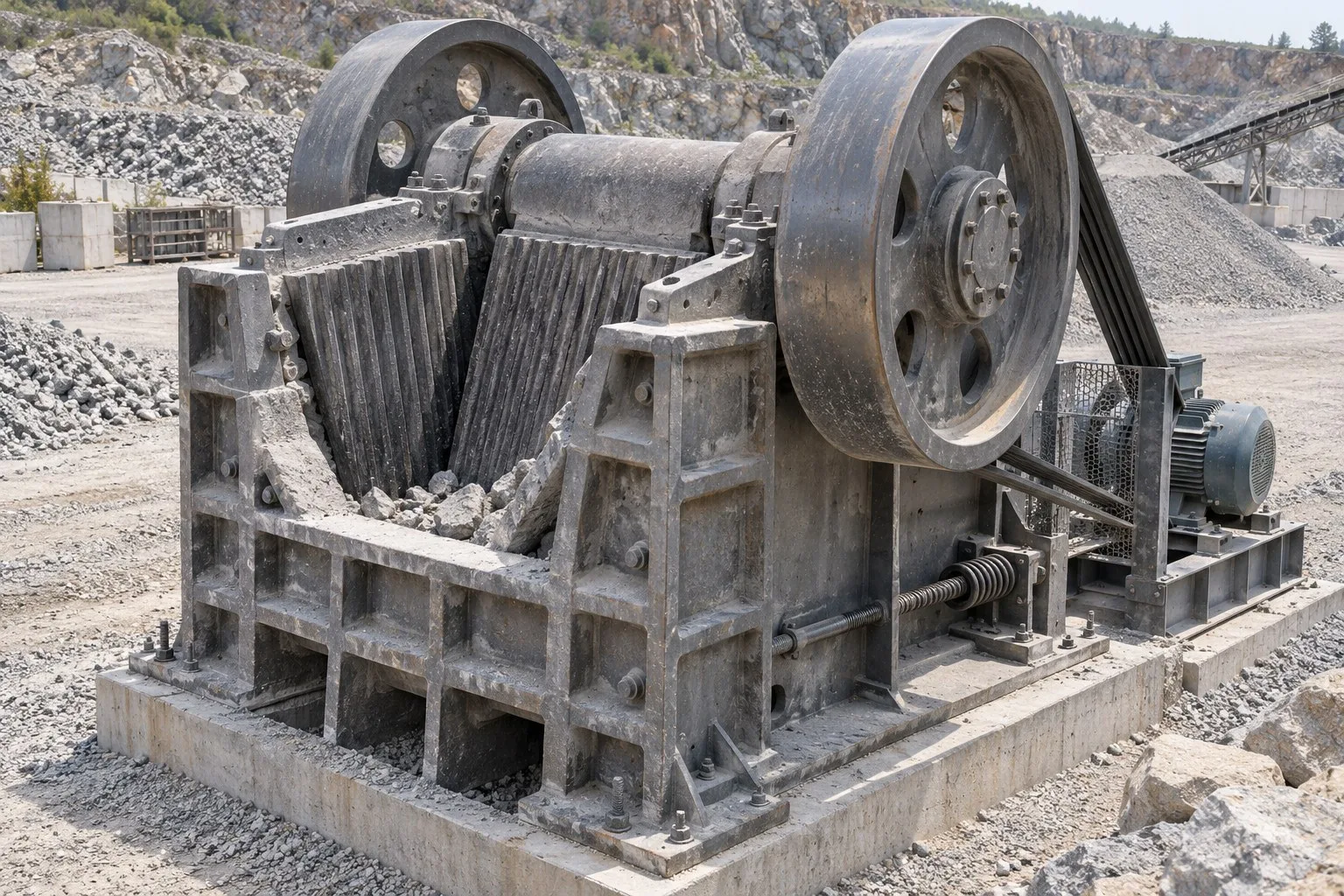
Jaw crushers reduce material by cyclic compression between a fixed jaw plate and a movable jaw plate. They commonly provide primary crushing in mines, quarries, aggregate plants and recycling operations, and may serve auxiliary or secondary duties in larger circuits. This page separates material-contact wear parts, protective parts and critical service parts into 16 individual product pages for identification and procurement.

Equipment Parts

Part Identification and Technical Details

Explore part names, images, material options and technical requirements. Select a card to open the corresponding replacement part page.
Major Components and Assemblies

Major Components and Assemblies

Individual and Maintenance Parts

Individual and Maintenance Parts

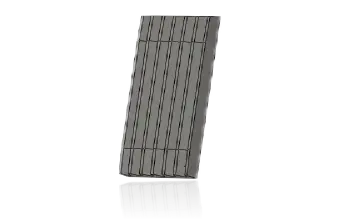
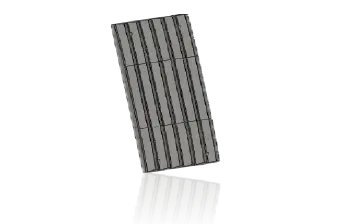
Fixed Jaw Plates
01

Fixed Jaw Plates

Fixed Jaw Plate

Material Options
ZGMn13Cr2 / ZGMn18Cr2 Manganese Steel
Installation and Function
Compresses material against the movable jaw plate
Maintenance Category
High
Movable Jaw Plate
02

Movable Jaw Plate

Movable / Swing Jaw Plate

Material Options
ZGMn13Cr2 / ZGMn18Cr2 Manganese Steel
Installation and Function
Moves reciprocally to form the crushing chamber with the fixed jaw plate
Maintenance Category
High
Upper Cheek Plates
03

Upper Cheek Plates

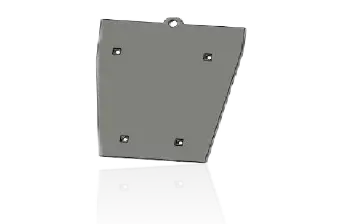
Upper Cheek Plate

Material Options
Manganese steel or grade 400–500 quenched and tempered abrasion-resistant steel
Installation and Function
Protects the upper sidewalls of the crushing chamber
Maintenance Category
ZH
Lower Cheek Plates
04

Lower Cheek Plates

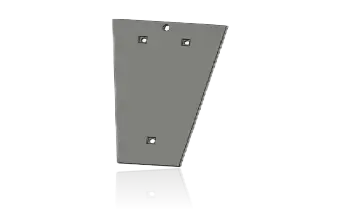
Lower Cheek Plate

Material Options
Manganese steel or grade 400–500 quenched and tempered abrasion-resistant steel
Installation and Function
Protects the lower chamber sidewalls; generally wears faster than the upper cheek plates
Maintenance Category
Medium–High
05
05

Feed Guide Plates

Deflector Plate

Material Options
Manganese steel, abrasion-resistant cast steel, or quenched and tempered abrasion-resistant steel
Installation and Function
Absorbs feed impact and protects the top of the pitman
Maintenance Category
ZH
Intermediate Plates
06

Intermediate Plates

Intermediate Plate

Material Options
Abrasion-resistant steel plate or manganese steel specified by the OEM
Installation and Function
Changes the crushing chamber geometry; installation position and available configurations depend on the crusher model.
Maintenance Category
Low–Medium
Pitman and front casting protection plates
07

Pitman and front casting protection plates

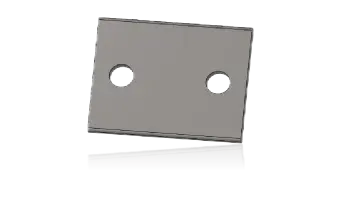
Pitman and Front Casting Protection Plate
Material Options
Abrasion-resistant steel plate specified by the OEM
Installation and Function
Protects the pitman and front-end casting from material abrasion
Maintenance Category
ZH
Toggle Plates
08

Toggle Plates

Toggle Plate

Material Options
Cast steel or quenched and tempered alloy steel, designed for the OEM-specified fracture or buckling load
Installation and Function
Transmits crushing force and provides mechanical overload protection
Maintenance Category
Low
09
09

Toggle Seats

Toggle Seat

Material Options
Quenched and tempered alloy steel or abrasion-resistant cast steel
Installation and Function
Supports both ends of the toggle plate while allowing slight rocking movement
Maintenance Category
Low–Medium
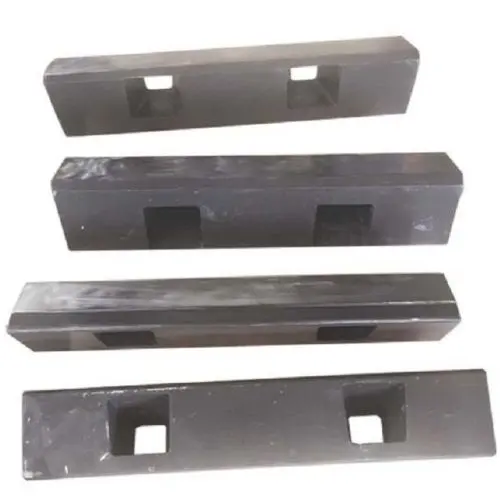
Jaw-Plate Clamping Wedges
10

Jaw-Plate Clamping Wedges

Jaw Die Clamping Wedge

Material Options
Quenched and tempered alloy steel
Installation and Function
Clamps the jaw plate securely to the frame or pitman
Maintenance Category
Low
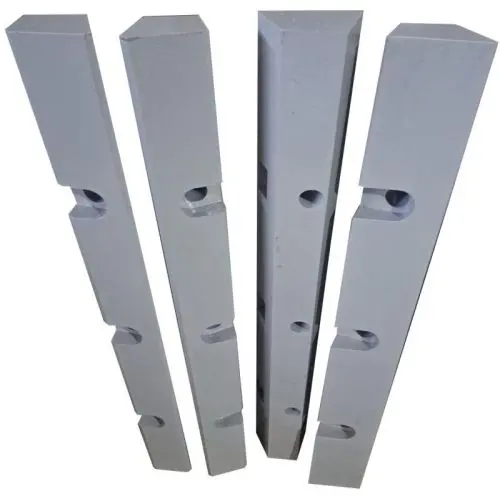
Discharge-Setting Wedges
11

Discharge-Setting Wedges

CSS Adjustment Wedge

Material Options
Quenched and tempered alloy steel
Installation and Function
Adjusts and locks the closed side setting (CSS)
Maintenance Category
Low
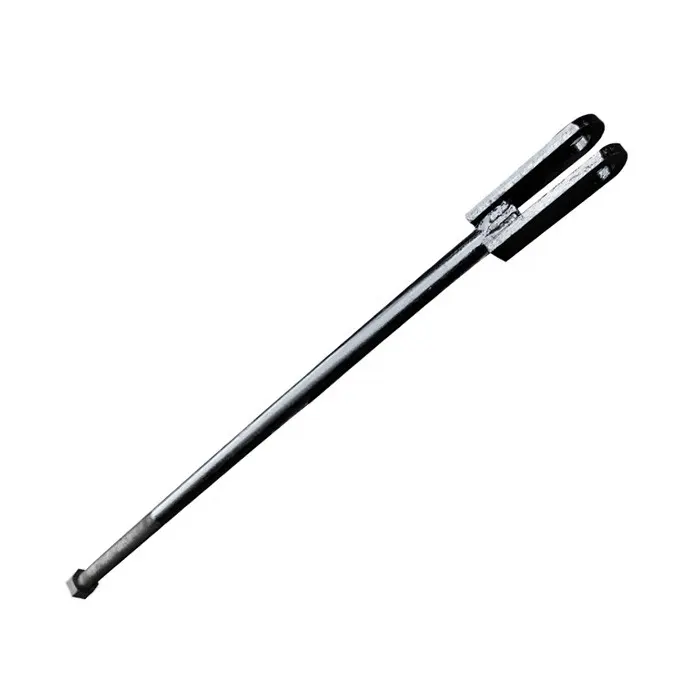
Tension Rods
12

Tension Rods

Tension Rod

Material Options
Quenched and tempered 40Cr / 42CrMo steel
Installation and Function
Maintains toggle mechanism preload and prevents unseating
Maintenance Category
Low
Tension Springs
13

Tension Springs

Tension Spring

Material Options
Spring steel such as 60Si2Mn
Installation and Function
Provides continuous preload for the tension rod and toggle mechanism
Maintenance Category
Low
Eccentric Shafts
14

Eccentric Shafts

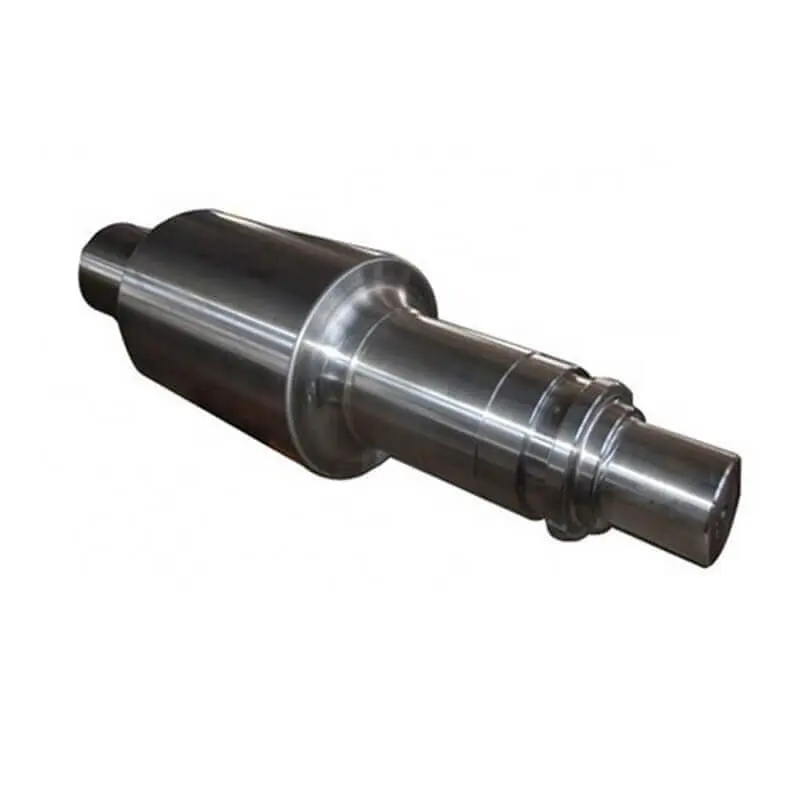
Eccentric Shaft

Material Options
Forged, quenched and tempered steels such as 42CrMo or AISI 4140/4340
Installation and Function
Drives the pitman motion while carrying alternating bending and torsional loads
Maintenance Category
Low
Spherical Roller Bearings
15

Spherical Roller Bearings

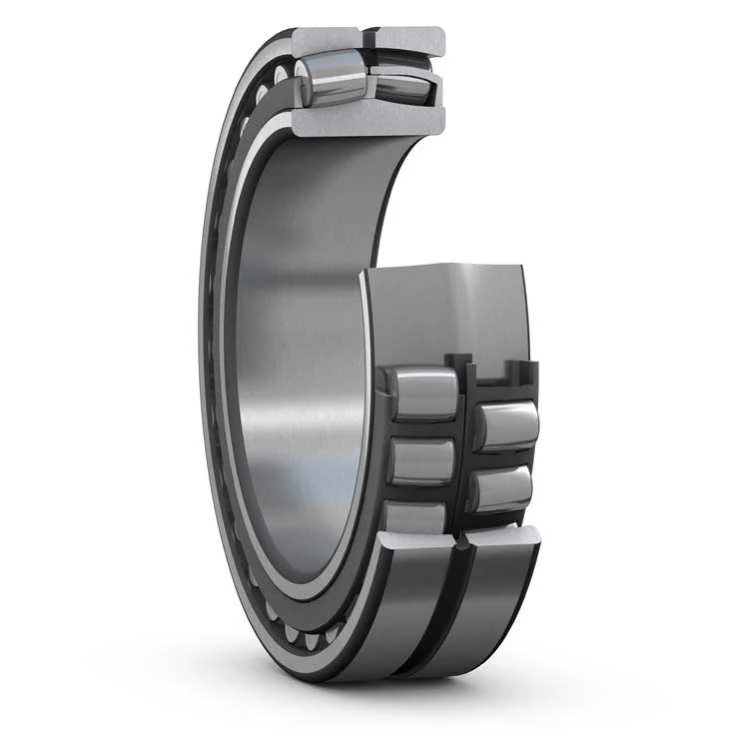
Spherical Roller Bearing

Material Options
High-cleanliness bearing steels such as GCr15 / 100Cr6
Installation and Function
Supports the eccentric shaft and accommodates limited misalignment
Maintenance Category
Low
Labyrinth Seal Rings
16

Labyrinth Seal Rings

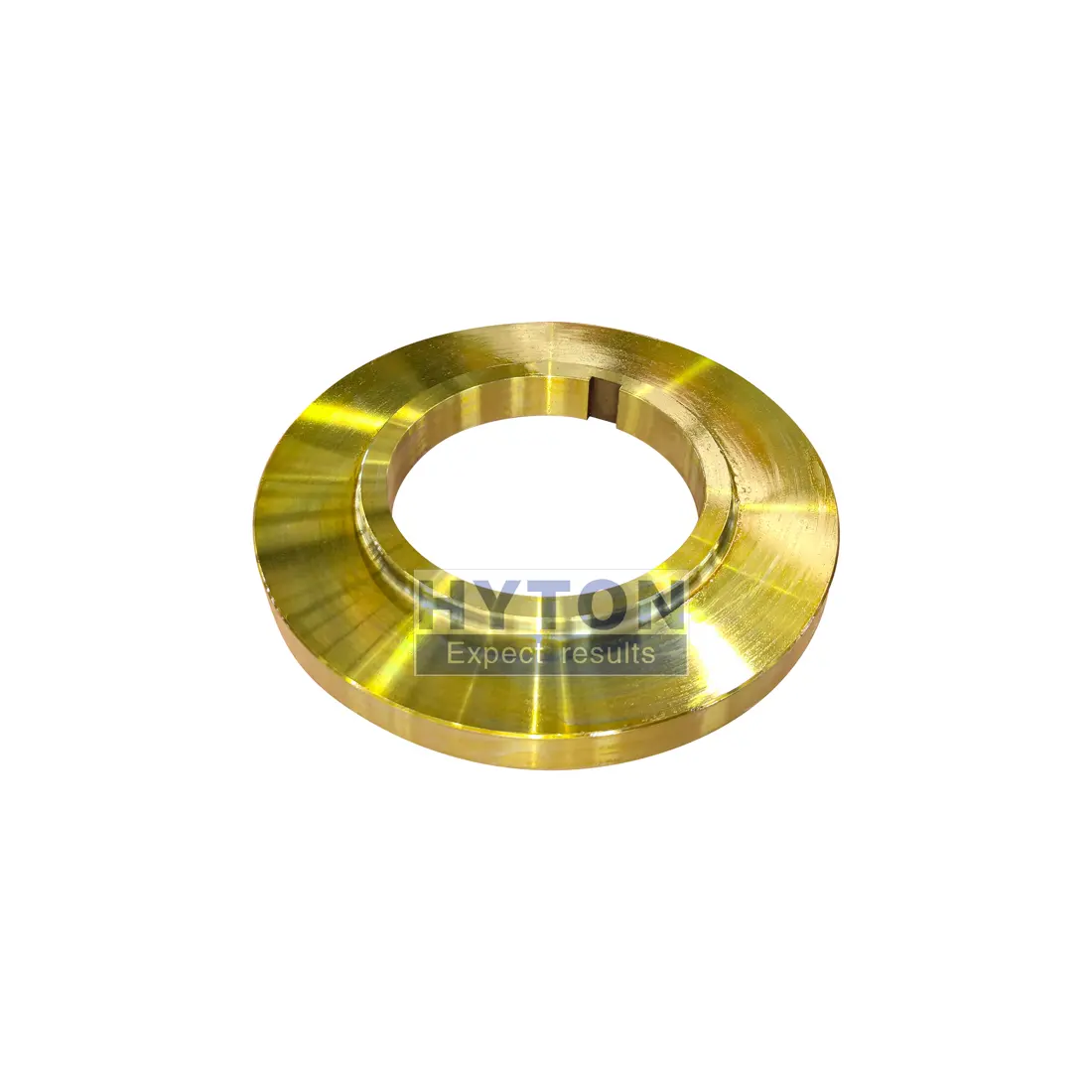
Labyrinth Dust Seal

Material Options
Cast steel, ductile iron, bronze or material specified by the OEM
Installation and Function
Excludes dust from the bearing housing and works with grease to provide sealing
Maintenance Category
Low–Medium

Materials for similarly named parts may differ by OEM, machine model and operating conditions. Confirm the machine model, OEM drawing number and measured dimensions before ordering or manufacture.

Material Information

  • Manganese steel jaw plates: selection depends on the solution-treated microstructure, impact toughness and ability to work-harden in service, rather than simply maximizing delivery hardness. Choose Mn13, Mn18 or Mn22 for the rock strength, abrasiveness, feed size, moisture and clay content, and chamber profile. Composition limits and heat-treatment condition must follow the OEM drawing and order specification.
  • Cheek and protection plates may use manganese steel or grade 400, 450 or 500 quenched and tempered abrasion-resistant steel. Prioritize toughness under heavy impact from large feed. Higher plate hardness may be suitable for stable sliding abrasion.
  • Toggle plates transmit force and act as a mechanical safeguard. Preserve the OEM-specified fracture, buckling or release characteristics. Substituting a stronger material merely to extend life can expose the frame, eccentric shaft or bearings to overload damage.
  • Tension rods, wedges and eccentric shafts carry static and cyclic loads. Beyond the material grade, review heat-treated hardness, tensile and yield strength, impact energy, nondestructive inspection, fillet transitions and surface defects.
  • Bearings and labyrinth seals: bearing life depends strongly on cleanliness, internal clearance, fits, tolerances, lubrication and sealing. Labyrinth rings require controlled concentricity, clearances and freedom from rubbing; hardness alone does not define quality.

Brand Applicability

C Series (Metso), PE/PEX series (Chinese equipment), CJ and legacy JM series (Sandvik), and Lokotrack LT mobile crushing equipment (Metso).

Industry Applications

Gold, copper and iron ore mining; quarrying; aggregate production; construction waste recycling; and cement raw material crushing

Materials for similarly named parts may differ by OEM, machine model and operating conditions. Confirm the machine model, OEM drawing number and measured dimensions before ordering or manufacture.

Equipment Manufacturers and Series

Request a Jaw Crusher Wear Parts Proposal

Provide the machine model, operating conditions and target service life so our engineers can recommend materials and prepare a quotation.

Send Operating Details for a Quote

Or contact us directly: +86 156 3797 3199
zzx@anranst.com

Manufacturing Services in China

From Technical Assessment to Finished-Part Delivery

ANRANST provides customers worldwide with coordinated consulting, supplier sourcing, quality control and finished-part delivery for custom parts, wear parts and industrial spares from China, with scope to support other custom industrial parts.

01

Technical Advice

Equipment and part identification, drawing review, material selection and manufacturing feasibility assessment.

02

Supplier Introductions

Match requirements with suitable manufacturers in China and coordinate the exchange of technical information.

03

Quality Control

Drawing confirmation, material and process control, production tracking, inspection and acceptance coordination.

04

Finished-Part Delivery

Coordinate manufacturing, quality confirmation, packaging and delivery of complete finished parts.

Provide the existing model, drawings, drawing or part numbers, materials or operating conditions so we can identify the appropriate technical review and supply route.

Submit an Enquiry