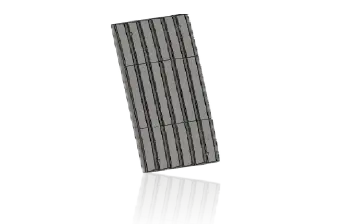
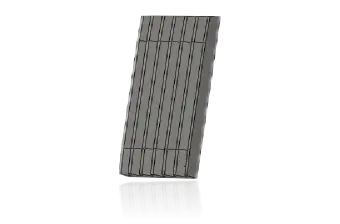
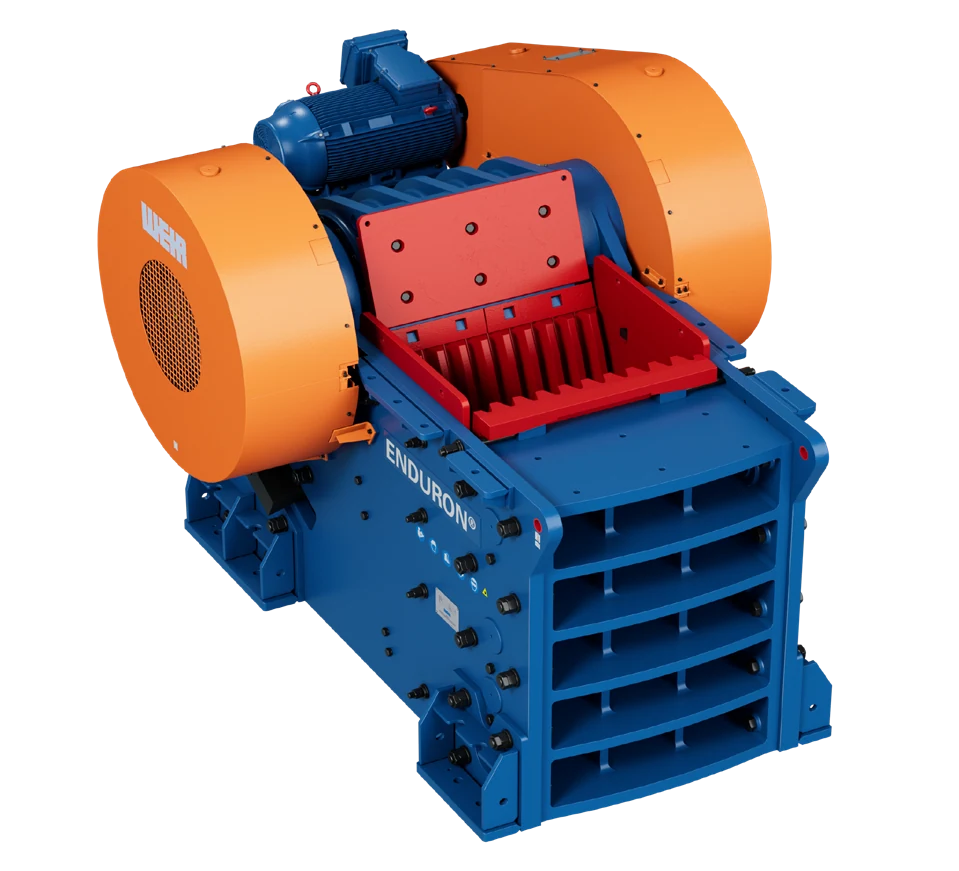
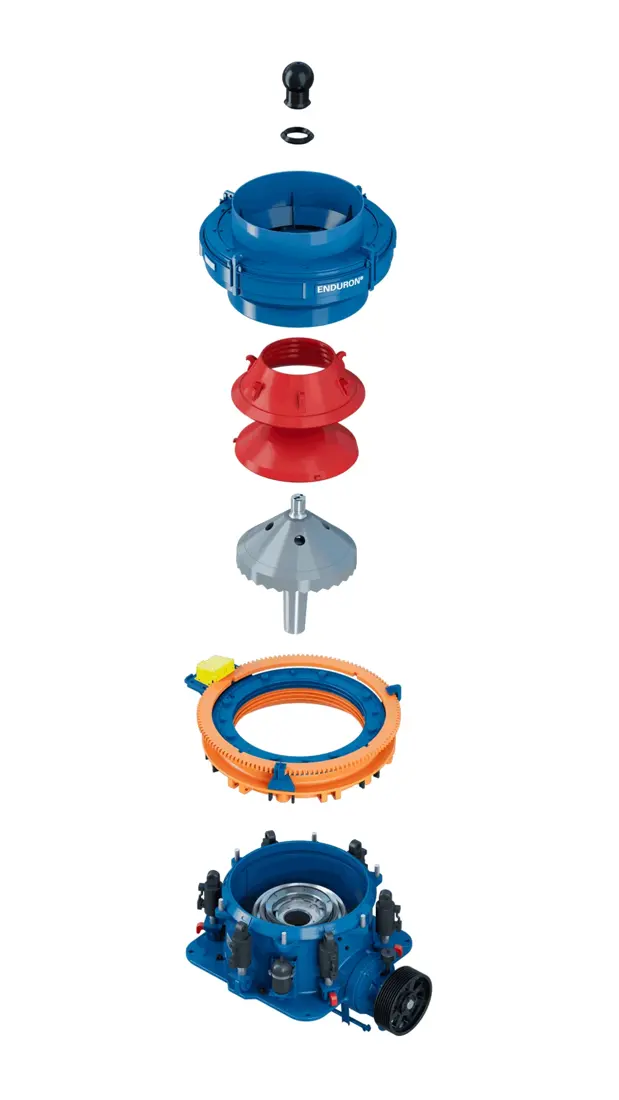
ET Fixed Jaw Plate
ET Fixed Jaw Die
Mounted on the front frame to form the stationary crushing face. Check the ET model, tooth profile, thickness, hole positions, orientation, wear allowance and matching moving jaw plate.
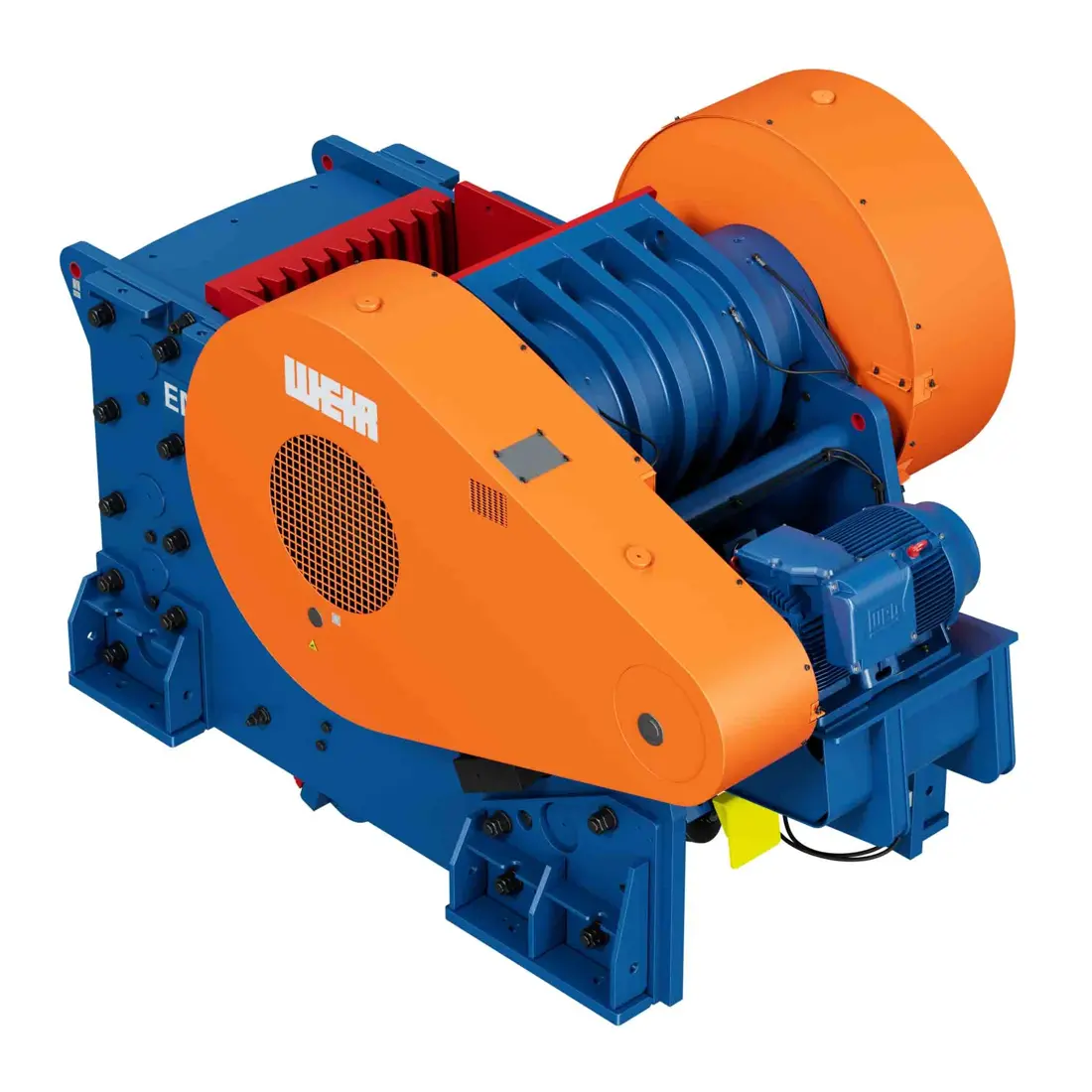
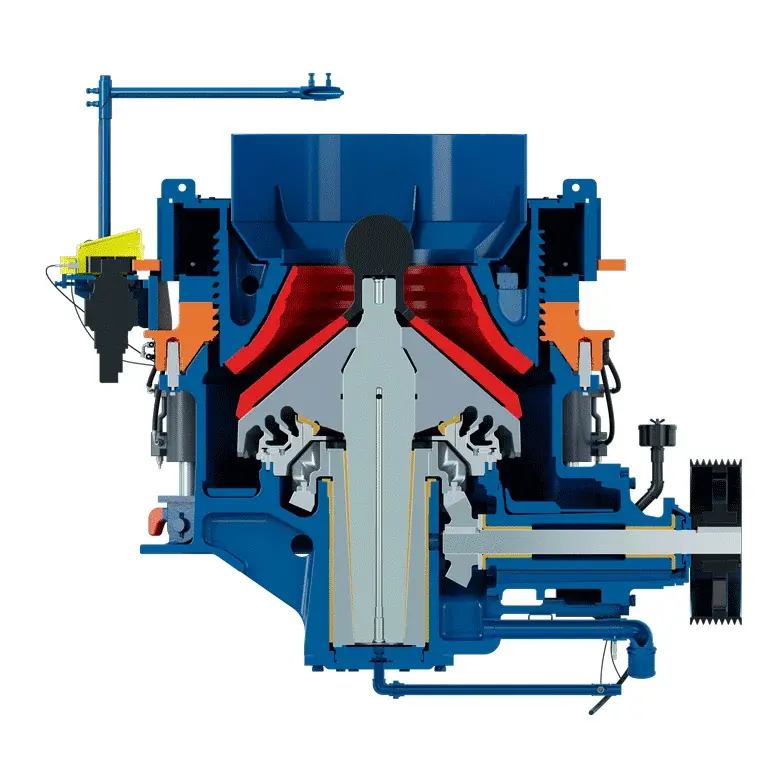
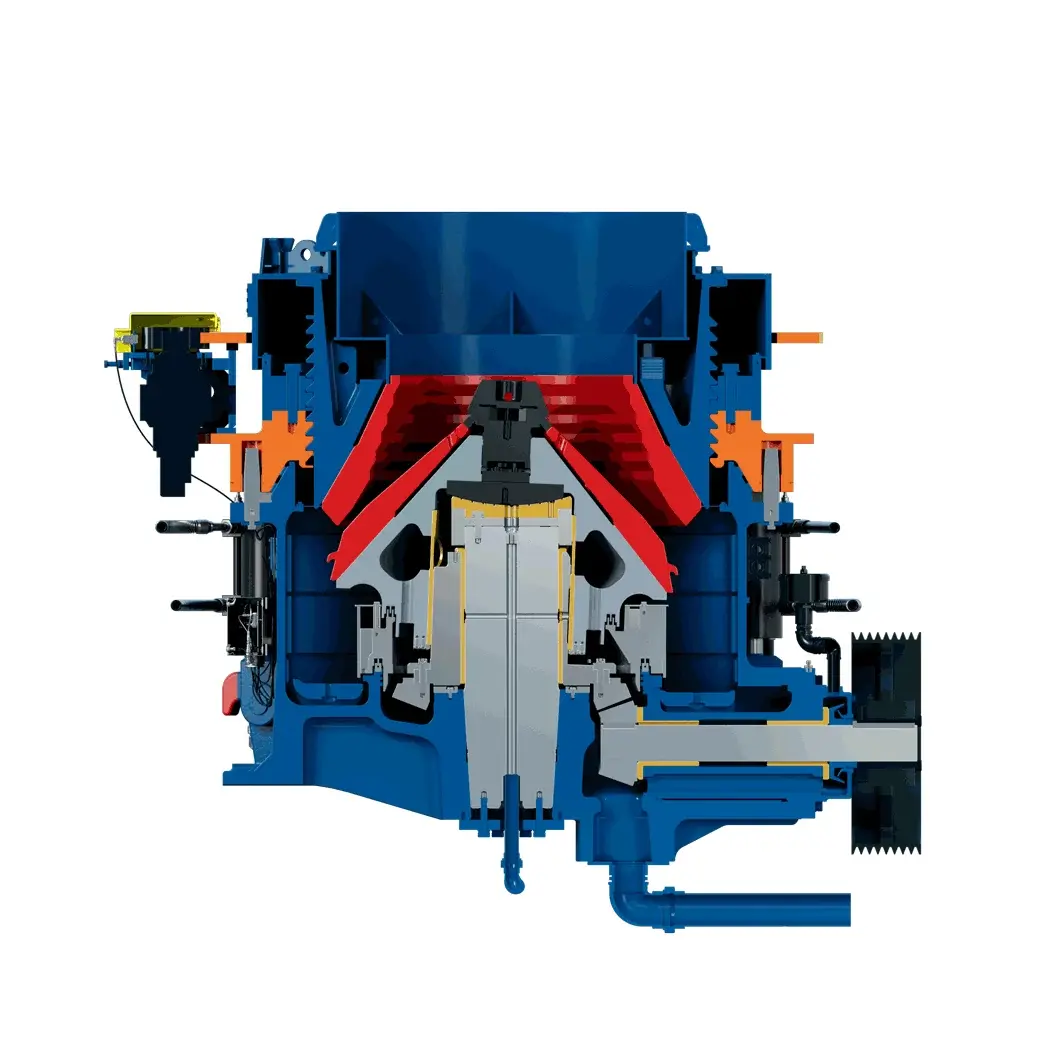
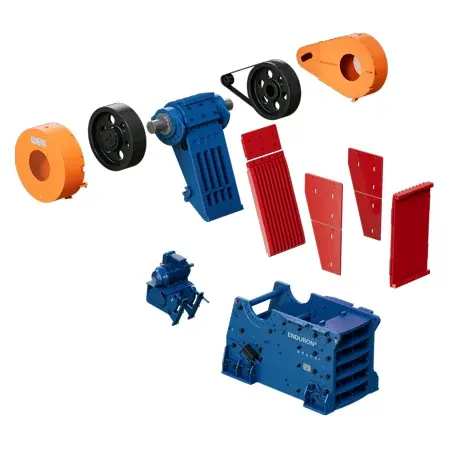
View the Component Page →ET single-toggle jaw crushers, EC cone crushers with a moving shaft and EP cone crushers with a fixed shaft. Use standard models and key dimensions to identify jaw plates, chamber liners, shafts, gears, bronze bushings and hydraulic spares.


First identify the ENDURON machine using official standard models and key dimensions, then review wear parts, shafts, drives and hydraulics for its jaw or cone design. Manufacture still requires the nameplate, full model, assembly drawings, used parts, installed interfaces, duty and verified drawing.
All 14 models in the table have current official Weir data sheets. Capacity figures are official reference ranges and vary with material, chamber, feed, CSS and circuit configuration.
| Standard Model | Key Dimensions | CSS / Typical Capacity | Installed Power / Machine Weight |
|---|---|---|---|
| ET905 jaw crusher | Feed opening 500 × 900 mm; maximum feed 405 mm | CSS 50–125 mm; 80–210 t/h | 55 kW; 13 t |
| ET906 jaw crusher | Feed opening 600 × 900 mm; maximum feed 510 mm | CSS 60–150 mm; 135–320 t/h | 75 kW; 16 t |
| ET1108 jaw crusher | Feed opening 800 × 1,100 mm; maximum feed 600 mm | CSS 75–175 mm; 190–415 t/h | 110 kW; 28 t |
| ET1209 jaw crusher | Feed opening 900 × 1,200 mm; maximum feed 750 mm | CSS 100–230 mm; 310–625 t/h | 185 kW; 45 t |
| ET1408 jaw crusher | Feed opening 800 × 1,400 mm; maximum feed 600 mm | CSS 75–175 mm; 245–515 t/h | 160 kW; 32 t |
| ET1411 jaw crusher | Feed opening 1,100 × 1,400 mm; maximum feed 900 mm | CSS 125–210 mm; 435–690 t/h | 220 kW; 61 t |
| ET1612 jaw crusher | Feed opening 1,200 × 1,600 mm; maximum feed 1,000 mm | CSS 150–300 mm; 560–1,070 t/h | 260 kW; 90 t |
| ET2015 jaw crusher | Feed opening 1,500 × 2,000 mm; maximum feed 1,200 mm | CSS 180–310 mm; 855–1,450 t/h | 400 kW; 152 t |
| EC36 moving-shaft cone crusher | Head diameter 914 mm; maximum feed 185 mm | CSS 6–38 mm; 65–185 t/h | 90 kW; 12 t |
| EC51 moving-shaft cone crusher | Head diameter 1,295 mm; maximum feed 295 mm | CSS 6–51 mm; 90–425 t/h | 200 kW; 22.5 t |
| EC66 moving-shaft cone crusher | Head diameter 1,676 mm; maximum feed 375 mm | CSS 6–64 mm; 155–740 t/h | 250 kW; 43.5 t |
| EP250 fixed-shaft cone crusher | Head diameter 935 mm; maximum feed 245 mm | CSS 6–38 mm; 70–260 t/h | 185 kW; 12 t |
| EP350 fixed-shaft cone crusher | Head diameter 1,033 mm; maximum feed 245 mm | CSS 6–45 mm; 110–465 t/h | 250 kW; 18.5 t |
| EP450 fixed-shaft cone crusher | Head diameter 1,250 mm; maximum feed 305 mm | CSS 8–51 mm; 150–675 t/h | 315 kW; 24 t |

Wear parts are organised by position and chamber design. Material pages support preliminary selection; final grade, chamber, tooth profile, thickness and heat treatment require the full model, material being crushed, CSS, wear pattern and original design.

ET Fixed Jaw Die
Mounted on the front frame to form the stationary crushing face. Check the ET model, tooth profile, thickness, hole positions, orientation, wear allowance and matching moving jaw plate.
View the Component Page →
ET Swing Jaw Die
Mounted on the pitman, it compresses material cyclically through the eccentric mechanism. Check tooth engagement, orientation, clamping wedges and remaining thickness together with the fixed jaw plate.
View the Component Page →
ET Cheek Plates & Pitman Protection
Upper and lower cheek plates protect the chamber sides; pitman guards protect exposed areas at the front of the moving jaw. Check each plate's side, level, hole spacing, thickness and fit with adjacent parts.
View the Component Page →
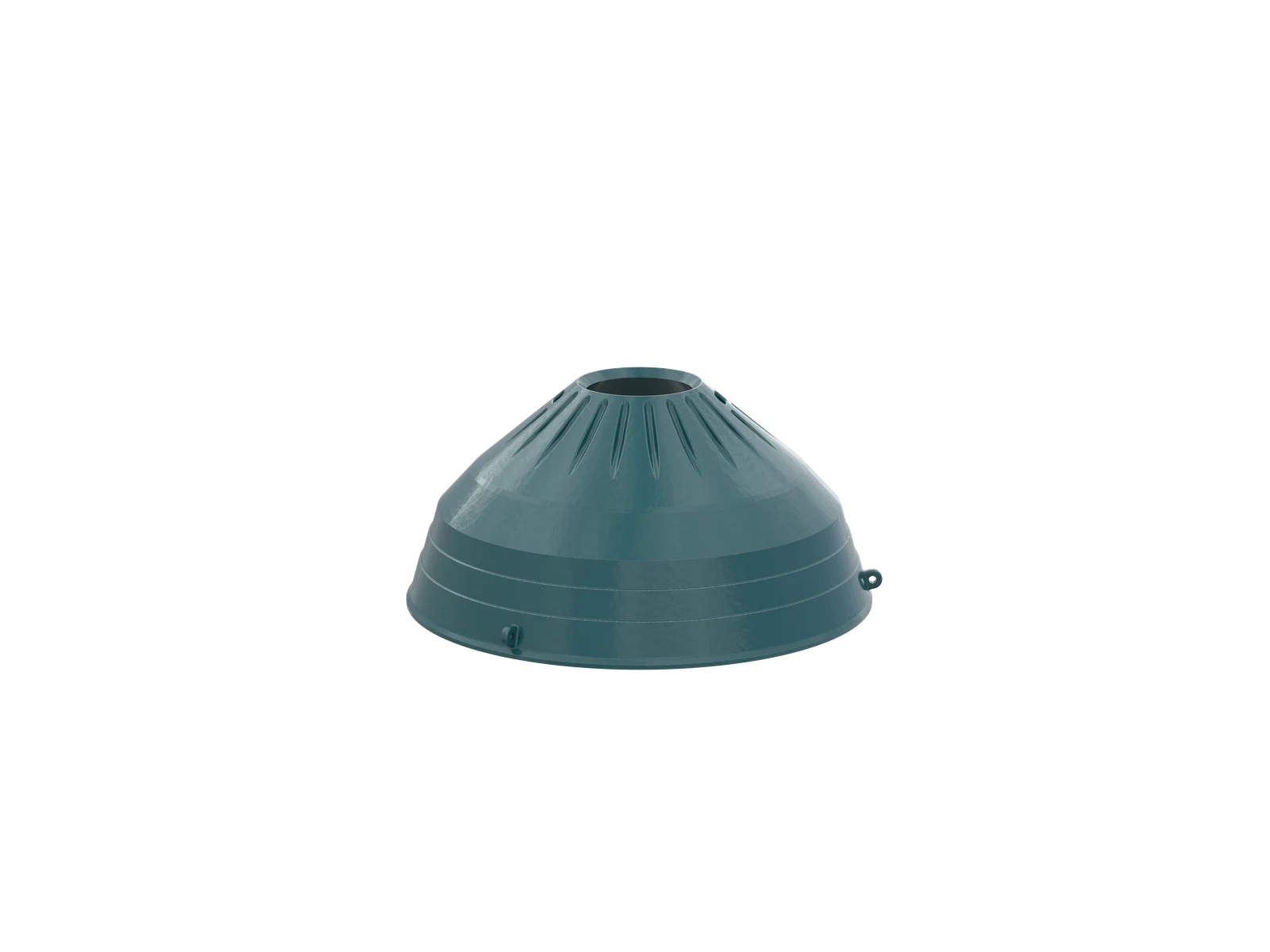
EC Mantle / Head Liner
Fitted around the EC moving-shaft and head assembly to form the moving crushing surface. Verify the EC model, standard or short head, chamber, locking arrangement and actual wear profile.
View the Component Page →
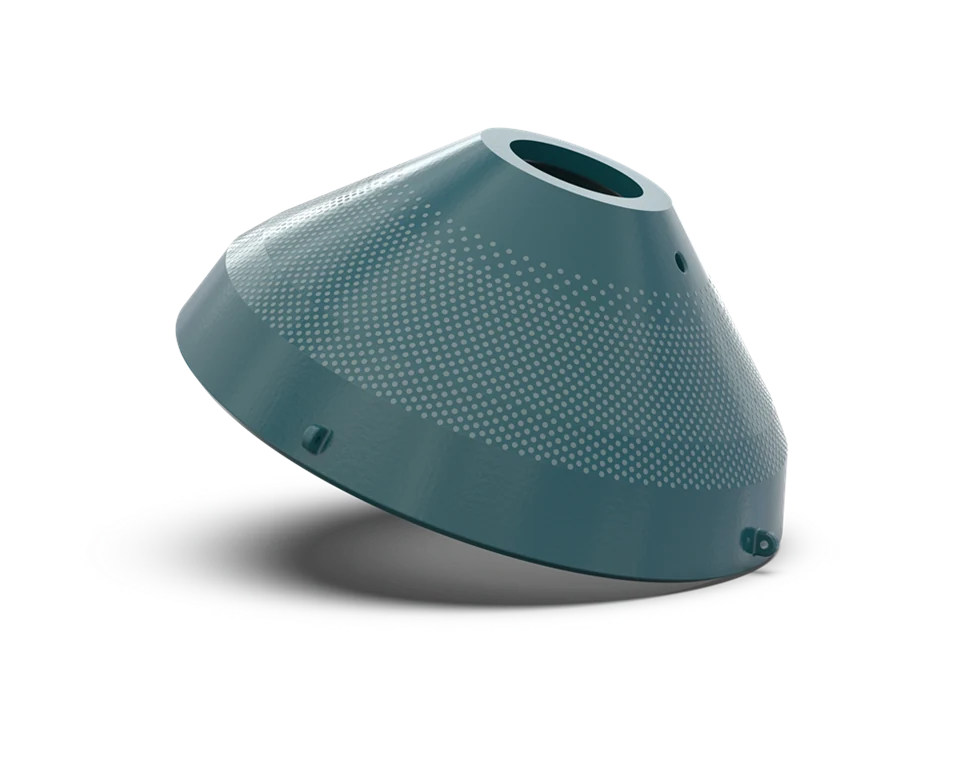
EC Bowl Liner / Concave
Fixed inside the bowl, these liners work with the mantle to define the EC chamber and discharge setting. Supply the model, chamber, CSS, feed details and matching mantle when ordering.
View the Component Page →
EP Mantle & Concave Set
The EP head moves independently around a fixed main shaft. Match mantle and concave as a pair for the EP model, standard or short-head design, and coarse, medium or fine chamber.
View the Component Page →ET, EC and EP have different main mechanisms; generic labels such as jaw or cone crusher do not establish interchangeability. Confirm the series and model before checking shafts, bushings, bearings, gears, hydraulics and fits.

ET Pitman, Eccentric Shaft & Flywheel
The pitman, forged eccentric shaft, flywheel and pulley form the ET main mechanism. Check shaft diameters, bearing seats, keyways, flywheel orientation and assembly fits for the model.
View the Component Page →
ET Toggle, Seats & Tensioning System
Toggle plates and seats transmit load and contribute to overload protection; hydraulic wedges and retraction springs control CSS and tension. Verify the complete set of interfaces for the installed version.
View the Component Page →
ET Spherical Roller Bearings & Labyrinth Seals
Large spherical roller bearings in the pitman carry cyclic impact loads, while labyrinth seals exclude dust. Provide the model, bearing designation, journal and housing bore dimensions, and seal design for quotation.
View the Component Page →
EC Live Shaft, Head & Eccentric
The EC head and main shaft move together within the eccentric mechanism. Verify the EC model, shaft-to-head fit, eccentricity, upper and lower bushings and thrust arrangement.
View the Component Page →
EC Ring Gear, Pinion & Hydraulic Adjustment
The pinion drives the eccentric mechanism. Hydraulics adjust and lock the bowl, clear the chamber and provide tramp release. Verify complete assemblies and their interfaces.
View the Component Page →
EP Pedestal Shaft, Bevel Gears & Bushings
EP uses a fixed main shaft and an independently moving head, driven through spiral bevel gears. Verify tooth count, module, spiral hand, bushings and eccentric assembly for the EP model.
View the Component Page →They cannot be treated as the same cone crusher design. EC has a head and main shaft that move together; EP has a fixed main shaft and an independently moving head. Liners, eccentrics, bushings, gears and hydraulic interfaces must be checked for the series and specific model.
The model narrows the search, but manufacture also requires the nameplate, chamber or tooth profile, drawing or used part, key dimensions, orientation, current material and duty. Cone liners also require standard or short-head identification, coarse, medium or fine chamber, and CSS.
Numbers without a traceable OEM catalogue, drawing or installation record are not published. Verified references are assigned to the relevant part position after the full model, drawing, used part or reliable installation data is obtained.
Provide the full ET, EC or EP model, nameplate, chamber or tooth profile, drawing, used-part photographs, key dimensions, orientation, current material and operating conditions. These support identification, material assessment, manufacturing coordination, quality control and finished-part delivery.
Or contact us directly: +86 156 3797 3199
zzx@anranst.com
ANRANST provides customers worldwide with engineering assessment, production at certified foundries to the customer technical requirements, quality control and finished-part delivery for custom wear parts and industrial spares, with scope to support other custom industrial parts.
We review mating surfaces and interface dimensions and assess material, heat treatment and manufacturing feasibility.
Material grades and heat-treatment processes are specified order by order, stated in the technical agreement and tracked through production.
Drawing confirmation, material and process control, production tracking, inspection and acceptance coordination.
We coordinate manufacturing, quality confirmation, packaging and delivery of complete finished parts in a workable, closed-loop supply process.
Provide the equipment brand, complete model and serial number, part name, part number or drawing number, drawing revision, quantity, material requirements and duty. If identifiers are unavailable, send photographs and key dimensions.
Submit an Enquiry