
01
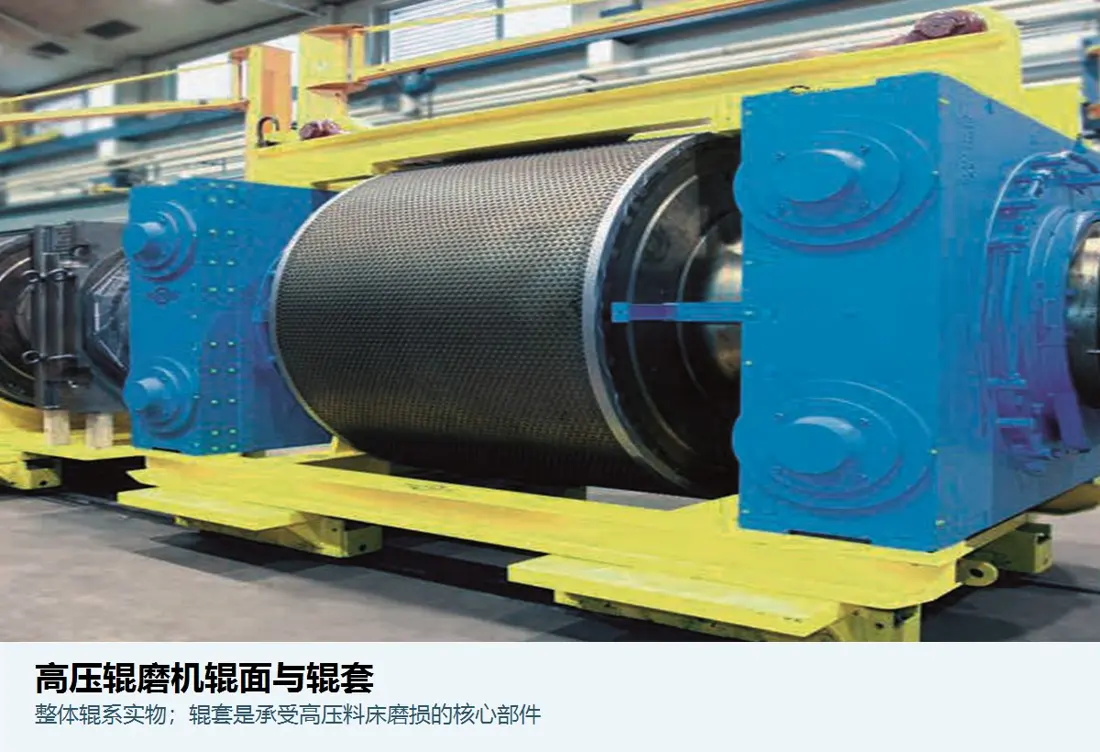
أسطح البكرات وأطواقها
سطح البكرة / طوق البكرة
السطح العامل الرئيسي لطبقة المادة عالية الضغط. افحص القطر والعرض وتصميم السطح والحواف ومقطع التآكل والاتصال بعمود البكرة.
عرض صفحة المكون →ابدأ بطراز PM وقطر البكرة وعرضها لتحديد أنظمة تآكل البكرات والقطع الحاملة والهيدروليكية والمواد والرسم لعرض الأسعار.
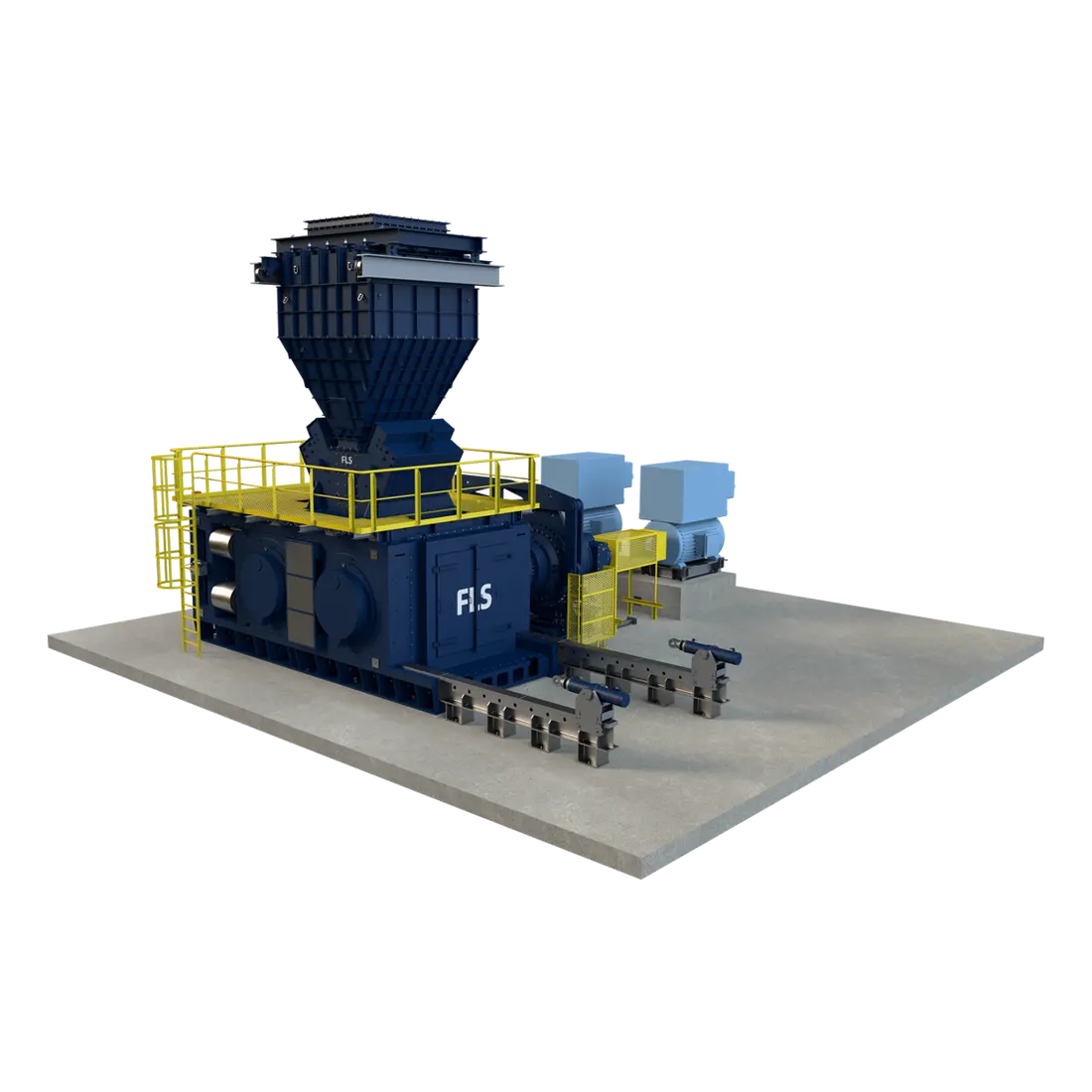
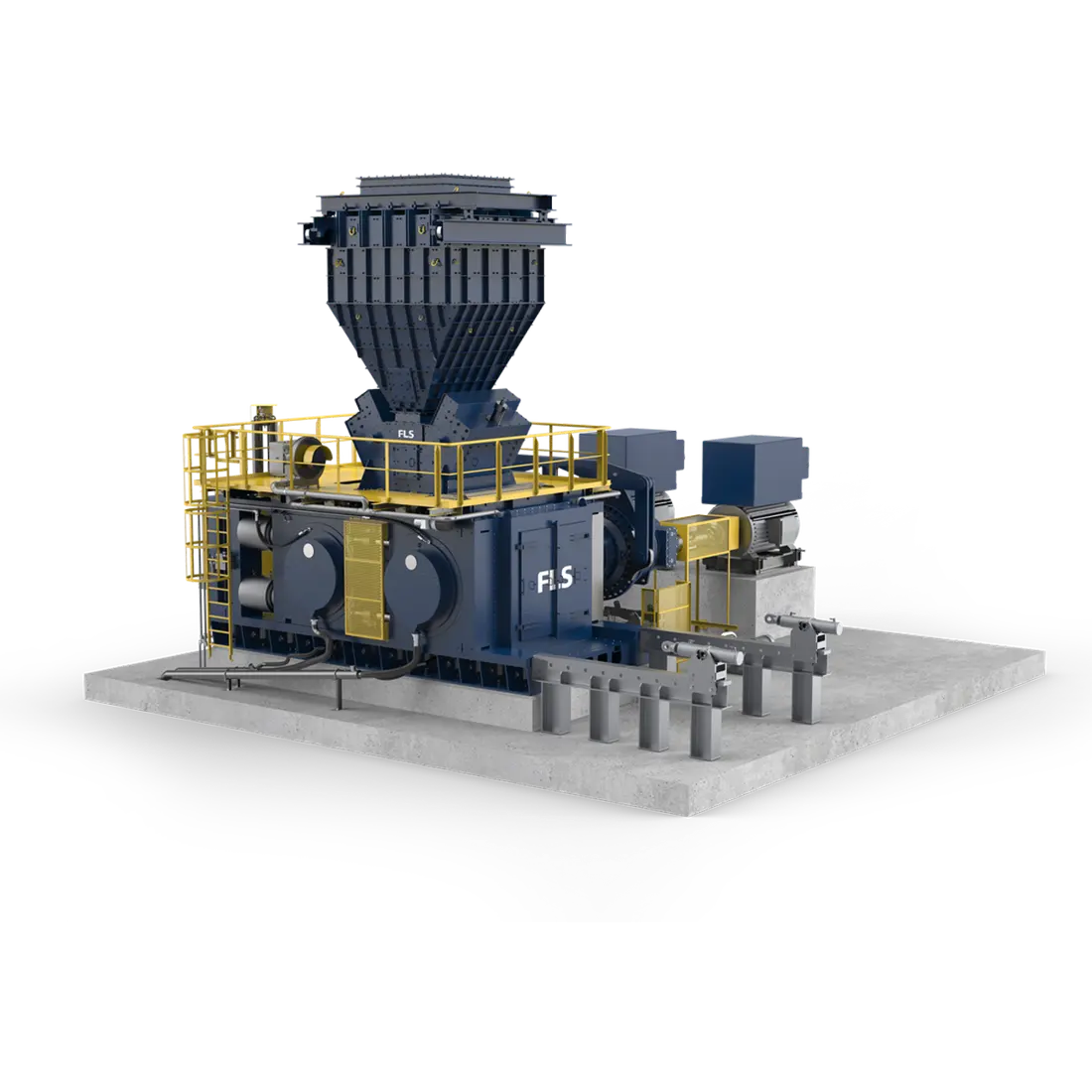
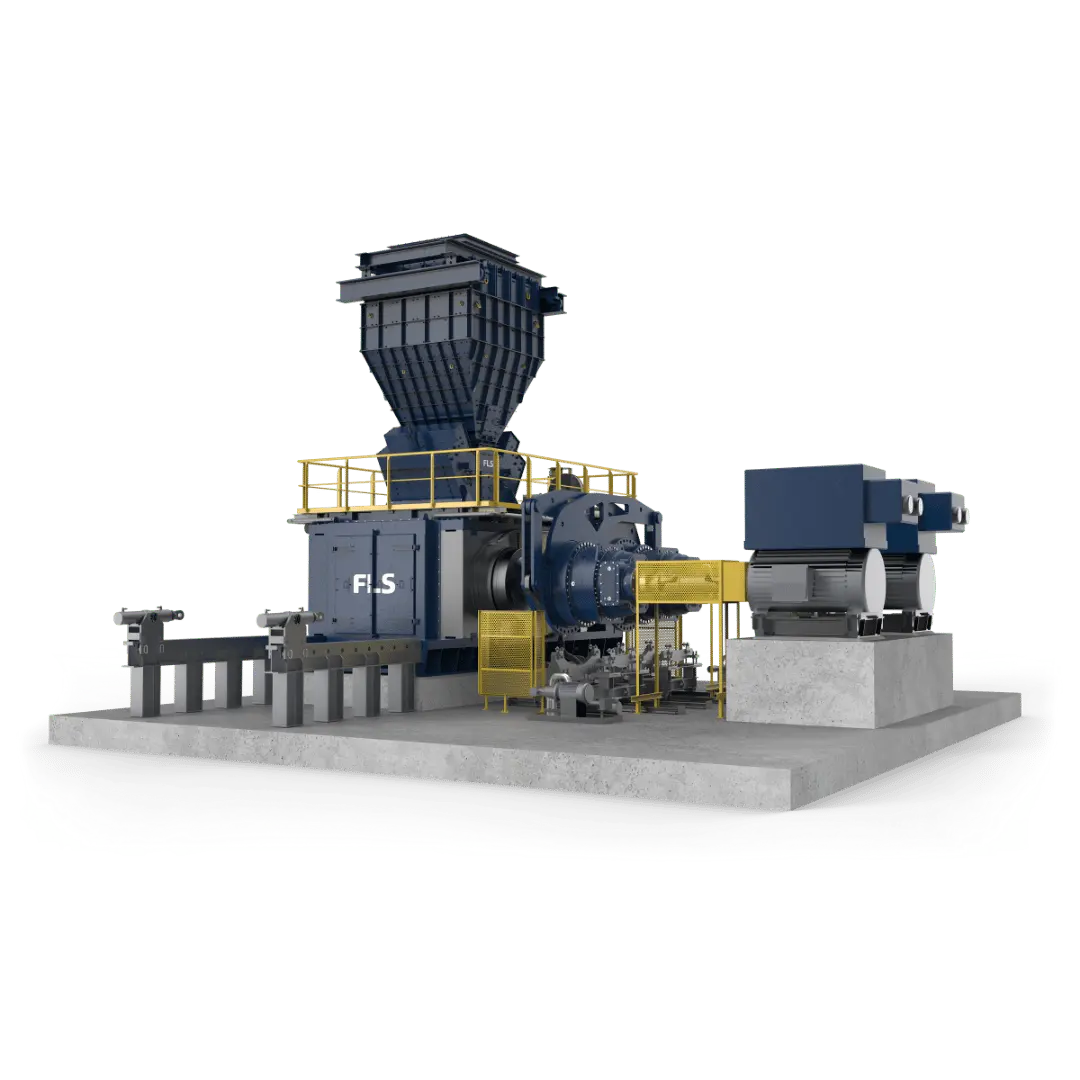
يسرد كتيب FLS HPGR الرسمي قطر البكرات وعرضها وقوة الطحن وقدرة المحركين والأبعاد الإجمالية لـPM0 وPM1 ومن PM3 إلى PM10. تنطبق خصائص HPGR Pro على المعدات الجديدة أو مشاريع تحديث Standard المتطابقة.
الأبعاد من كتيب FLS HPGR / HPGR Pro الرسمي للتحديثات. لقطع أسطح البكرات والمحامل والهيدروليك والإدارة، طابق أيضا الرقم التسلسلي وموضع البكرة الثابتة أو المتحركة وتجهيز التحديث.
| Model | تعيين الحجم | قطر البكرة × عرضها (mm) | قوة الطحن (kN) | قدرة المحرك (kW) | الطول × العرض × الارتفاع (mm) |
|---|---|---|---|---|---|
| PM0 | 9/7 | 950 × 650 | 2,700 | 2 × 220 | 3,240 × 1,860 × 3,800 |
| PM1 | 11/8 | 1,100 × 800 | 3,400 | 2 × 450 | 3,750 × 2,150 × 4,600 |
| PM3 | 14/8 | 1,400 × 800 | 4,300 | 2 × 500 | 3,735 × 2,164 × 5,400 |
| PM4 | 17/10 | 1,700 × 1,000 | 7,000 | 2 × 800 | 4,490 × 3,030 × 6,800 |
| PM5 | 20/10 | 2,000 × 1,000 | 8,600 | 2 × 1,600 | 5,950 × 3,000 × 7,500 |
| PM6 | 20/15 | 2,000 × 1,500 | 11,000 | 2 × 1,850 | 6,020 × 3,460 × 8,000 |
| PM7 | 20/17 | 2,000 × 1,650 | 13,500 | 2 × 2,500 | 6,550 × 3,640 × 8,800 |
| PM8 | 24/17 | 2,400 × 1,650 | 17,000 | 2 × 2,800 | 7,725 × 3,820 × 9,000 |
| PM9 | 26/18 | 2,600 × 1,750 | 20,000 | 2 × 3,400 | 8,500 × 4,150 × 9,700 |
| PM10 | 30/20 | 3,000 × 2,000 | 25,000 | 2 × 5,000 | 9,500 × 4,600 × 11,000 |
تتطابق الأرقام على المخطط مع الصفوف أدناه.
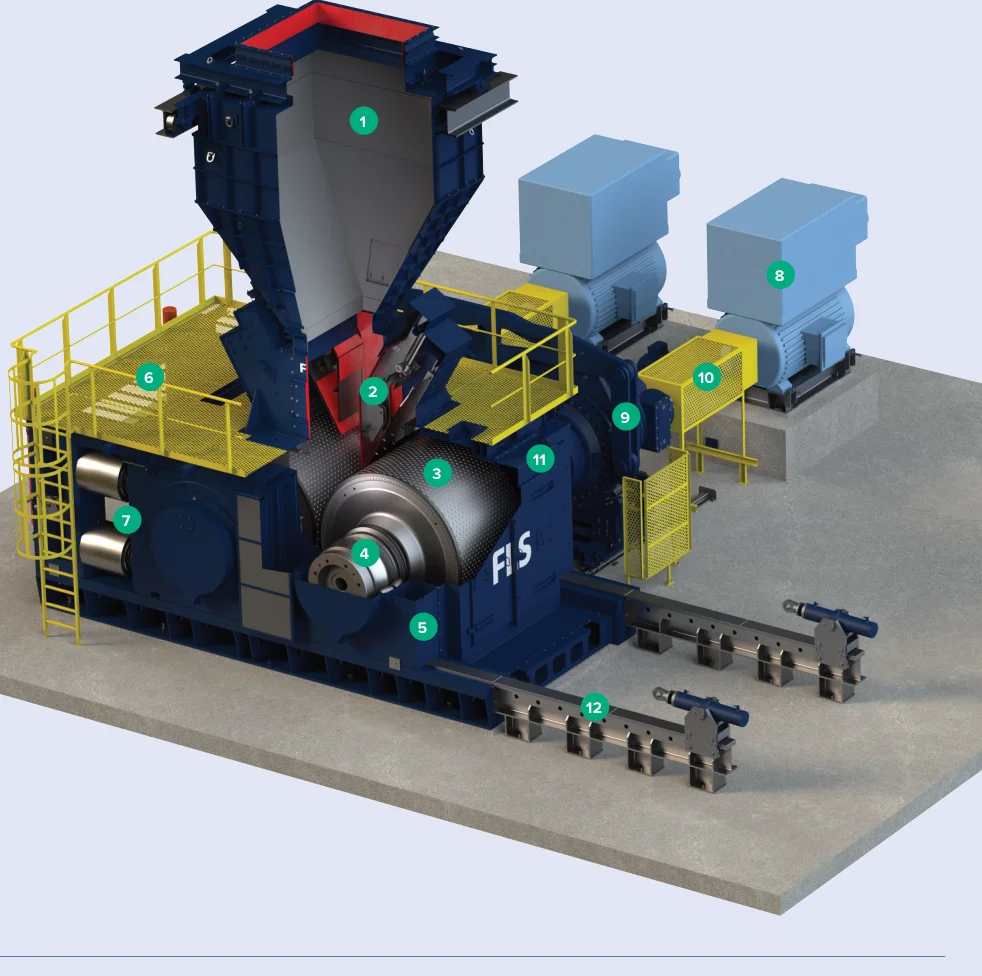
| الرقم | المكوّن | الموضع | ينطبق على |
|---|---|---|---|
| 1 | مزلق التغذية (مبطن) | ممر التغذية فوق البكرات | HPGR Standard |
| 2 | بوابة التحكم في التغذية | مزلق التغذية السفلي | HPGR Standard |
| 3 | طوق بمسامير بارزة | سطح عمل بكرات الطحن | HPGR Standard |
| 4 | عمود البكرة | خط محور بكرات الطحن | HPGR Standard |
| 5 | كتلة المحمل | دعامات عند أطراف أعمدة البكرات | HPGR Standard |
| 6 | منصة صيانة | منصة بجانب مجموعة البكرات | HPGR Standard |
| 7 | أسطوانات هيدروليكية | التحميل الهيدروليكي بجانب مجموعة البكرات | HPGR Standard |
| 8 | محرك الإدارة الرئيسي | طرف الإدارة الخلفي | HPGR Standard |
| 9 | مخفضات سرعة بمجموعة ذراع رد العزم | بين المحركات وأعمدة البكرات | HPGR Standard |
| 10 | عمود كردان | قسم الإدارة بين مخفضات السرعة وأعمدة البكرات | HPGR Standard |
| 11 | غطاء منع غبار بأبواب فحص | الغطاء فوق بكرات الطحن | HPGR Standard |
| 12 | هيكل سحب البكرة | قضبان السحب أسفل الآلة | HPGR Standard |
تختلف آليات التآكل في وسط البكرات وحوافها والألواح الجانبية وممرات التغذية والتفريغ. تربط البطاقات المواضع وخيارات المواد بصفحات المكونات؛ وتتم المطابقة النهائية بحسب طراز PM والرسومات.
سطح البكرة / طوق البكرة
السطح العامل الرئيسي لطبقة المادة عالية الضغط. افحص القطر والعرض وتصميم السطح والحواف ومقطع التآكل والاتصال بعمود البكرة.
عرض صفحة المكون →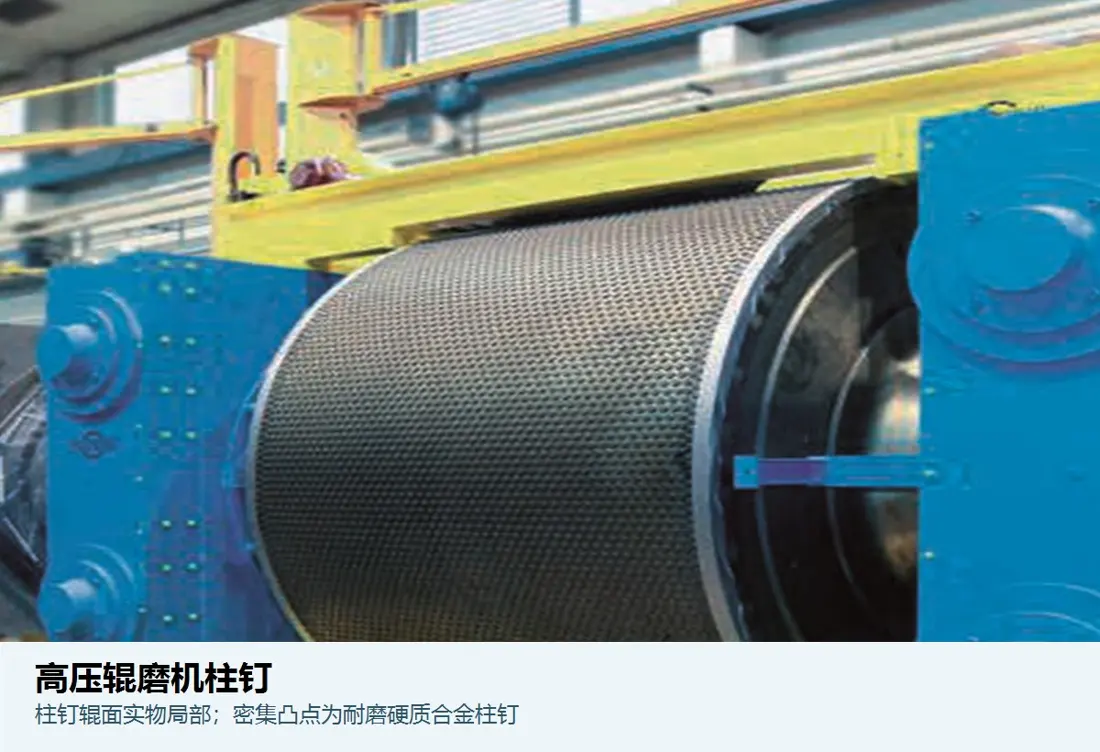
مسمار من كربيد التنغستن
تحتفظ المسامير المدمجة بطبقة واقية من المادة نفسها. طابق القطر والطول وشكل الرأس وكثافة التوزيع والمقاعد وانتقالات الحواف.
عرض صفحة المكون →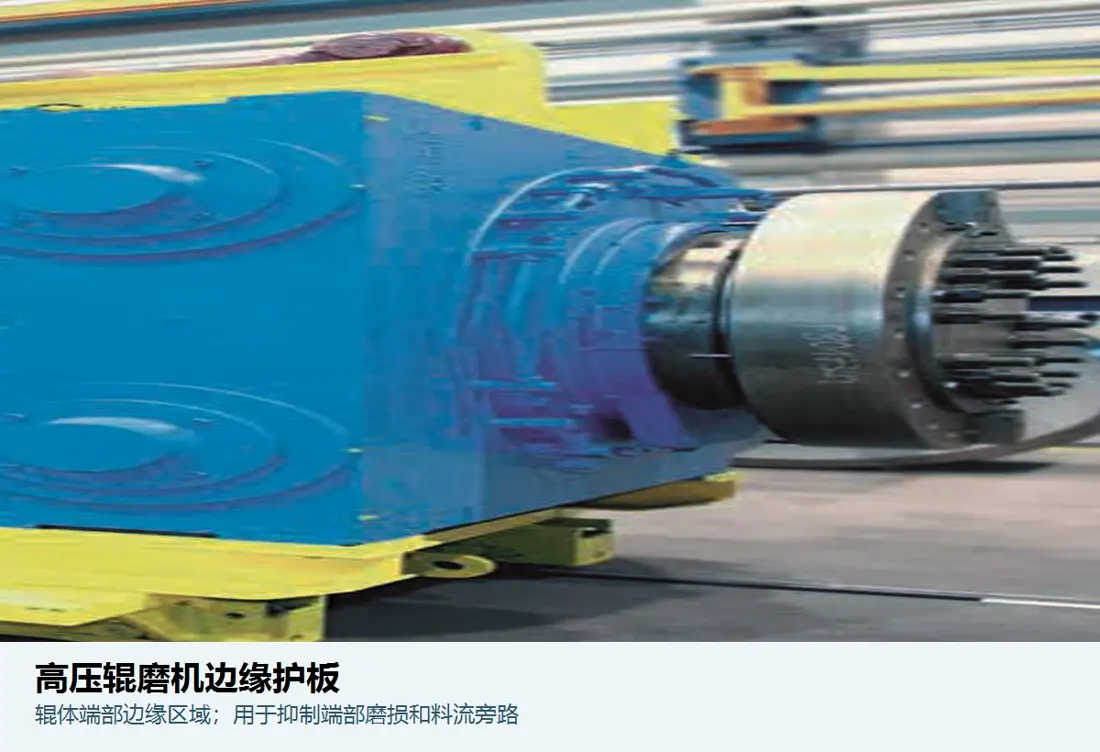
كتلة الحافة / حماية الحافة
تحمي حواف البكرات وتضبط تآكلها. افحص الجانب الداخلي/الخارجي والموضع المحيطي وأخاديد التركيب والتثبيت والانتقال إلى المنطقة المزودة بالمسامير.
عرض صفحة المكون →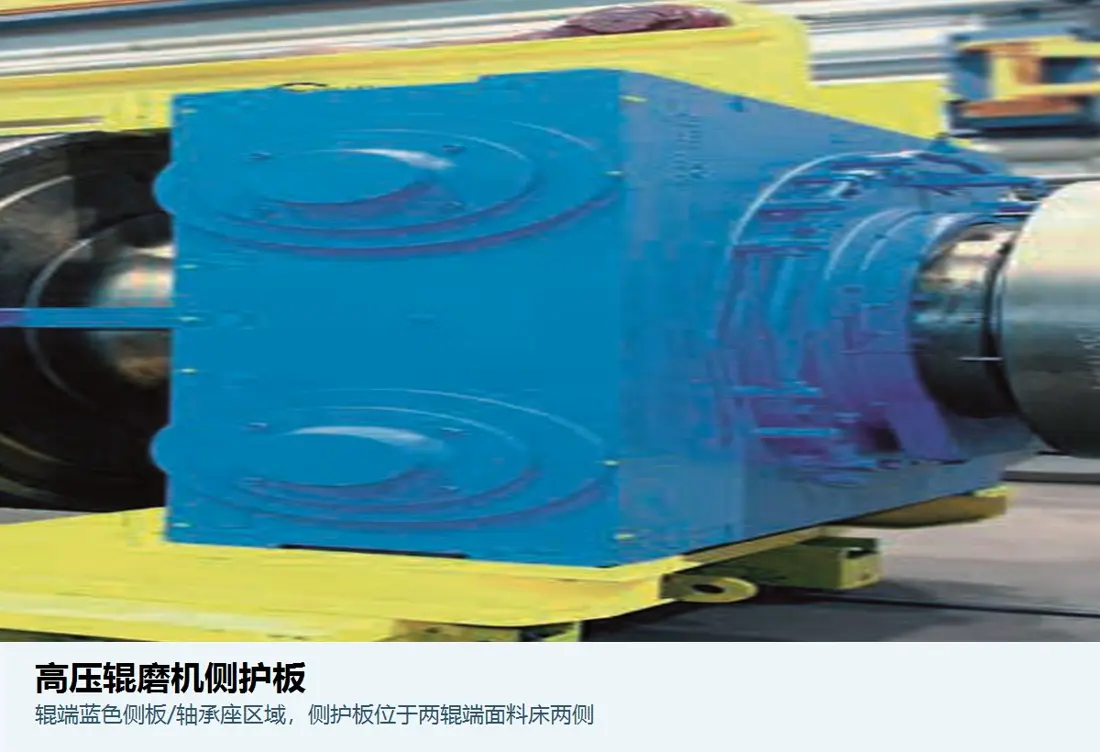
لوح جانبي / لوح جانبي دوار
تحتوي المادة عند جانبي فجوة البكرات تحت السحج عالي الضغط. للألواح الدوارة HPGR Pro، افحص أيضا آلية الدوران والخلوص والأختام.
عرض صفحة المكون →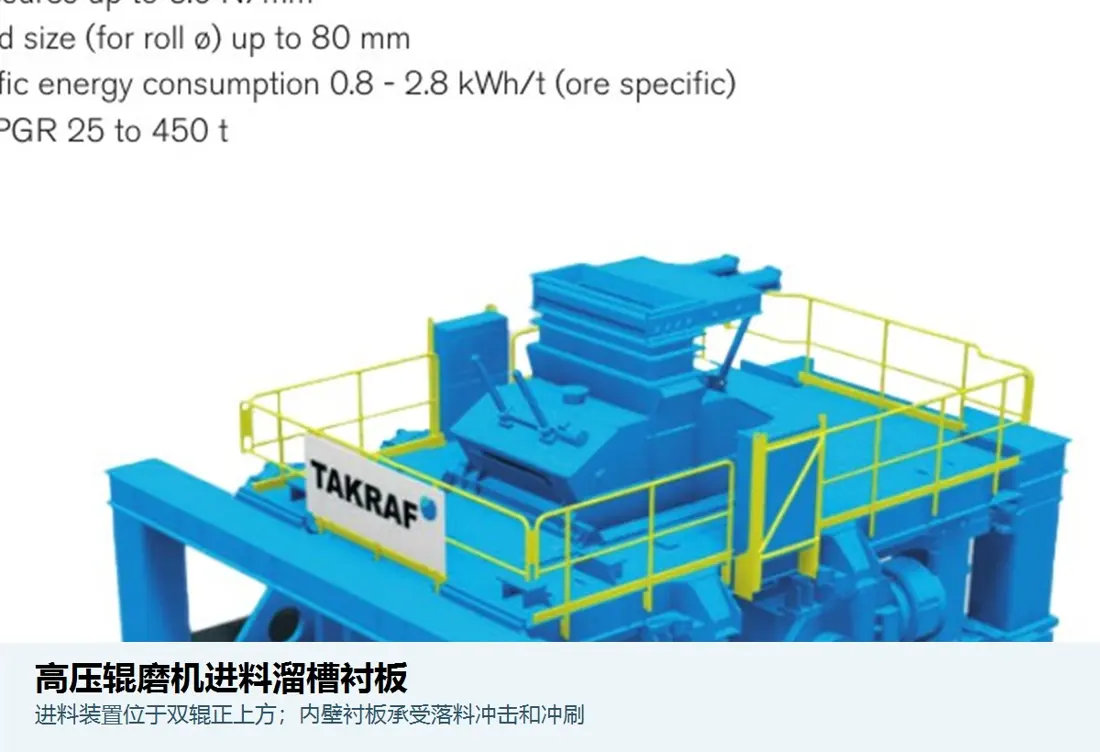
تغذية شلال بطانة
تتحمل صدمات الحبيبات الخشنة وتثبت تغذية فجوة البكرات. افحص الموضع وزاوية السقوط والسماكة والثقوب ومواضع اتصال الألواح الجانبية.
عرض صفحة المكون →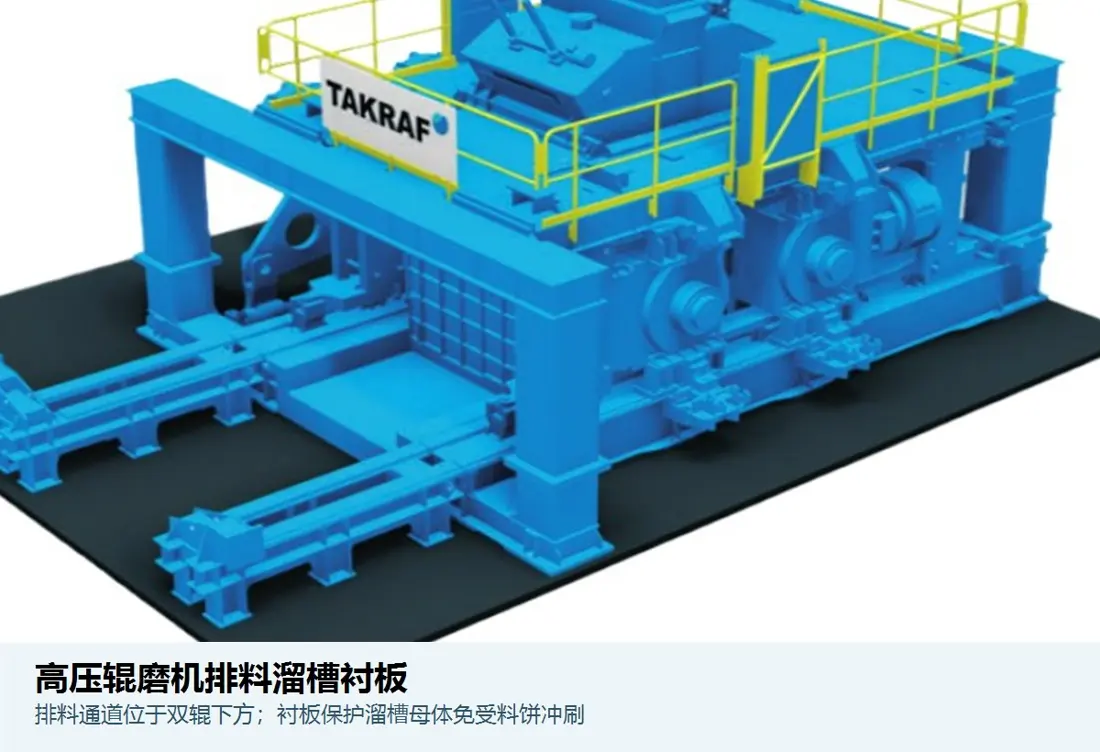
بطانة مزلق التفريغ
تتحمل سقوط الكتل المضغوطة والصدم والتآكل الانزلاقي. افحص ارتفاع السقوط ونقطة الصدم ووصلات البطانات والتثبيت وإمكانية الوصول للصيانة.
عرض صفحة المكون →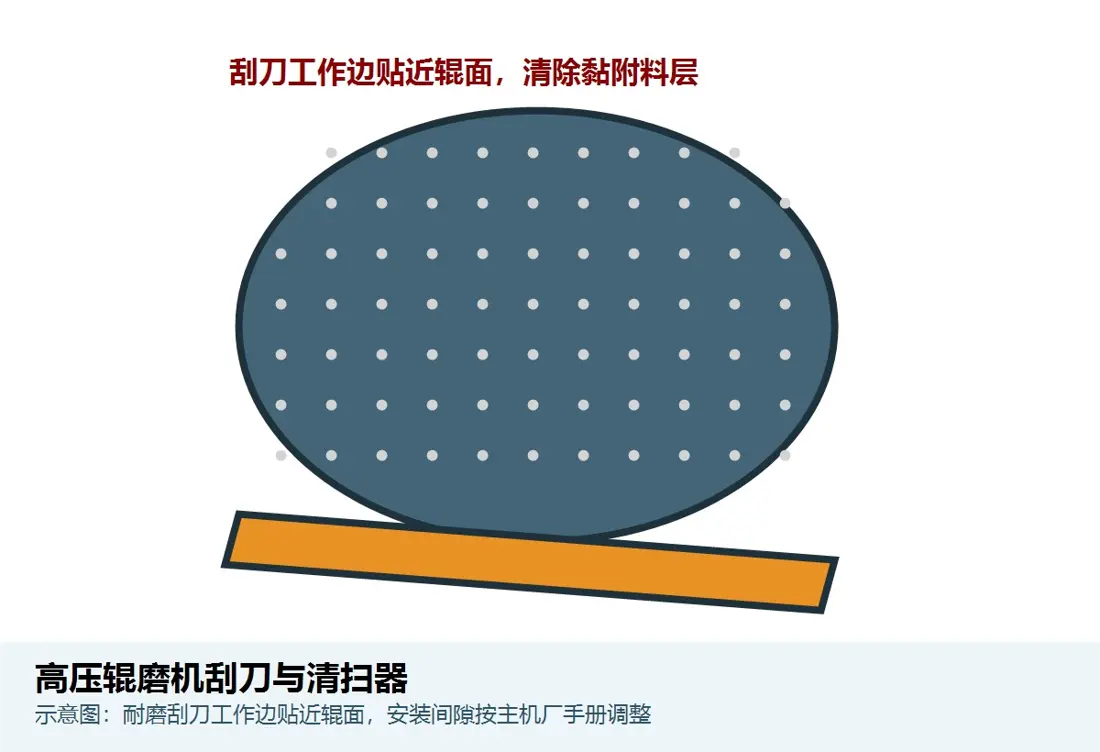
كاشطة / منظف
تزيل المادة الملتصقة بالبكرات أو الممرات. افحص مقطع الكاشطة والتحميل المسبق والخلوص واتجاه الحركة ومواضع اتصال الحامل.
عرض صفحة المكون →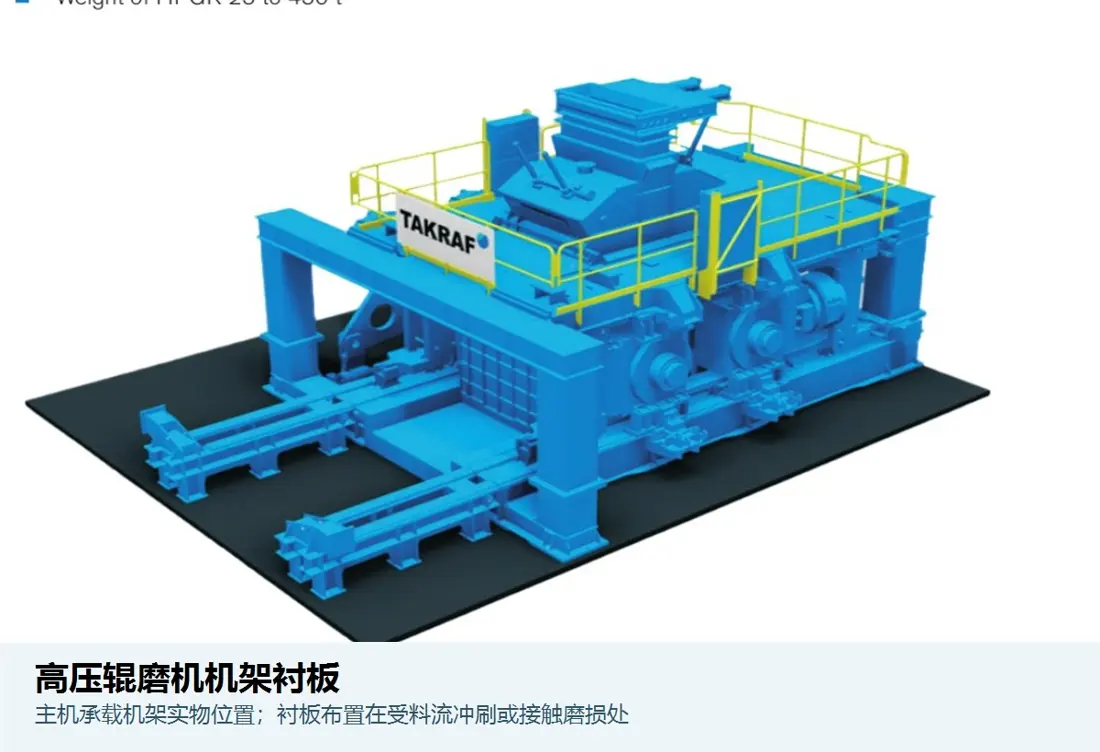
بطانة هيكل المكبس / القادوس
تحمي مناطق الهيكل والقادوس من الصدم والضغط والتآكل الانزلاقي. افحص شكل الألواح وسماكتها واتجاه التراكب والتركيب.
عرض صفحة المكون →ميز HPGR Standard / Pro وطراز PM وجانب المعدة والبكرة الثابتة/المتحركة وحالة التحديث. لا تنشر صفحات المكونات إلا المراجع المتطابقة.
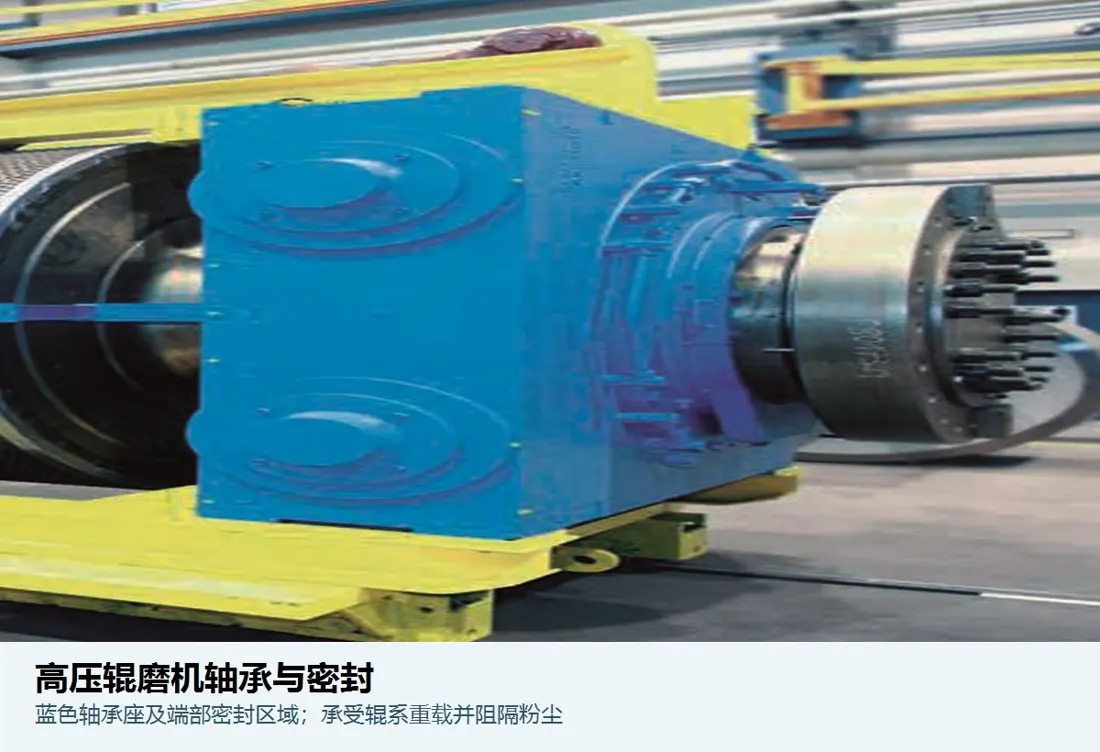
محمل رئيسي & ختم إحكام المحمل
افحص طراز PM وطراز المحمل والنهاية الثابتة/العائمة والخلوص والتزييت وتصميم الختم ووصلات مراقبة الحرارة.
عرض صفحة المكون →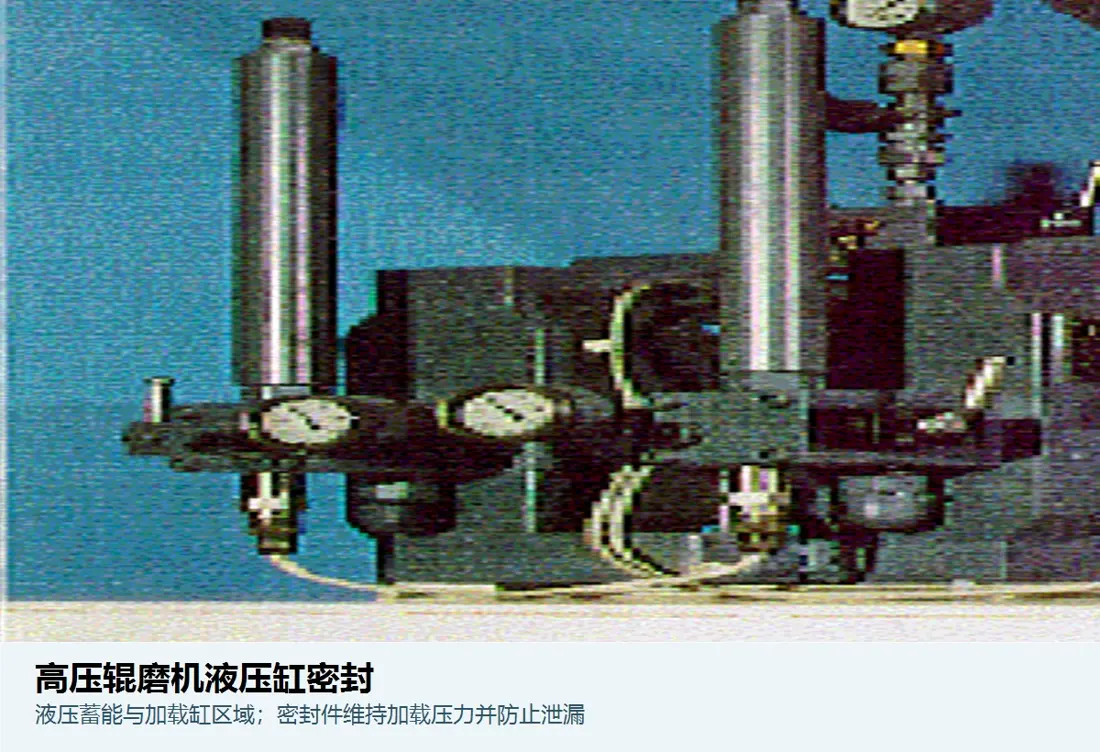
أسطوانة هيدروليكية & طقم موانع تسرب
تحمل فجوة البكرات وتحرك البكرة المتحركة. افحص قطر التجويف والقضيب والشوط والضغط ومحاور التركيب وأخاديد الأختام والسائل.
عرض صفحة المكون →عمود البكرة & مجموعة البكرة
تشمل البكرتين الثابتة والمتحركة والأعمدة والوصلات. افحص الأعناق ومقاعد المحامل ومواضع اتصال البكرات وتوافق المحاور والمعالجة الحرارية والفحوص غير الإتلافية.
أرسل الرسومات والمراجع →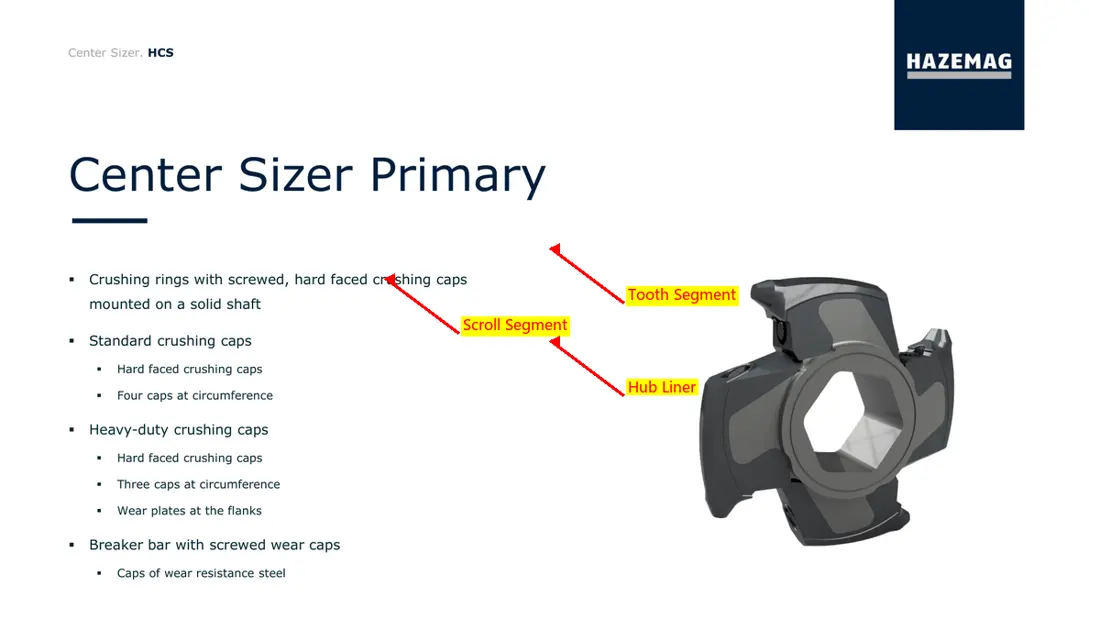
علبة تروس ووصلة & عمود إدارة
حدد كل جانب من نظام المحركين كمجموعة. افحص القدرة ونسبة التخفيض وعمود الخرج والوصلة وتحديد العزم والأسطح المرجعية للتركيب.
عرض صفحة المكون →قطع التزييت بالزيت & الترشيح
لمحامل HPGR Pro الرئيسية المزيته بالزيت، افحص المضخات والمرشحات والمبردات والصمامات ووصلات الأنابيب والزيت وعناصر المراقبة.
أرسل الرسومات والمراجع →مجموعة محدد الميل الميكانيكي
مجموعة HPGR Pro تحد من ميل البكرة المتحركة. افحص حجم المعدة وجانب التركيب وتصميم القفل والروابط ووصلات الحساسات.
أرسل الرسومات والمراجع →افحص أولا طراز PM وحجم المعدة، ثم قطر البكرة وعرضها والرقم التسلسلي ونوع السطح وموضع البكرة الثابتة/المتحركة وتجهيز Standard / Pro.
تذكر FLS إمكانية تحديث المعدات بمقاسات 4–10 إلى Pro. يلزم فحص كل تعديل وقطعة بحسب المقاس والرقم التسلسلي ونطاق التحديث ورسومات التعديل.
نعم. أرسل المرجع وطراز PM وقطر البكرة وعرضها والموضع وترتيب السطح وصور القطعة المستعملة وبيانات المادة لإجراء المطابقة.
قدم طراز PM وStandard / Pro والرقم التسلسلي والبكرة الثابتة/المتحركة والجانب وترتيب السطح والرسومات أو العينات والمادة وظروف العمل. تدعم هذه البيانات التحديد وتقييم المادة والإنتاج في مسابك معتمدة ومراقبة الجودة والتسليم.
أو تواصل معنا مباشرة: +86 156 3797 3199
zzx@anranst.com
تقدّم ANRANST لعملائها حول العالم التقييم الهندسي والإنتاج في مسابك معتمدة وفق المتطلبات الفنية للعميل ومراقبة الجودة وتسليم القطع الجاهزة لقطع التآكل المخصّصة وقطع الغيار الصناعية، مع إمكانية دعم قطع صناعية مخصّصة أخرى.
نراجع أسطح التزاوج وأبعاد الوصلات، ونقيّم إمكانية التصنيع من حيث المادة والمعالجة الحرارية.
Material grades and heat-treatment processes are specified order by order, stated in the technical agreement and tracked through production.
تأكيد الرسم، ومراقبة المواد والعمليات، ومتابعة الإنتاج، والفحص، وتنسيق القبول.
ننسّق التصنيع وتأكيد الجودة والتغليف والتسليم للقطع الكاملة ضمن سلسلة توريد متكاملة وعملية.
زوّدنا بالطراز الحالي والرسومات والمواد أو ظروف التشغيل لنتمكن من تحديد المراجعة الفنية ومسار التوريد المناسبين.
أرسل استفساراً