
BALL MILL LINER SYSTEM
Ball Mill Liner Systems
Shell, lifter bars, head liners, discharge and trunnion protection
Shell ZoneShell liners, lifter bars and liner fasteners
End ZonesFeed-end, discharge-end and trunnion liners
Discharge ZoneDischarge grates, pulp lifters and discharge passages
Identification requirementsModel, dimensions, discharge arrangement, drawing and operating conditions
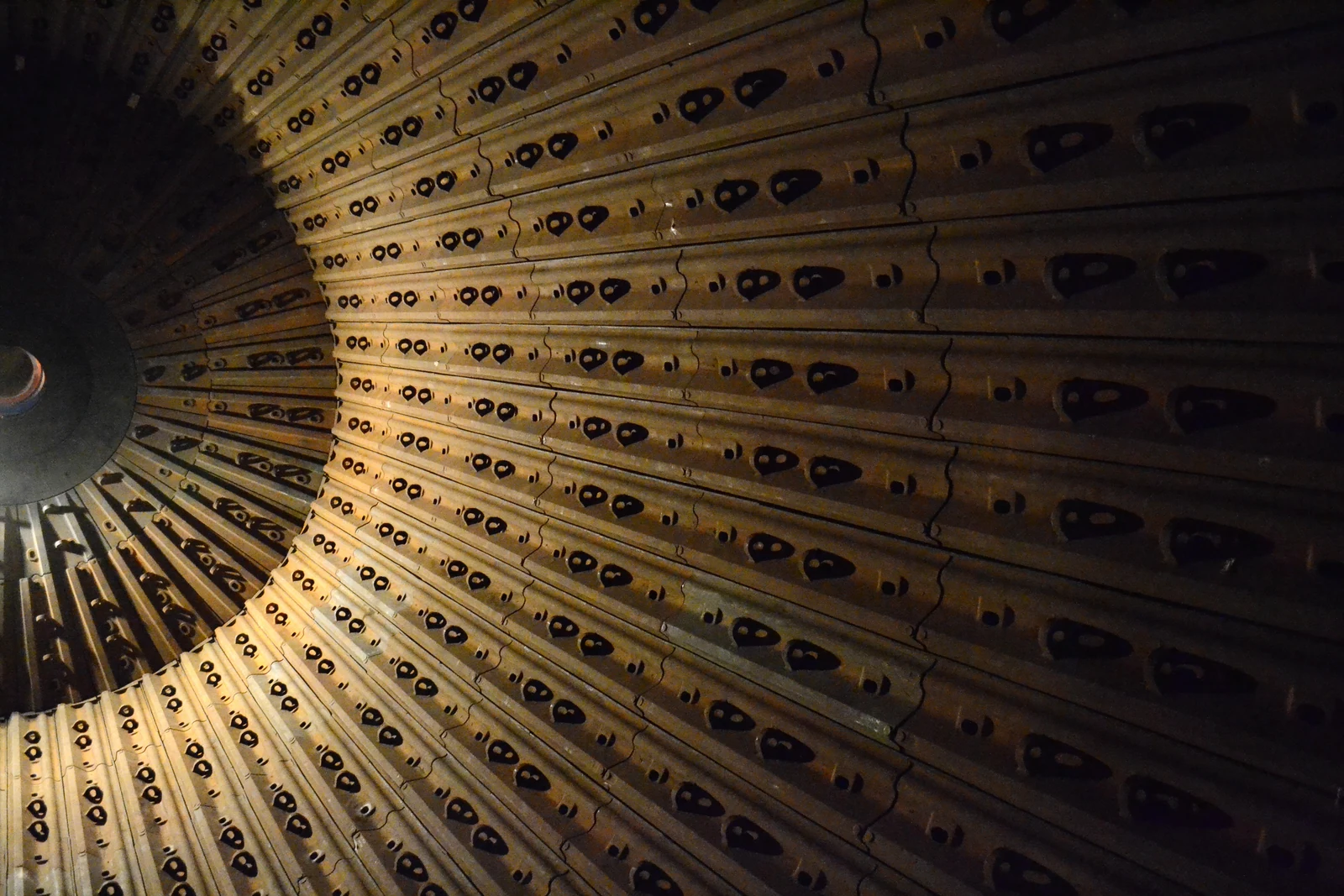
System scope Installed equipment identification OEM, series, full model, serial number and drawing revision Key dimensions Shell inside diameter, effective length, hole positions, plate thickness and end connections Grinding conditions Ore, particle size, abrasiveness, grinding balls, speed, filling and throughput Target Results Service life, balanced wear, working volume, discharge capacity and downtime
Build a complete BOM by installation zone and discharge arrangement
Ball mills with the same diameter may differ in shell length, head construction, bolt holes, lifter profiles and overflow or grate-discharge arrangements. A request stating only “ball mill liners” is insufficient.
Shell and Head Wear Parts
Different positions face different impact, abrasion and structural loads
Each card links to the corresponding general part page, where equipment, position, material and drawing can be checked.
Shell Working Zone Shell Liners
Protect the shell and define the boundary for grinding-media movement. Check curvature, thickness, hole positions, layout, profile and minimum safe thickness after wear.
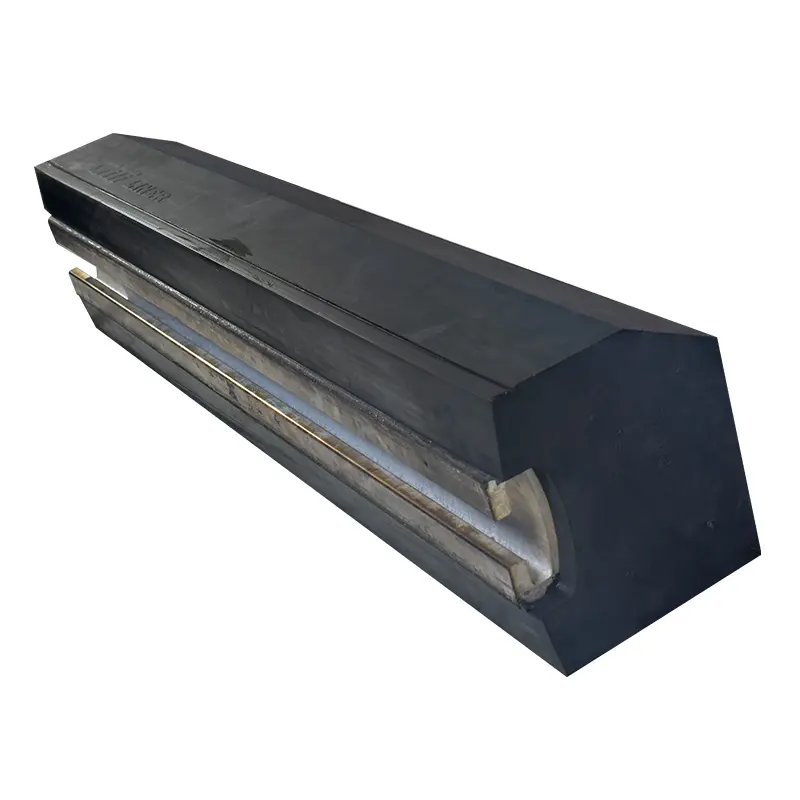 Media-Lifting Zone
 Lifter Bar / Lifter Plate
Control the lifting, cataracting and cascading of balls and ore. Height, angle, spacing and worn profile must match speed, filling and target particle size.
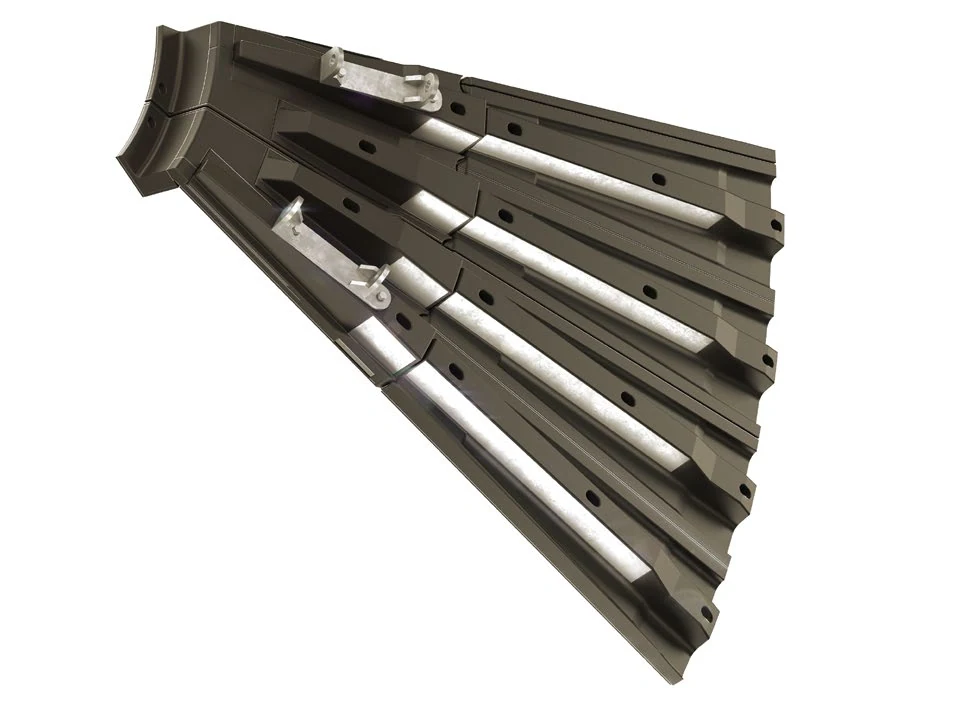 Feed End
 Feed-End Liner
Protect the feed head against fresh feed, grinding balls and circulating loads. Check segment geometry, centre opening, bolt holes and feeder connections.
Discharge End / Mill Head Discharge-End / Head Liners
Protect the discharge head and connect with the discharge system. Confirm overflow or grate discharge, central construction, segmentation and clearances to adjacent parts.
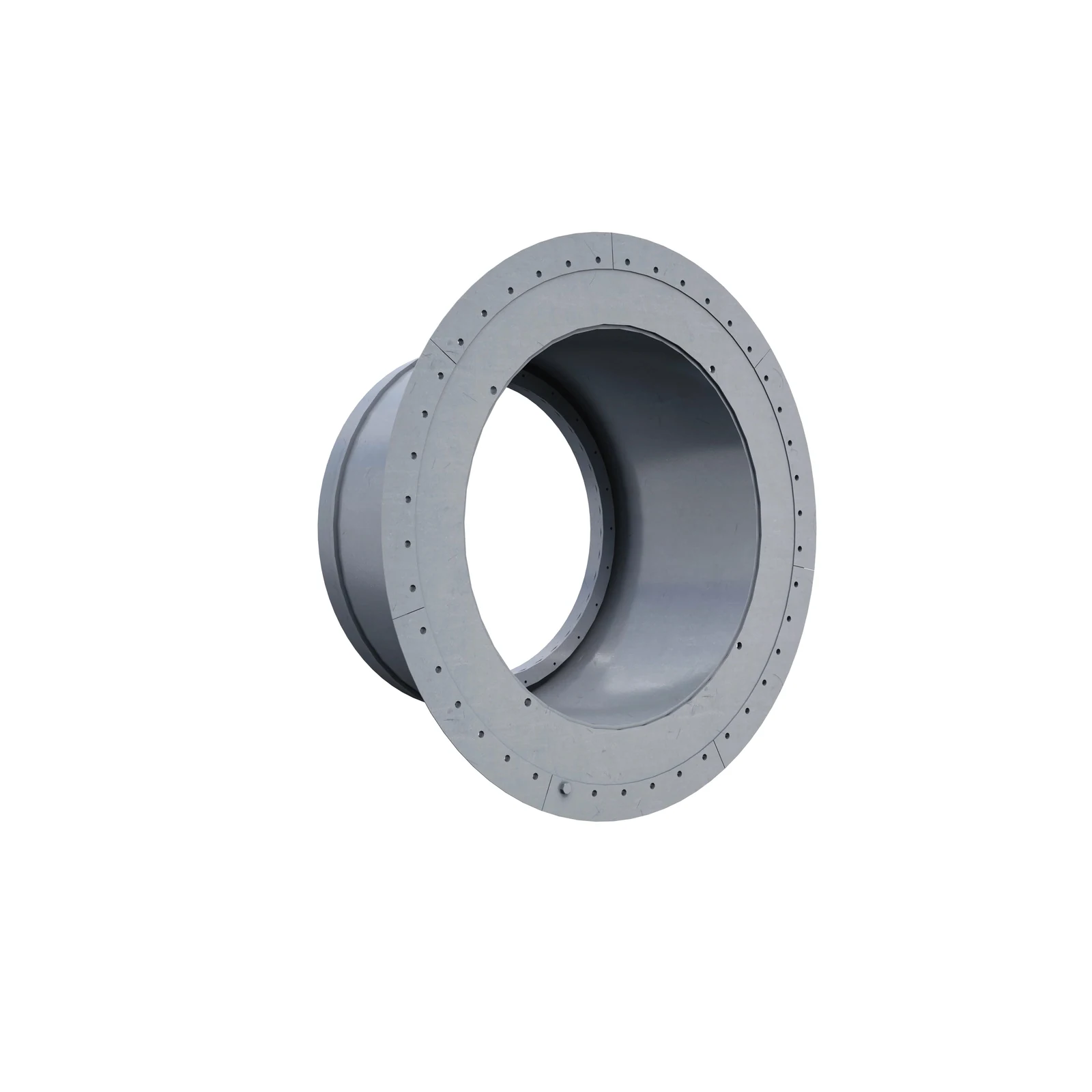 Feed and Discharge Trunnions
 Trunnion Liner
Separate ore or slurry from the trunnion body. Check inside and outside diameters, length, flanges, flow-guiding profile, fastening and sealing connections.
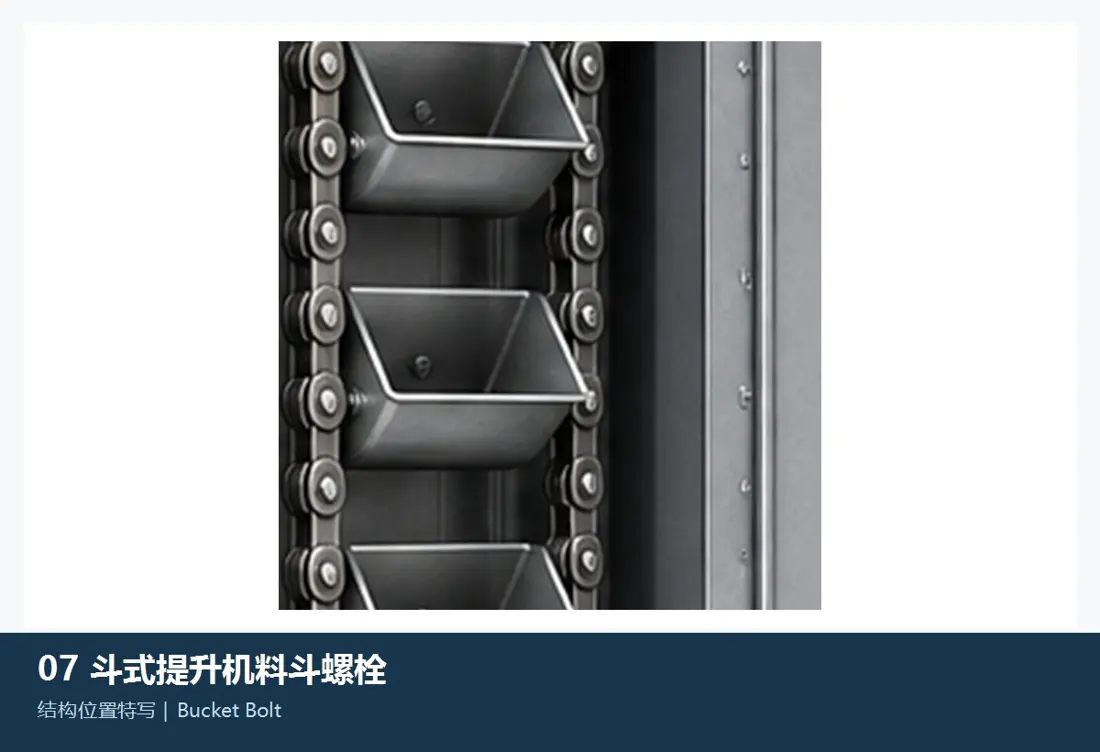 Complete Liner System
 Liner Bolts and Fastening System
Secure rotating liners and maintain sealing and preload. Check threads, grip length, head shape, washers, seals, lubrication and the method used to assess bolt elongation.
Grate-Discharge System
Use grates and pulp lifters only with the corresponding discharge arrangement
Overflow and grate-discharge ball mills have different discharge-end structures. Their discharge parts must not be assumed interchangeable.
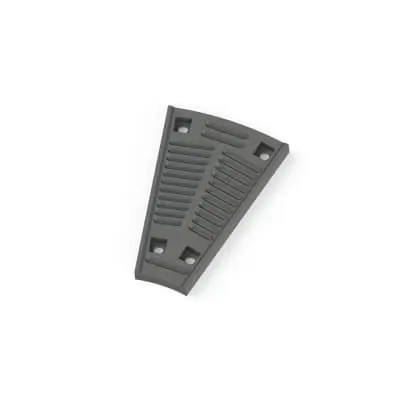 Grate-Discharge Configuration
 Discharge Grate
Control the passage of particles and slurry into the discharge chamber. Check slot size, open area, blockage risk, thickness and fastening against grinding-ball size and flow.
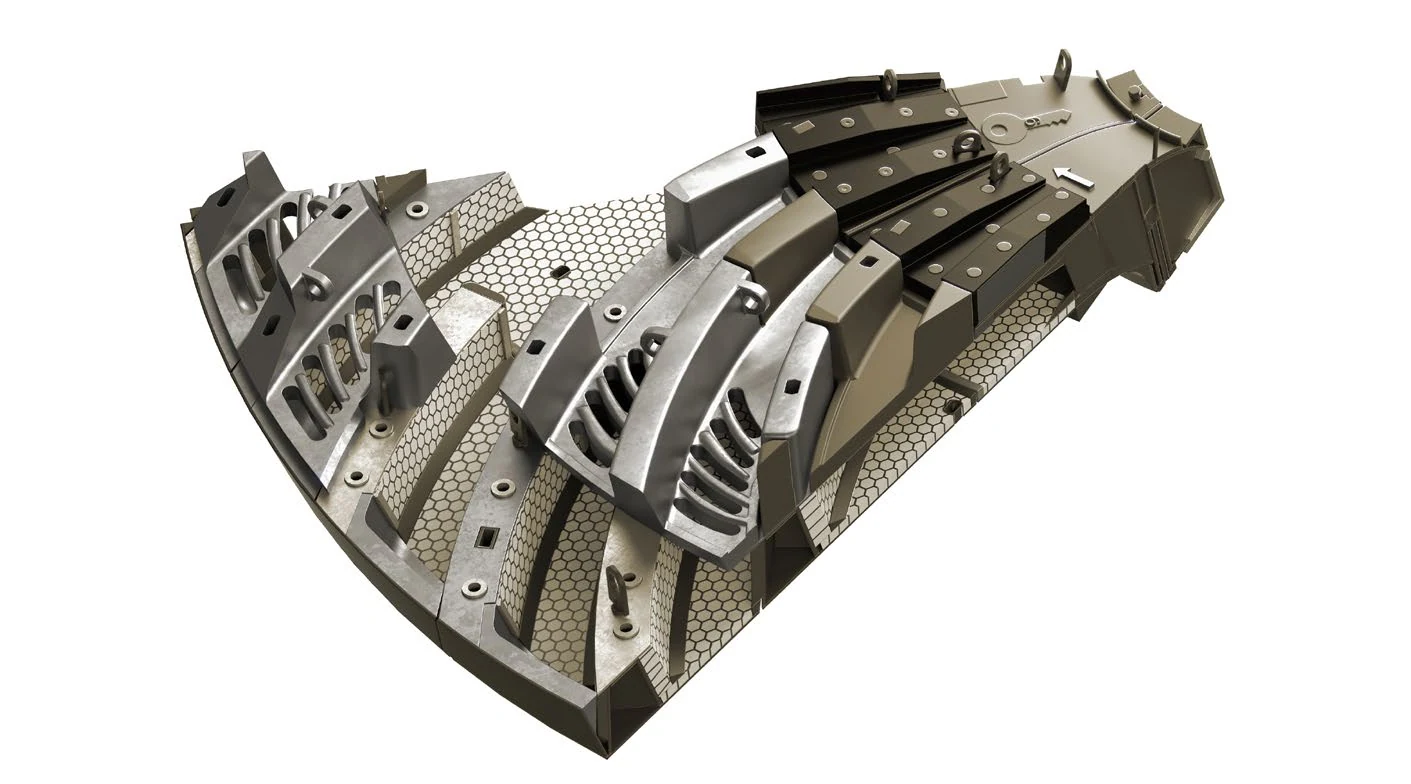 Behind the Discharge Grate
 Pulp Lifters
Guide slurry passing through the grates toward the trunnion. Check blade geometry, channel volume, rotation direction, adjacent clearances and lining construction.
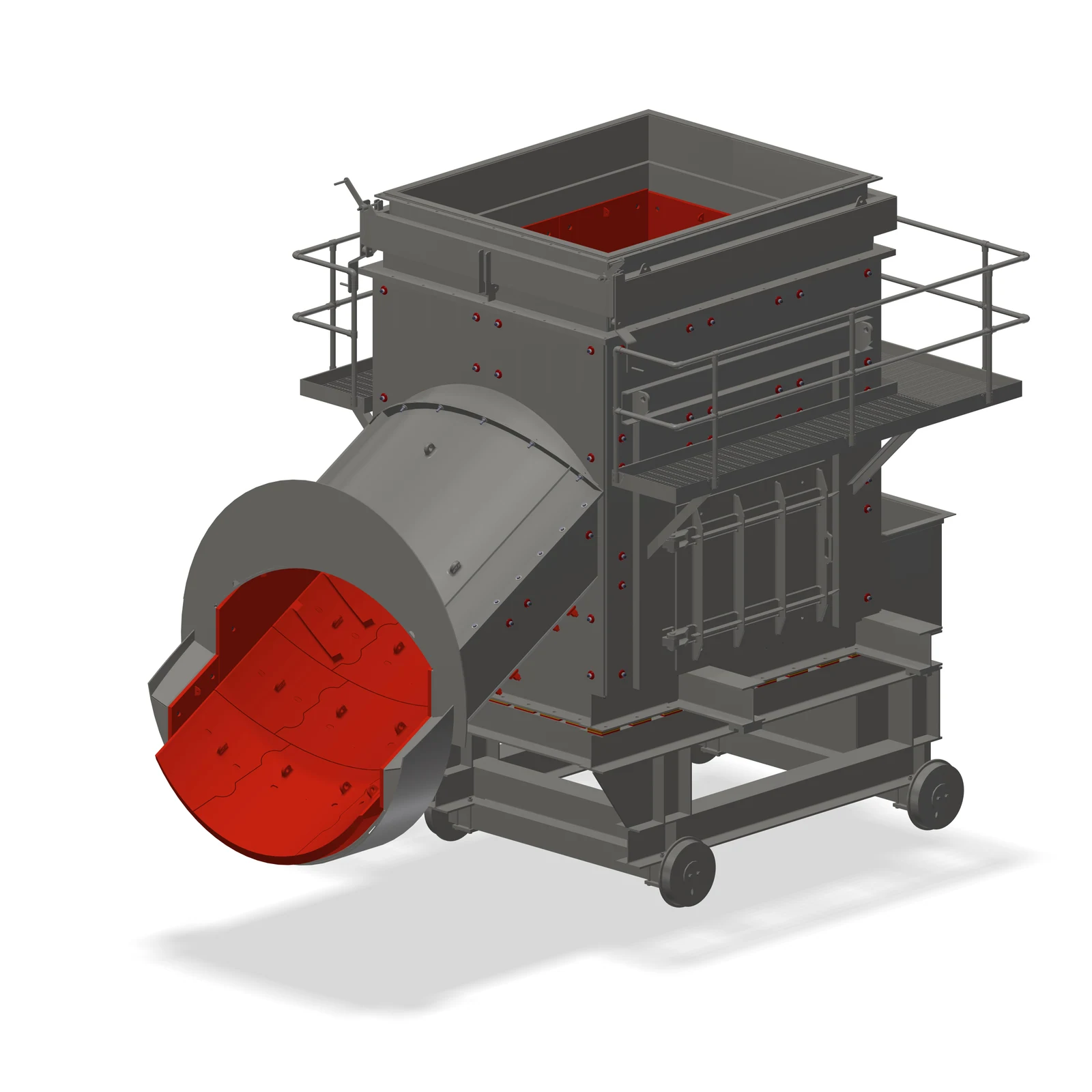 External Mill Discharge
 Discharge Chute Liners
Protect the external discharge passage. Select materials by zone using drop height, flow direction, particle size, slurry concentration, fastening and maintenance access.
Materials and Properties
Position, energy and maintenance targets determine the material system
These are candidate material families.
Manufacturer technical reference:Metso's published ball mill liner systems include metal, rubber, Poly-Met™ composites, Megaliner™ and Orebed™ for specific duties. Its material also distinguishes head, shell, discharge-system, trunnion-liner and trommel zones. Materials and trademarks belong to their respective owners; this page supports technical identification and replacement-part enquiries.Metso Mill Liners · Metso Grinding Mill Parts
Operating Conditions and Failure Modes
Wear profiles reveal more about system problems than a single hardness reading
Measure remaining thickness and profile changes in each zone to assess imbalance in impact, abrasion, discharge, fastening or media movement.
| Observed condition | Priority checks | Material and design considerations |
|---|---|---|
| Early lifter height loss and reduced throughput | Profile, spacing, speed, filling, balls, feed and worn contour | Improve profile retention, toughness and wear resistance; check the liner layout |
| Cracked or broken liners | Large-lump impact, backing support, hole positions, preload, casting defects and excessive hardness | Improve toughness and continuous support; check heat treatment, nondestructive testing and fastening |
| Blocked grates or insufficient discharge capacity | Slots, open area, ball size, broken balls, slurry concentration and pulp-lifter capacity | Optimise grates, pulp lifters and discharge passages together, rather than simply enlarging openings |
| Loose bolts and slurry leakage around holes | Grip length, washers, seals, lubrication, preload method, seating surfaces and liner fit | Restore the complete fastening and sealing system; track materials and preload records by batch |
| Uneven wear between head and shell liners | Uneven feed, discharge backflow, liner transitions, rotation direction and adjacent clearances | Coordinate materials and profiles by zone; check the transition between head and shell |
RFQ and Quality Control
Information for a ball mill liner-system quotation
Complete information defines the BOM, materials, manufacturing, inspection, installation sequence and supply scope.
Mill identification
OEM, full model, serial number, year of manufacture, shell inside diameter, effective length and rotation direction.
Discharge Arrangement
Overflow or grate discharge, head and trunnion construction, and grate and pulp-lifter configuration.
Drawings and dimensions
General assembly and liner-layout drawings, model details, hole positions, curvature, thickness, profiles and bolt system.
Grinding Parameters
Ore, feed size, abrasiveness, moisture, ball specifications, filling ratio, speed and throughput.
Current Material and Service Life
Material, hardness, weight, installation date, service life, remaining thickness, wear maps and failure photographs.
Acceptance and delivery
Material and properties, dimensions, nondestructive testing, weight, trial assembly, zone markings, BOM, fasteners and installation documents.
Related Equipment and Parts
Connect general ball mills, OEM models, individual liners and materials
General pages explain the system; OEM pages identify the series and drawing; individual part pages record positions, materials and enquiry requirements.
General Ball Mill Equipment Page Explore the machine structure, principal systems and related general-purpose parts. OEM Brands & Models Identify the installed machine by brand, series, model and historical configuration. General Liners and Wear Plates Compare liner functions and material options across equipment positions. Materials and Manufacturing Processes Select candidate material families from operating conditions, failure modes and manufacturing constraints.