
ROD MILL LINER SYSTEM
Rod Mill Liner Systems
Shell, heads, trunnions, chutes and grinding rods
Shell ZoneShell liners, lifter bars and fastening system
End ZonesFeed-end, discharge-end and trunnion liners
Grinding mediaGrinding rod diameter, length, material and charge
Discharge typeOverflow, end peripheral or centre peripheral discharge
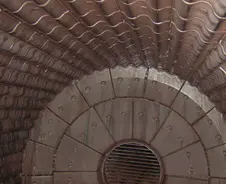
System scope Installed equipment identification OEM, complete model, serial number, shell dimensions and rotation direction Discharge Arrangement Overflow, end peripheral or centre peripheral discharge, head and trunnion interfaces Rod-charge parameters Rod diameter, length, charge, material, and records of broken or bent rods Grinding conditions Ore, particle size, abrasiveness, speed, throughput and target product
Confirm rod-charge motion and discharge structure together
Do not apply ball mill grate-discharge arrangements directly to rod mills. Public technical references list overflow, end peripheral and centre peripheral discharge, with different end structures and discharge passages.
Liners and flow-passage wear parts
Separate shell, head and trunnion components by position
Each product entry retains installation position, material, dimensions, drawing and operating-condition checks.
Shell Working Zone Shell Liners
Protect the shell and define the boundary for rod-charge rolling. Check curvature, thickness, holes, profile, spacing and worn contour.
Rod-charge lifting zone Lifter bars
Control rod lifting and rolling while avoiding excessive cataracting, rod crossing and end impacts. Check height, angle and spacing against mill operation.
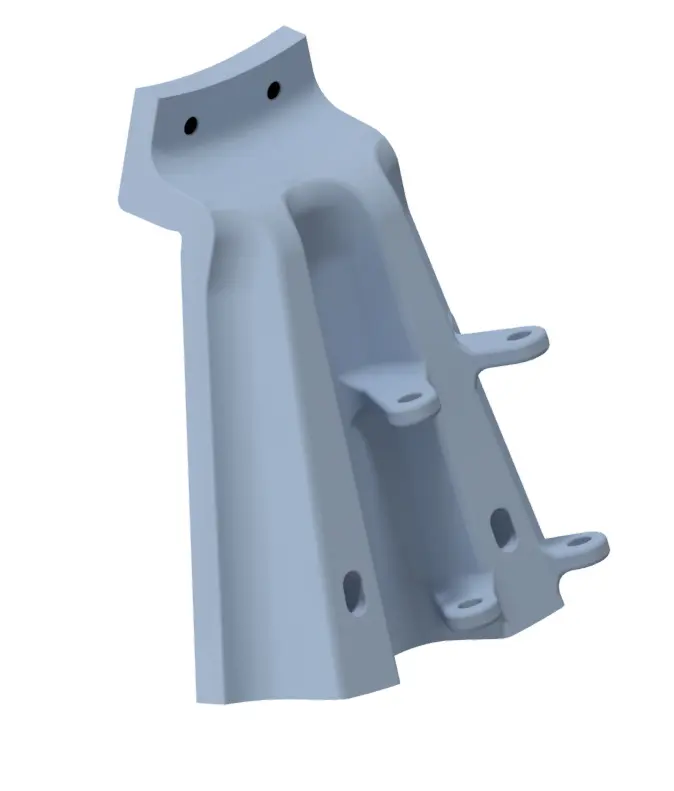 Feed End
 Feed-End Liner
Protect the feed head against fresh feed and rod-end loads. Check sector segments, centre opening, holes and feed structure.
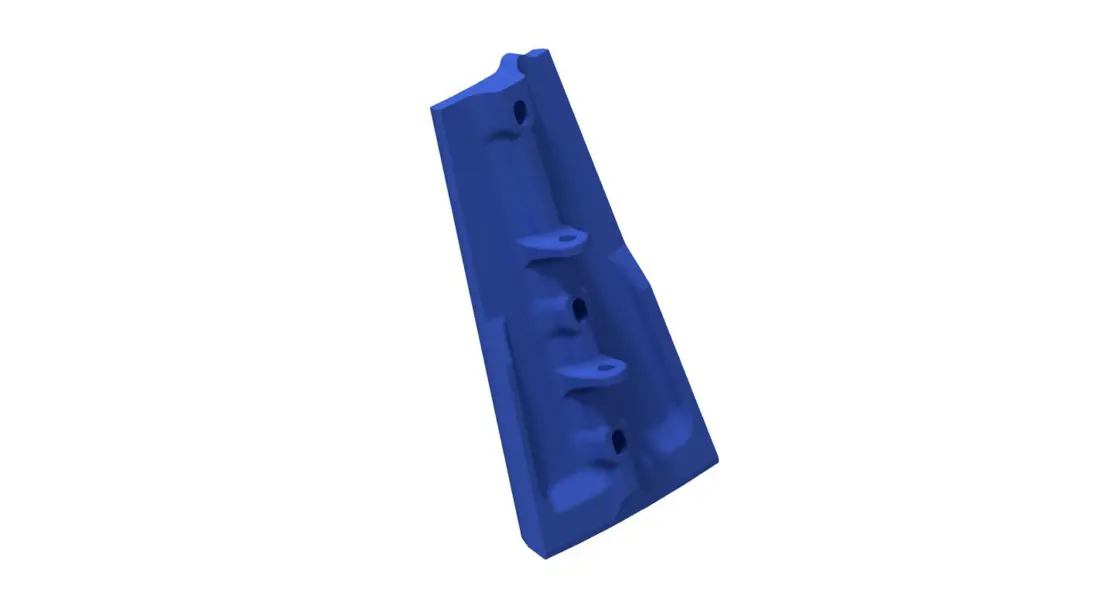 Discharge end
 Discharge-end liners
Protect the discharge end and connect to the specific discharge arrangement. Check overflow or peripheral discharge, openings, flow direction and adjacent components.
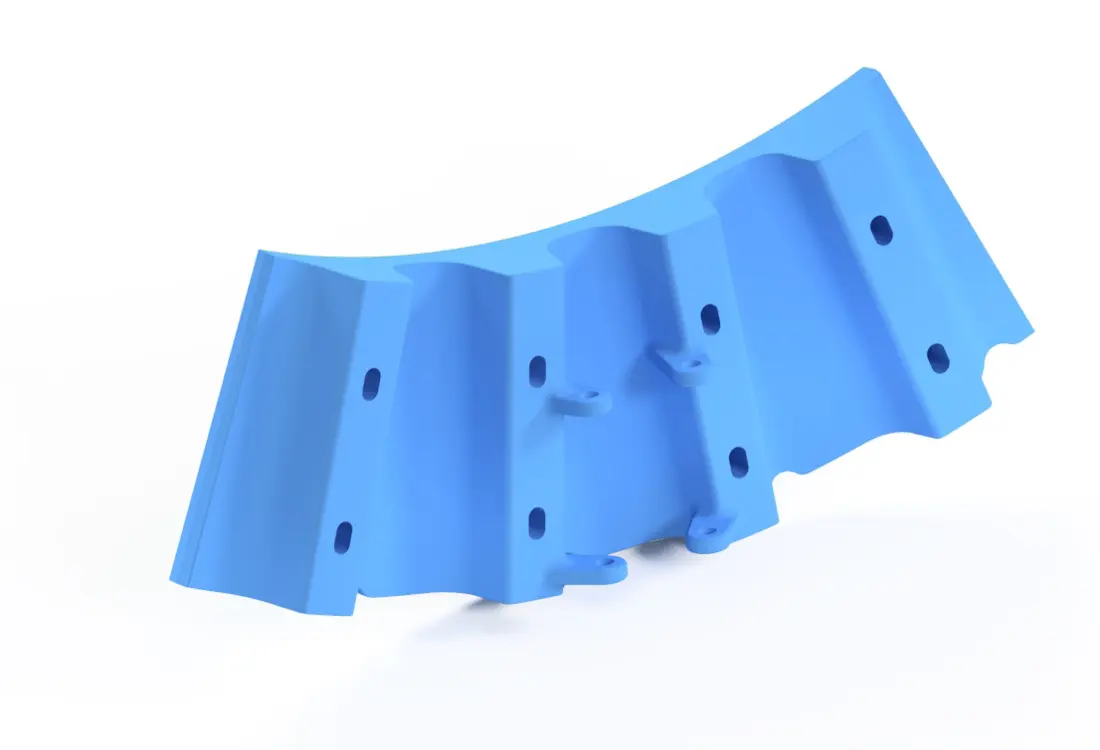 Rod-end impact zone
 Head liners
Rods can move laterally and strike the heads. Prioritise impact resistance, segment support, fastening and crack risk for head liners.
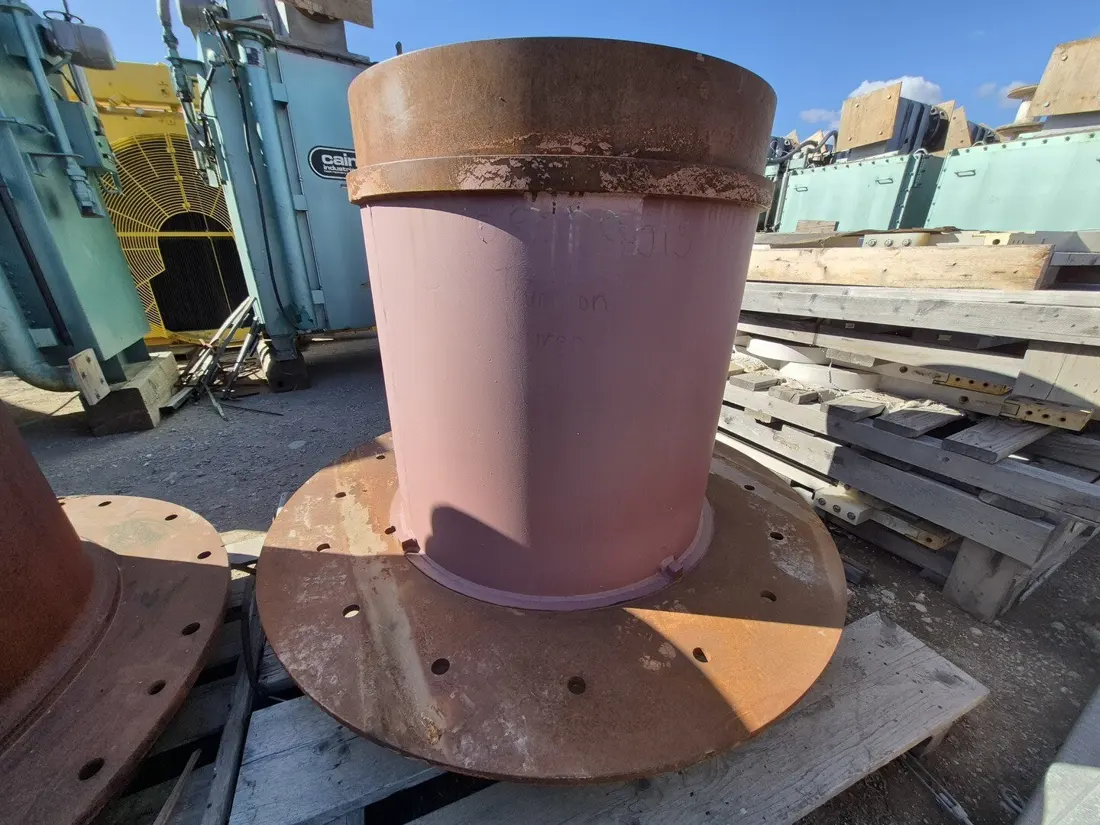 Feed and Discharge Trunnions
 Trunnion Liner
Separate ore or slurry from the trunnion body. Confirm fits, flanges, flow guidance, fastening and seal interfaces against installed dimensions.
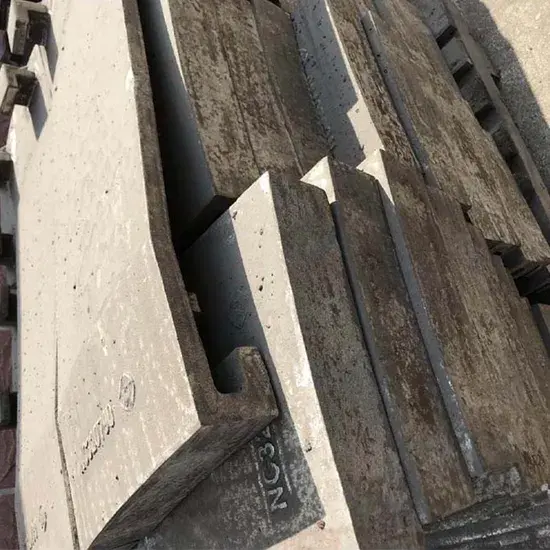 External feed passage
 Feed chute liners
Withstand feed drop, impact and sliding wear. Select materials according to trajectories, particle size, moisture, liner zones and maintenance space.
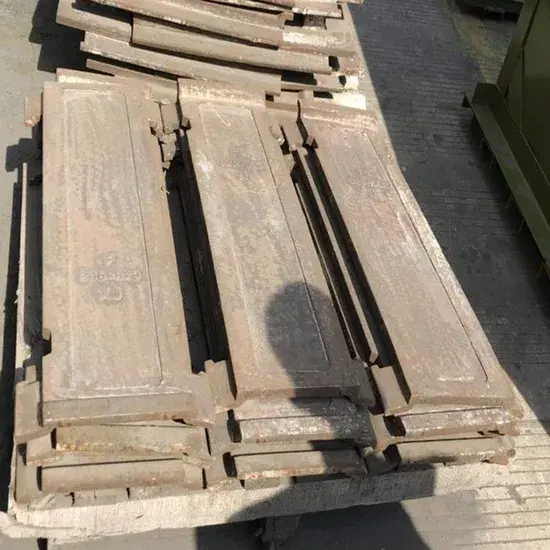 External discharge passage
 Discharge Chute Liners
Protect the discharge chute and maintain its passage. Check discharge type, flow rate, particle size, slurry, drop height and fastening method.
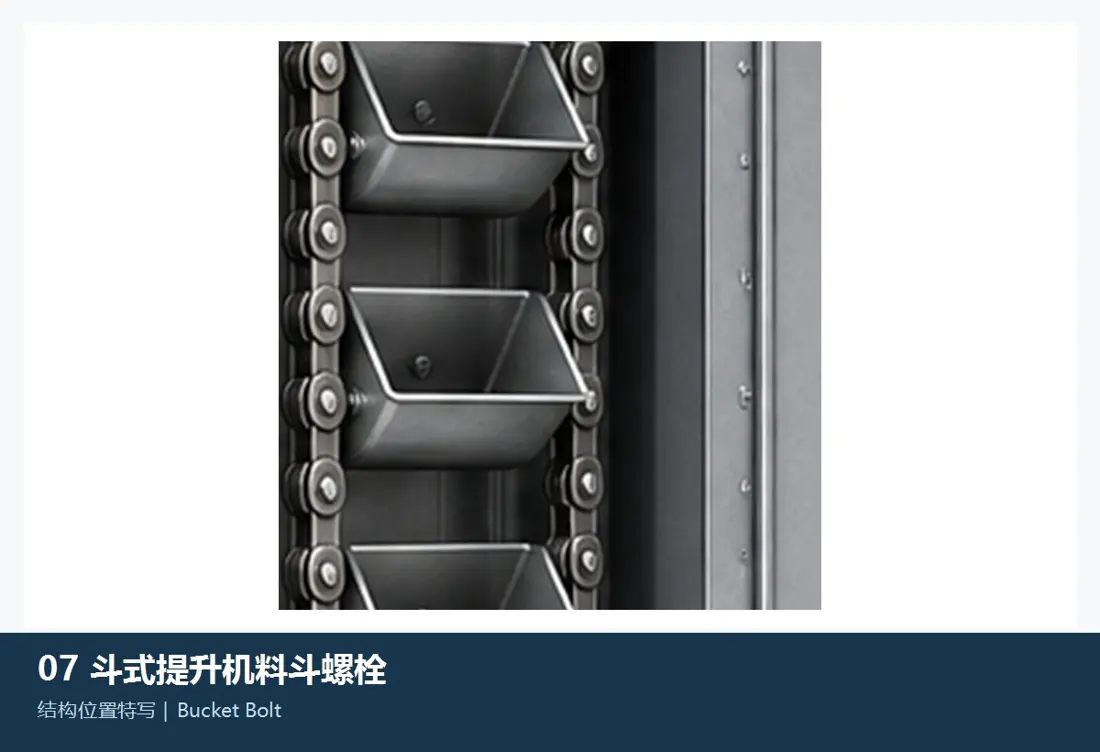 Complete Liner System
 Liner Bolts and Fastening System
Check the complete assembly for rotational fatigue, grip length, threads, head form, washers, seals, lubrication and preload method.
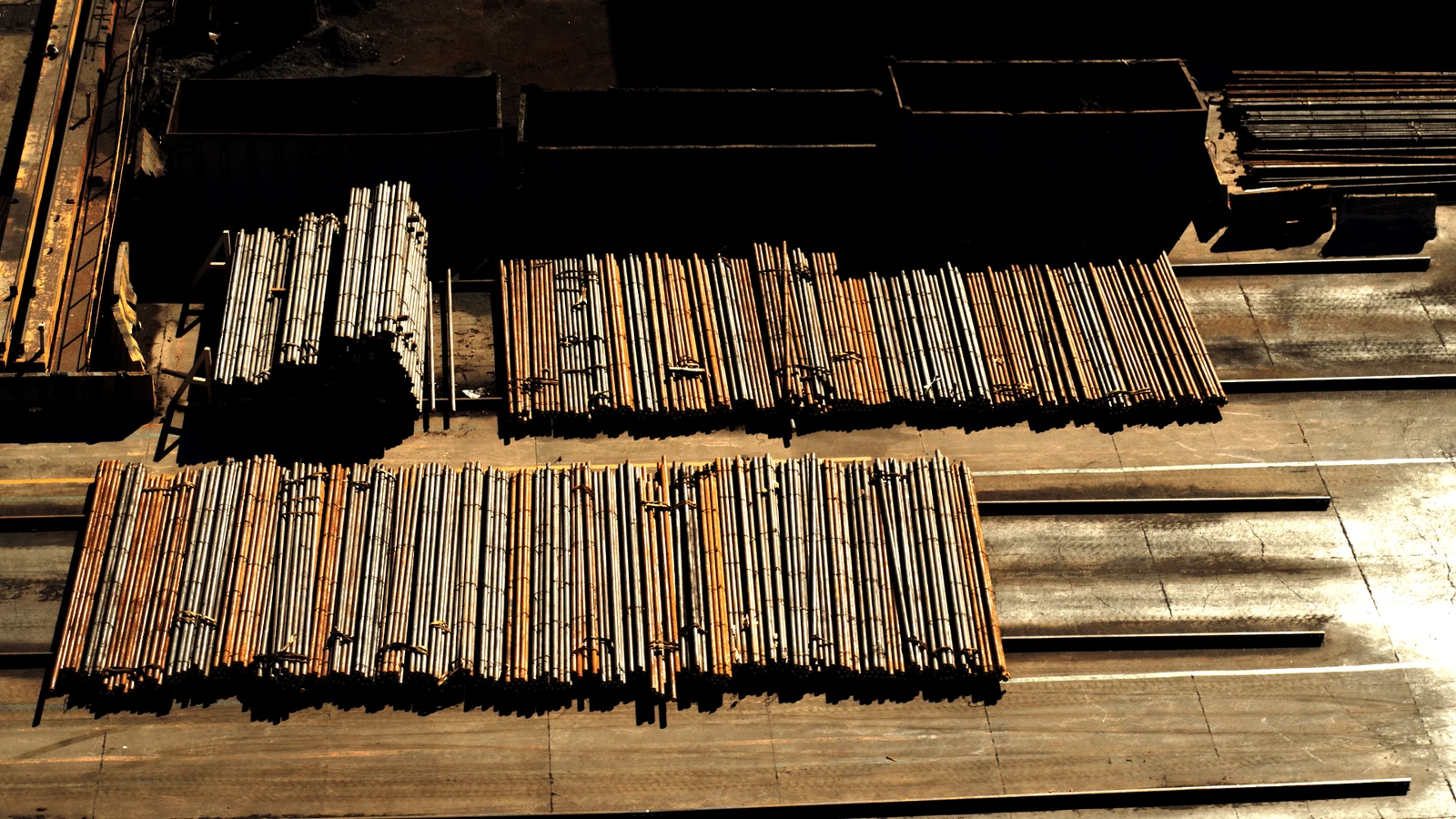
Grinding media Dimensions Diameter, length, ends, straightness and effective mill length Performance Strength, toughness, wear resistance, hardness distribution, and resistance to bending and fracture Operation Rod charge, speed, feed, replenishment programme and abnormal shutdowns Acceptance Material, dimensions, properties, surface, straightness and batch traceability
Grinding rods and steel rods
Grinding rods are not liners, but directly affect liner profile and wear. Enquiries require diameter, length, material or technical standard, straightness, hardness or performance requirements, charge, service life and rod-breakage records.
Position, Performance and Material
Distinguish shell wear resistance from head impact resistance
Material families support initial engineering selection. Confirm final grade, hardness, heat treatment and combinations against operating conditions and drawings.
Manufacturer technical reference:Metso lists rod mills among applications for metal, rubber and composite liners. It explains that rod mill shells usually face lower direct impact, while rods can strike the heads laterally, requiring greater impact resistance at the ends. Its mineral processing handbook lists overflow, end peripheral and centre peripheral rod mill discharge and states that grate discharge is not used.Metso Mill Liners · Metso Mill Liner Material Guide
Failure diagnosis
Inspect rods, liners, heads and discharge together
Replacing liners without addressing abnormal rod-charge or discharge behaviour often leads to repeated wear or fracture.
| Observed condition | Priority checks | Corrective approach |
|---|---|---|
| Grooved or wavy shell liner wear | Rod diameter mix, broken or crossed rods, profile, spacing, speed and feed | Adjust rod-charge management, liner profile and material wear resistance together |
| Head liner cracks or local impact pits | Lateral rod movement, rod length, end clearance, liner support, holes and preload | Improve head toughness and structural support; verify rod length and operation |
| Bent, broken or tangled rods | Material, heat treatment, straightness, rod diameter, replenishment, shutdowns and liner profile | Restore rod quality and operating practices rather than increasing surface hardness alone |
| Restricted discharge or fluctuating product size | Discharge type, passage wear, blockage, feed, rod charge and throughput | Restore head and trunnion passages to suit the specific discharge structure |
| Loose bolts or slurry leakage around holes | Grip length, seals, seating faces, preload, liner fit and shell holes | Restore the complete fastening system and record installation and retightening data |
RFQ and Quality Control
Rod mill liner system enquiry information
Use the information to define the liner BOM, grinding rods, materials, manufacturing, inspection and complete-set scope.
Mill identification
OEM, complete model, serial number, shell inside diameter, effective length, rotation direction and operating mode.
Discharge Arrangement
Overflow, end peripheral or centre peripheral discharge, with head, trunnion and external chute interfaces.
Drawings and dimensions
General assembly and liner layout drawings, drawing, holes, curvature, thickness, profiles and fasteners.
Rod charge and operating conditions
Rod diameter, length and charge, ore, particle size, abrasiveness, speed, throughput and product requirements.
Material and Service Life
Liner and rod materials, heat treatment or hardness, service life, remaining thickness, broken rods and failure photos.
Acceptance and delivery
Material properties, dimensions, non-destructive testing, straightness, weight, trial assembly, zone markings, BOM and traceability.
Related Equipment and Parts
Related rod mills, OEM models, liner products and materials
Equipment pages explain structure, OEM pages identify models and drawing, and product pages maintain positions, materials and enquiry fields.
General rod mill equipment page Review machine structure, discharge types and core components. OEM Brands & Models Check brand, series, complete model and historical configuration. General Liners and Wear Plates Compare performance and material options at different equipment positions. Materials and Manufacturing Processes Select material families by operating conditions, failure modes and manufacturing constraints.