
01
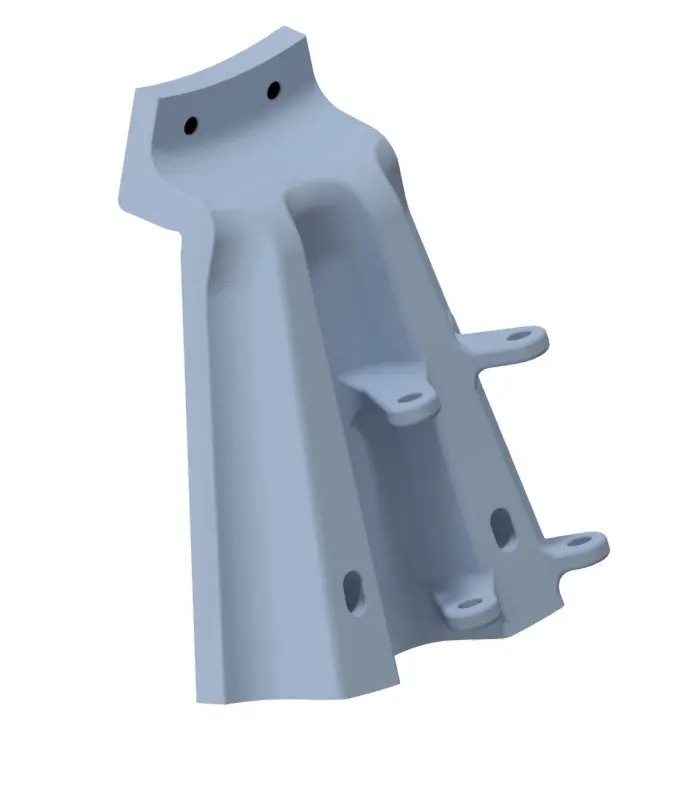
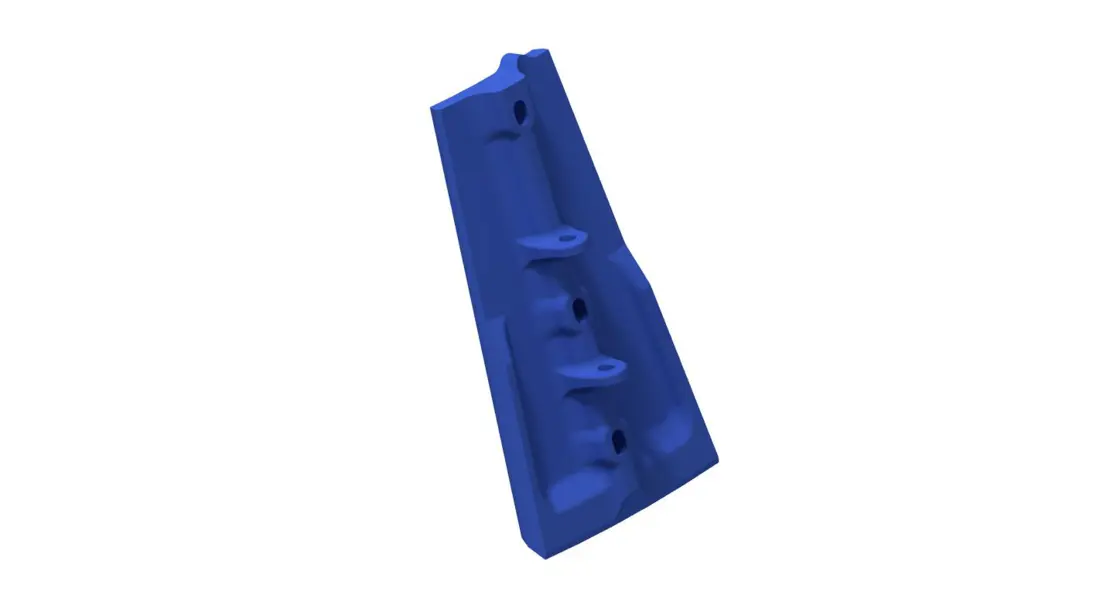
Shell Liner / Shell Plate
Shell Liners
- Installation Position
- Inner Shell Wall
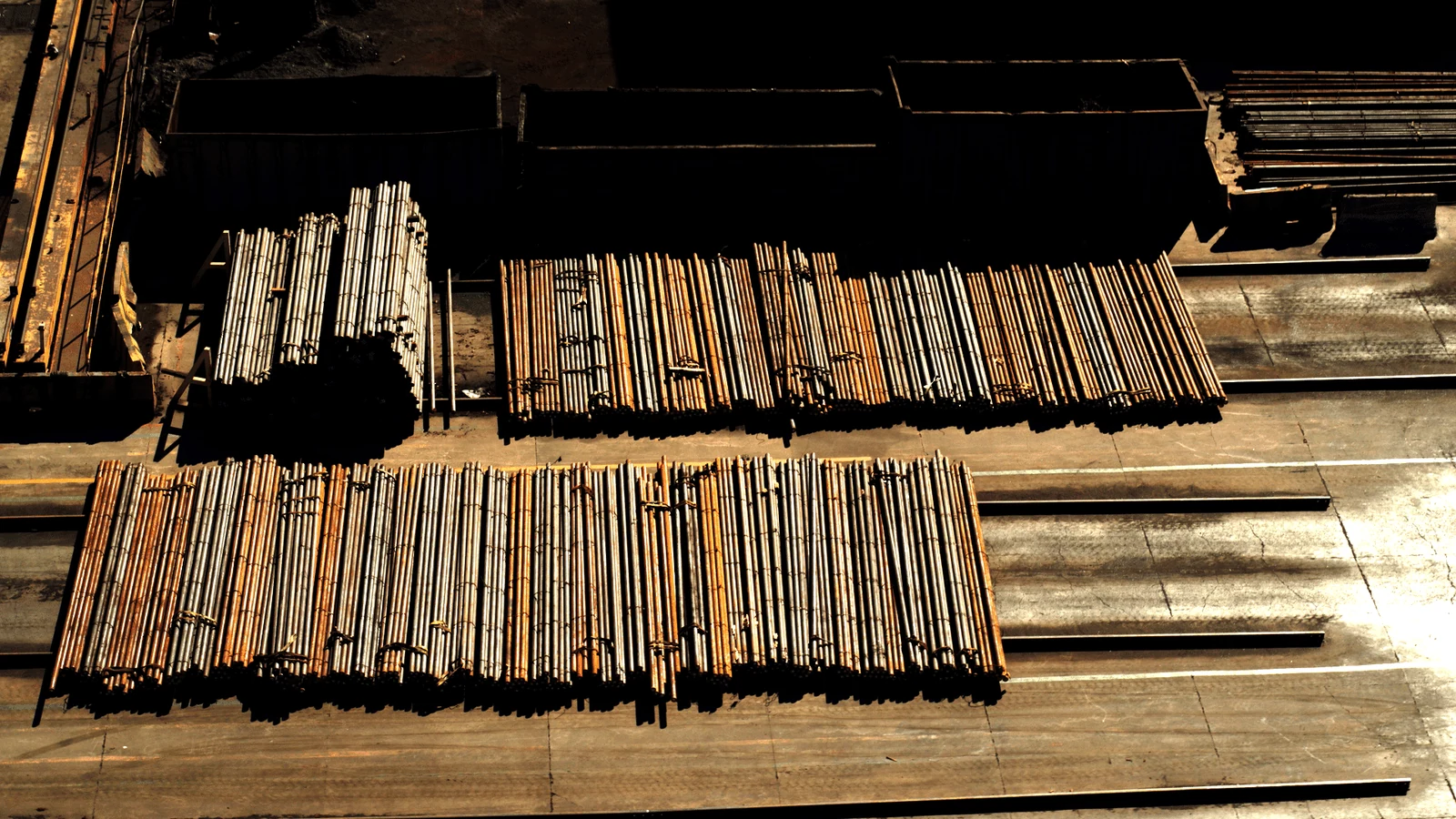
A rod mill uses parallel steel rods as grinding media. Rotation of the shell causes the rods to roll, slide and cascade, selectively grinding the ore. Compared with ball mills, rod mills can generally produce a more uniform size distribution with less overgrinding. Principal consumables include shell and end liners, material passage liners and grinding rods.
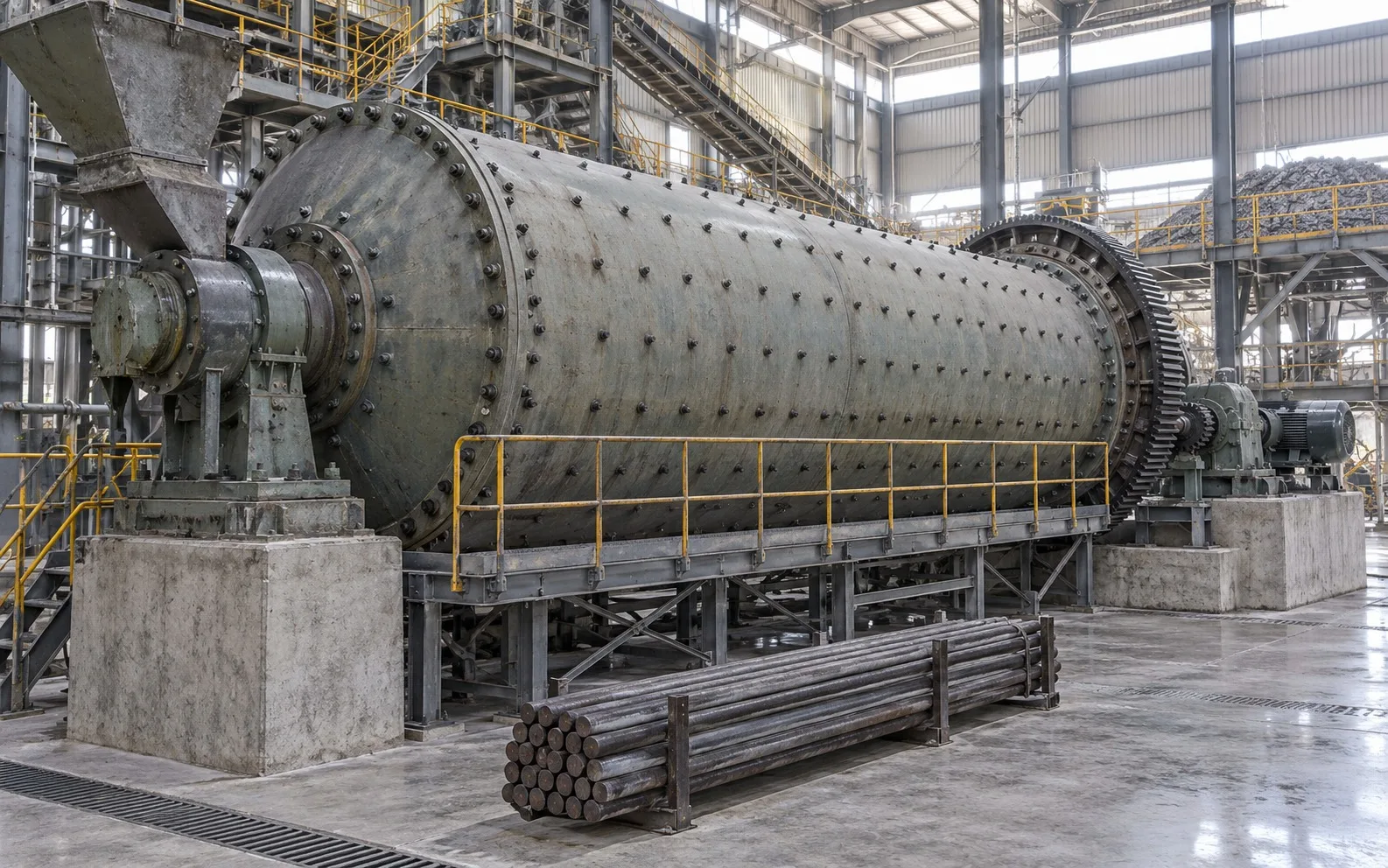
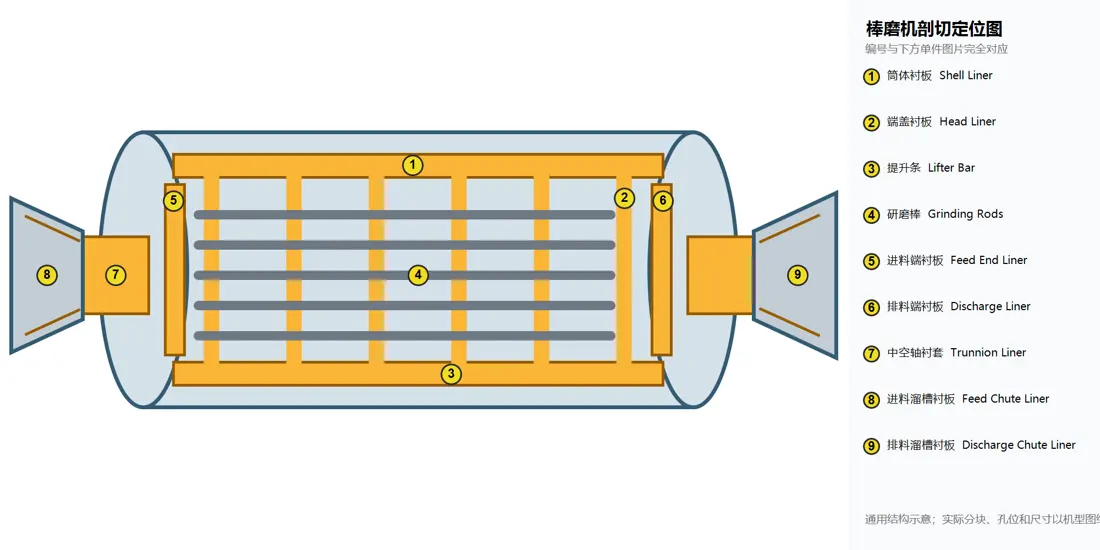
A rod mill uses parallel steel rods as grinding media. Rotation of the shell causes the rods to roll, slide and cascade, selectively grinding the ore. Compared with ball mills, rod mills can generally produce a more uniform size distribution with less overgrinding. Principal consumables include shell and end liners, material passage liners and grinding rods.
Explore part names, images, material options and technical requirements. Select a card to open the corresponding replacement part page.
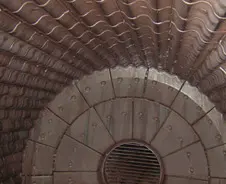
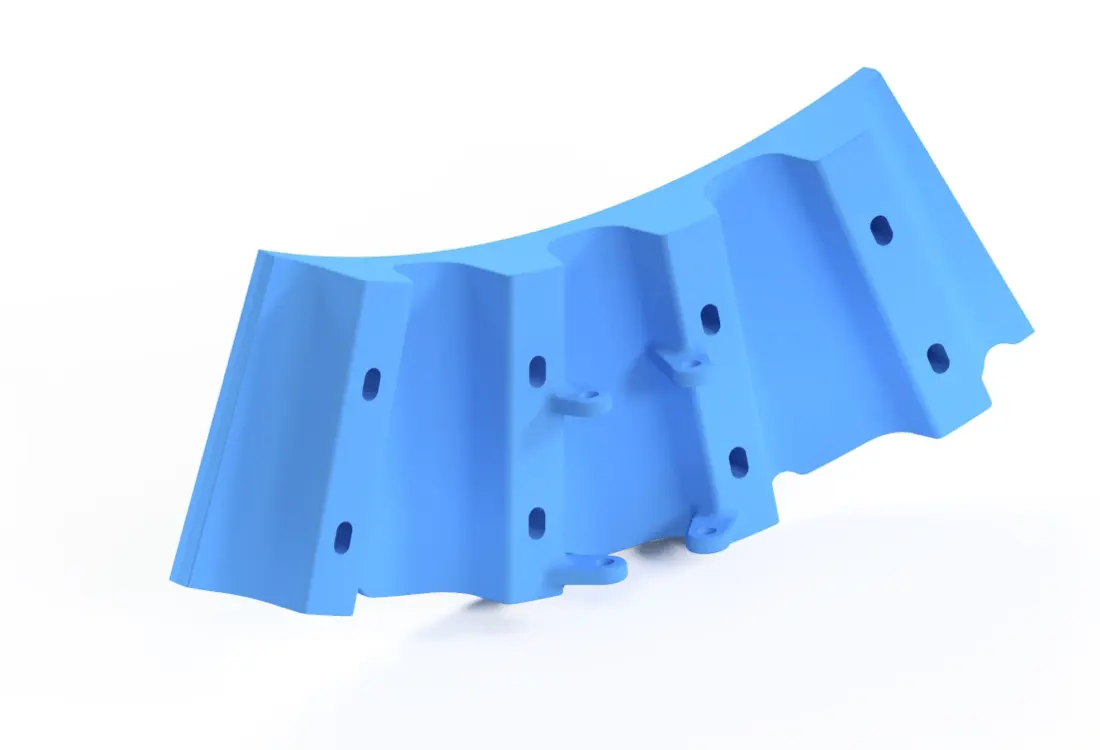
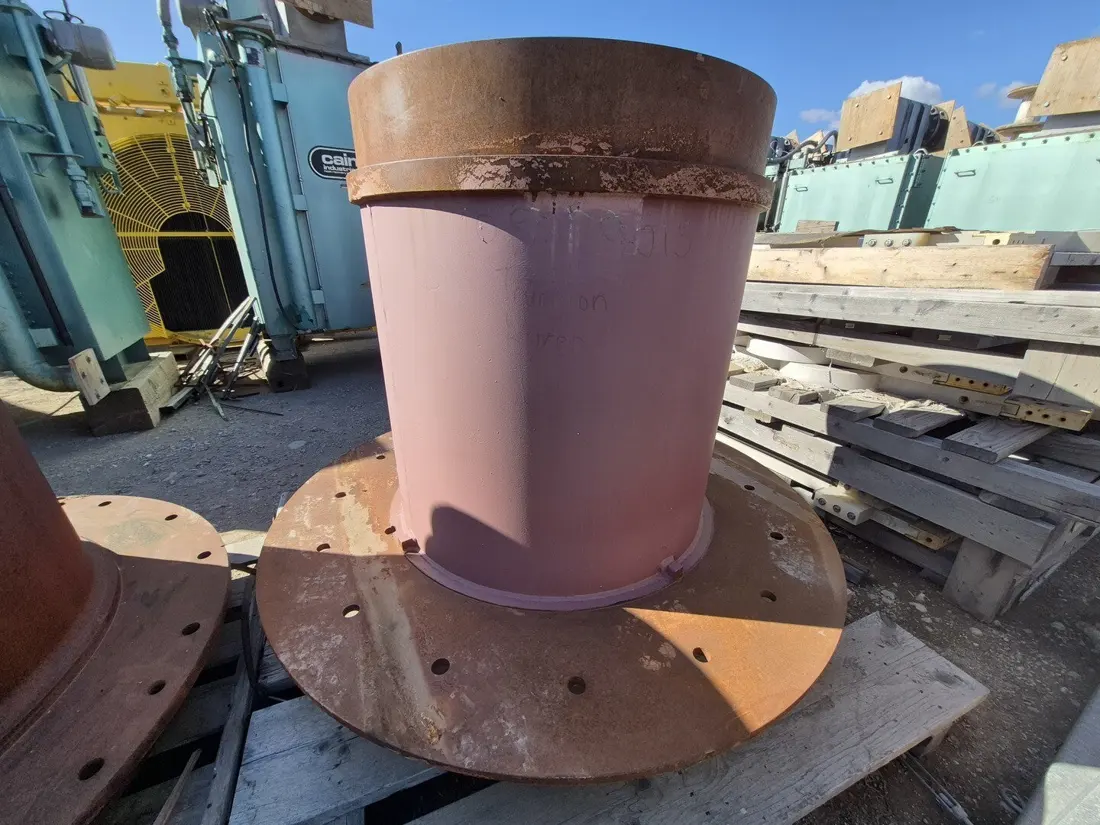
End Liner
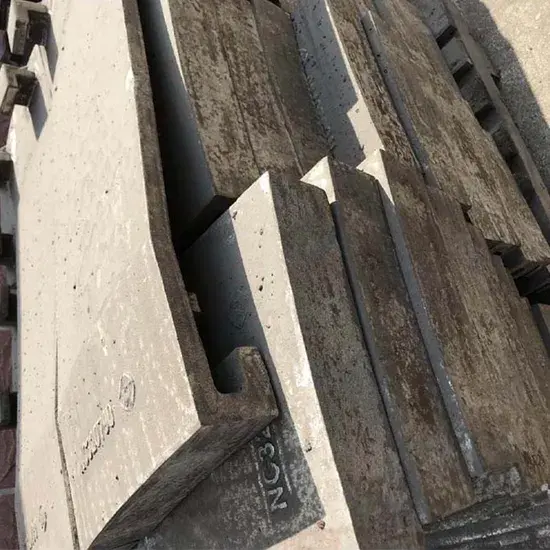
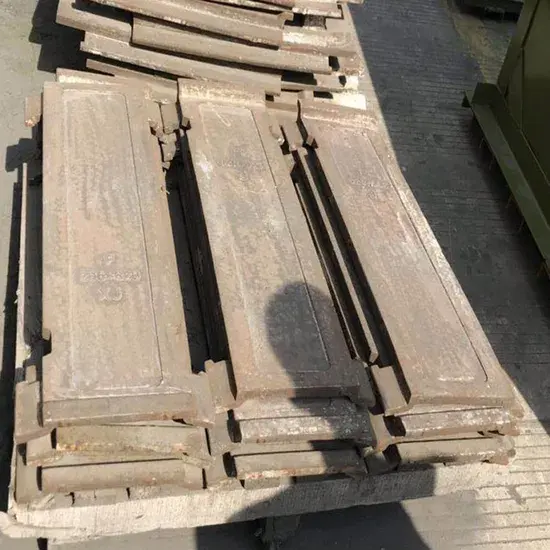
Materials for similarly named parts may differ by OEM, machine model and operating conditions. Confirm the machine model, drawing and measured dimensions before ordering or manufacture.
Confirm discharge type, effective length, liner profile and rod specification. Check rod length, straightness and quality separately from liner lift, fastening and discharge interfaces. A ball- or SAG-mill package is not automatically a rod-mill liner set.
No. Confirm the actual internal and discharge design.
Provide the machine model, operating conditions and target service life so our engineers can recommend materials and prepare a quotation.
Or contact us directly: +86 156 3797 3199
zzx@anranst.com
ANRANST provides customers worldwide with engineering assessment, production at certified foundries to the customer technical requirements, quality control and finished-part delivery for custom wear parts and industrial spares, with scope to support other custom industrial parts.
We review mating surfaces and interface dimensions and assess material, heat treatment and manufacturing feasibility.
Material grades and heat-treatment processes are specified order by order, stated in the technical agreement and tracked through production.
Drawing confirmation, material and process control, production tracking, inspection and acceptance coordination.
We coordinate manufacturing, quality confirmation, packaging and delivery of complete finished parts in a workable, closed-loop supply process.
Provide the equipment brand, complete model and serial number, part name, part number or drawing number, drawing revision, quantity, material requirements and duty. If identifiers are unavailable, send photographs and key dimensions.
Submit an Enquiry