
Grinding media
Grinding Media
Steel Balls, Grinding Rods and Ceramic Media
Grinding media directly reduce ore size. Select shape, size, material, hardness and toughness for the mill type, feed size, ore abrasiveness, wet or dry conditions and target product size.
Main ProductsSteel balls, grinding rods, high-chromium cast balls, ceramic beads and ceramic balls
EquipmentSAG, Ball, Rod, Tower and Stirred Mills
Key ParametersSize, material, hardness gradient, toughness, wear and breakage rate
Identification requirementsMill, media charge practice, ore, operating conditions and quality agreement
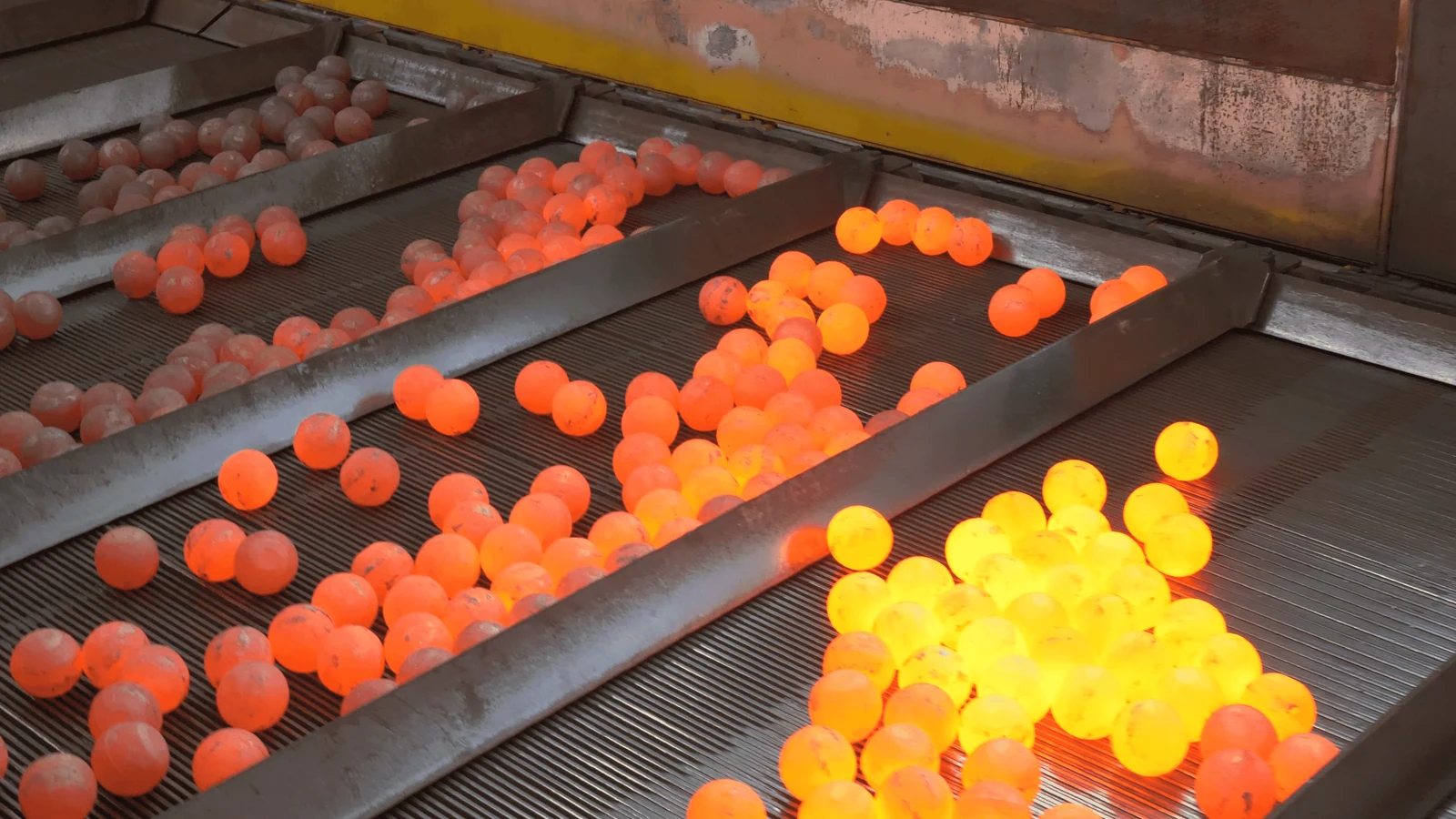
Product ScopeShape Balls, rods, short cylinders/cylpebs, ceramic beads or ceramic balls Equipment Select separately for horizontal and stirred mills Failure Modes Wear, breakage, spalling, loss of roundness and corrosion Acceptance Dimensions, chemistry, hardness, internal quality and batch traceability
Specify Grinding Balls for the Application
Forged or rolled steel balls, high-chromium cast balls, rods and ceramic media use different materials and manufacturing processes. Large-ball impact in SAG mills, cascading and cataracting in ball mills, line-contact rod grinding and fine-grinding abrasion in HIGmill impose different media requirements.
State the application and operating conditions in the enquiry. Reliable material and heat treatment selection requires mill, ore, ball charge and failure details in addition to diameter.
Part Details
Explore Grinding Media by Equipment
Explore each media type in detail, then specify material and size for the mill and operating conditions.
Ball Mill Steel Balls / Grinding Media
For cascading, cataracting and abrasive grinding in ball mills. Check ball size distribution, charge, material, hardness and wet or dry operation.
Rod Mill Grinding Rods
For line-contact grinding in rod mills. Check diameter, length, straightness, material, heat treatment, and risks of breakage and bending.
E-type Mill Grinding Balls
Part of the E-type mill grinding set, not interchangeable with bulk ball mill media. Match the equipment model, mating grinding rings and original dimensions.
Material Options
Three Main Material Families
Use the material family for initial selection. Define final chemistry, hardness, heat treatment and acceptance requirements in the order specification.
Equipment Matching
Match Media Type to the Mill Design
Use these options to guide selection; suitability depends on the specific installation.
| Equipment | Typical Media Options | Required Checks |
|---|---|---|
| SAG Mill | Autogenous ore grinding assisted by steel balls | Feed, ball size, impact, charge practice, liners and discharge design |
| Ball Mills | Steel balls or high-chromium cast balls; pebble mills use natural or ceramic media according to design | Mill diameter, speed, ball size distribution, wet/dry operation, slurry chemistry and target size |
| Rod Mill | Steel Grinding Rods | Rod diameter, length, straightness, filling, feed and overgrinding control |
| Vertimill / Tower Mills | Steel or other specified media according to the installed design | Model, permitted media, size, density, wear and media handling system |
| HIGmill / SMD | Fine Ceramic Media | OEM media range, size, density, grinding tests, slurry and product size |
Inquiries and Quality Control
Define the Grinding Media Specification
The same nominal size can require different materials, processes and acceptance criteria.
Mill Details
OEM, model, shell dimensions, speed, power, liners and discharge arrangement.
Ore and Process
Feed and product size, ore hardness and abrasiveness, wet/dry grinding, slurry pH and water quality.
Media Charge Practice
Current material, shape, size distribution, filling, make-up practice and specific consumption.
Failure Data
Breakage, spalling, loss of roundness, corrosion, wear curves and abnormal batch records.
Batch Inspection
Chemistry, dimensions, surface and core hardness, microstructure, internal quality and specified tests.
Traceability and Delivery
Heat and heat-treatment batches, sampling records, packaging, corrosion protection, weight and delivery identification.
Lining selection: Metso's horizontal mill and HIGmill information distinguishes steel balls, rods and ceramic media. Magotteaux lists cast, forged, high-chromium, rod and ceramic media ranges. Specify orders against the customer's equipment, test results and agreed technical requirements. Metso HIGmill · Magotteaux Grinding Media · ME Elecmetal Grinding Media
Related Equipment and Parts
Equipment, Media and Materials
Explore equipment or materials to find detailed media specifications and quotation requirements.