
Cutting edges, scraper blades & cleaners
Industrial Cutting Edges, Blades and Cleaners
Working parts for cutting, scraping, cleaning and roll maintenance
Cutting edges penetrate material; scraper blades move or level it; cleaners remove material adhering to belts or rolls; and paper machine doctor blades maintain roll surfaces and sheet handling. Similar-looking edges perform different functions and require their own materials and contact settings.
Main ProductsCutting edges, scraper blades, cleaner blades, conveyor flights and doctor blades
Key geometryEdge angle, contact line, mounting holes, thickness, straightness and segmentation
Material FamilyWear-resistant steel, carbide, polyurethane, polymers and composites
Identification requirementsEquipment, position, drawing, mating surface, feed and failure records
Product ScopeWorking edge Angle, width, straightness, tip material and permissible wear Mounting Hole pattern, clamping, preload, orientation, segmentation and adjacent parts Contact Pressure, speed, temperature, mating-surface material and permissible surface damage Operating Conditions Feed, particle size, adhesion, corrosion, impact and foreign objects
Classify products by working function and mating surface
This page groups parts by cutting, drag conveying, cleaning and roll-doctoring functions. During selection, distinguish the working part from adjacent adjustment, clamping, protection and tensioning parts.
Blades also work with holders, tensioners, loading mechanisms, support beams and mating surfaces. Define whether the delivery covers an individual blade or a complete cleaner or doctor assembly.
Cutting and Levelling
Mining, milling, loading and industrial blades
Cutting tools and rear scraper blades are separate parts. Cutting teeth are covered in the teeth product category.
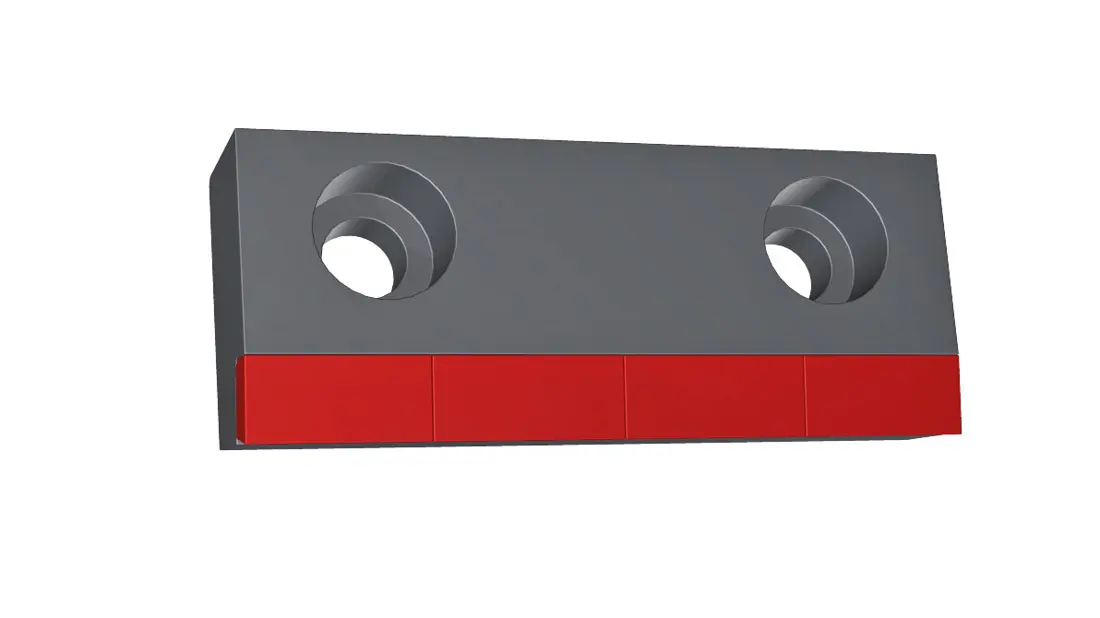
Surface Miner Scraper Blades
Located behind the cutting drum to level or gather cut material. These are separate from carbide cutting tools mounted on the drum.
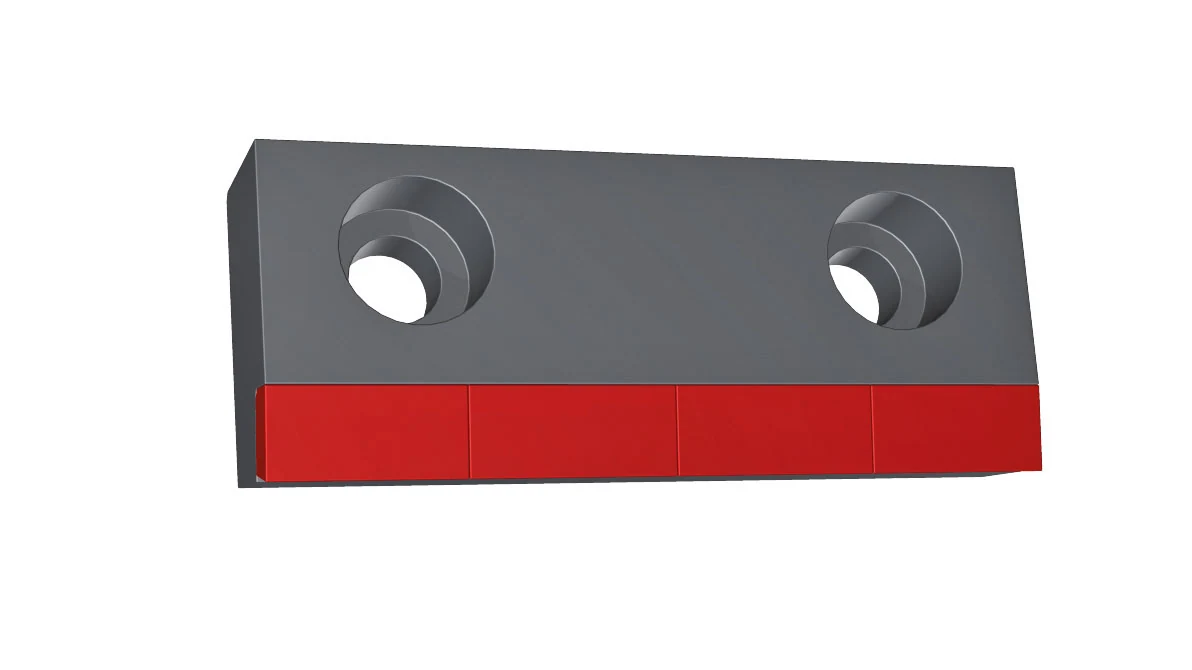
Cold Planer Rear Scraper Blades
Seal the milling chamber and clean the milled surface. Check working width, segmentation, edge profile, guides and lifting arrangement.
Bucket Cutting Edges / End Bits
Protect the bucket base edge and penetrate material. Bucket teeth, adapters and lips are adjacent but separate GET parts.
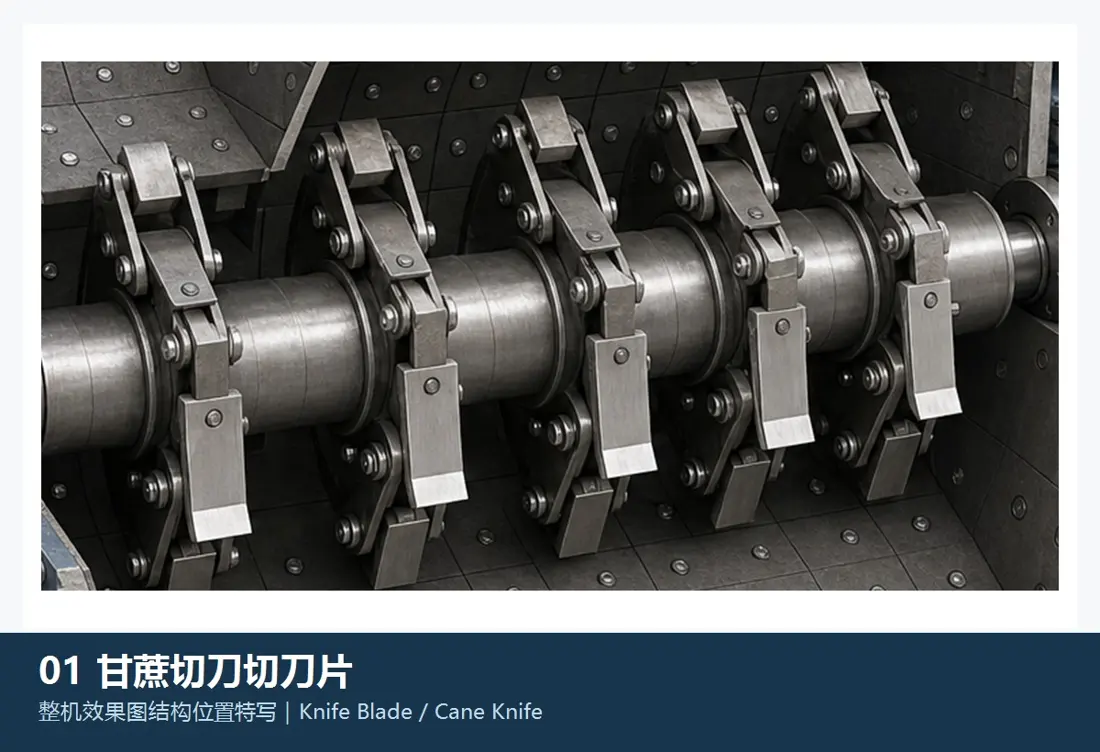
Sugarcane Cutter Knives
Mounted on high-speed rotors to cut cane. Check hole patterns, weight, rotor balance, cutting edges and fibrous feed with contaminants.
Scraping and Cleaning
Working parts for conveyors, rolls and troughs
Flexible cleaner blades, metal scrapers and heavy-duty flights require more than a visual match.
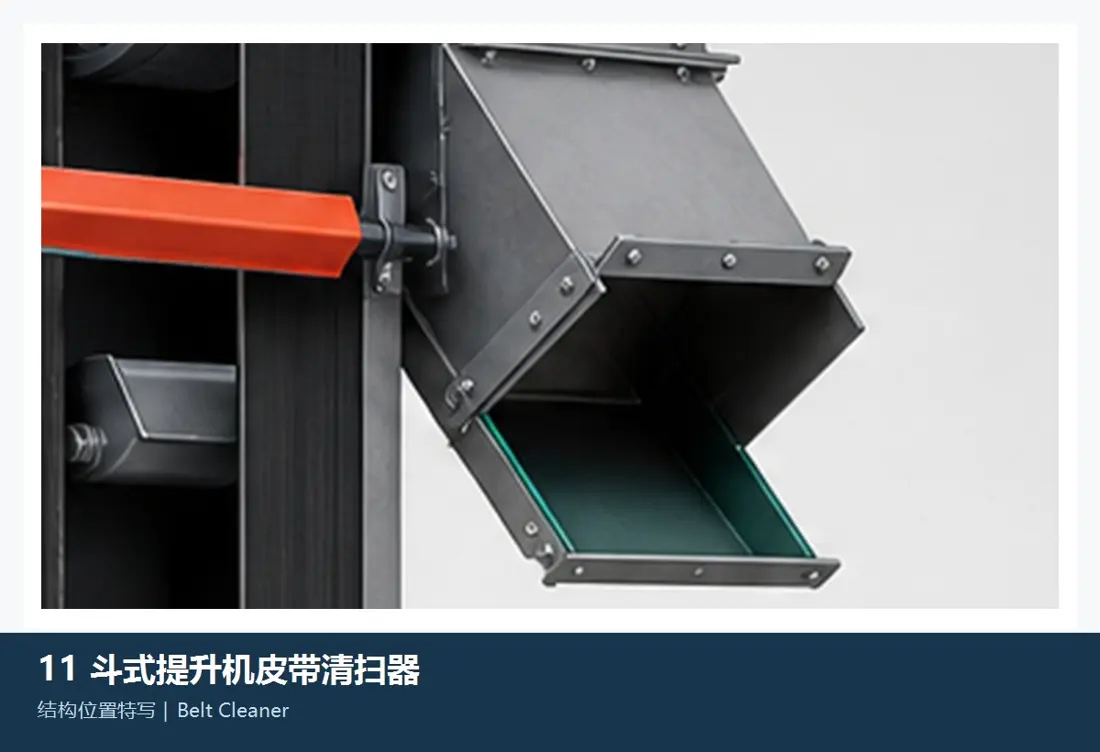
Conveyor Belt Cleaner Blades
Remove carryback using controlled pressure. Check belt width, speed, splice, primary/secondary cleaner position and tensioner.
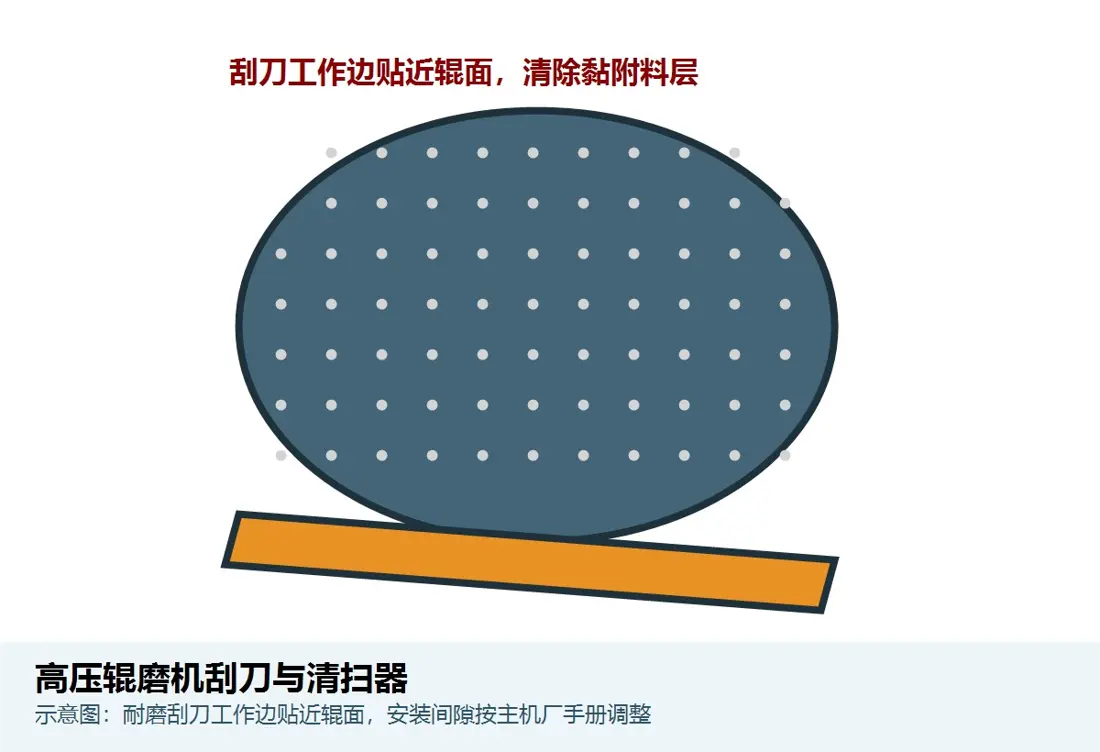
HPGR Roll Scrapers / Cleaners
Clean adhering material on specific roll or equipment designs. Check roll clearance, pressure, studs or lining, and side structures together.
Roll Crusher Scrapers / Cleaning Plates
Remove adhering material from rolls. Check surface geometry, clearance, yielding arrangement, feed moisture and foreign-object risk.
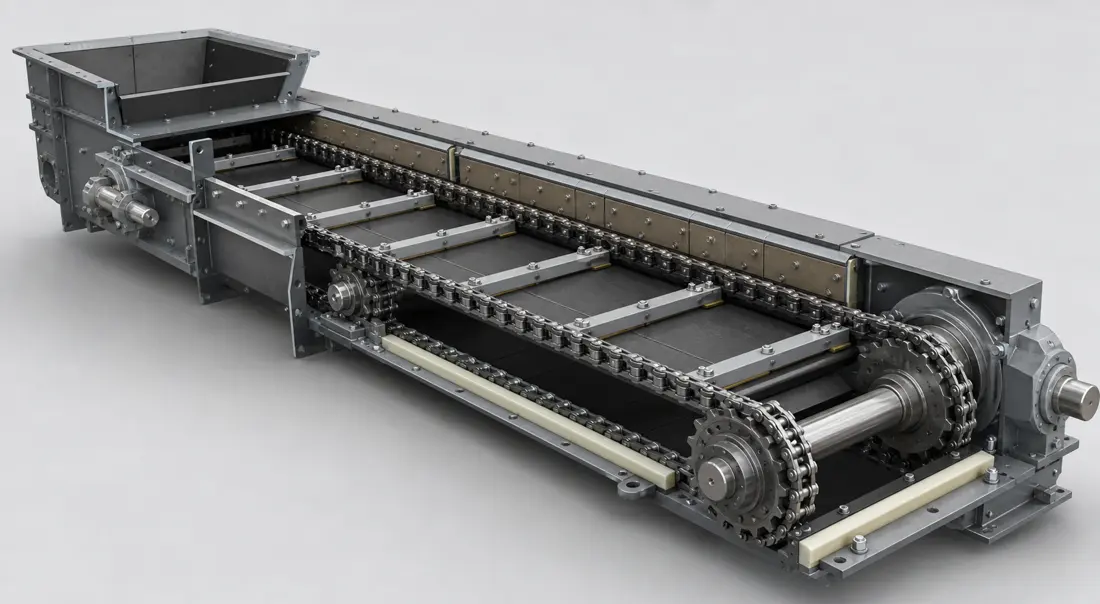
Drag Conveyor Flights
Connect to the chain and pull material. Check chain attachment holes, trough width, return clearance and wear edges.
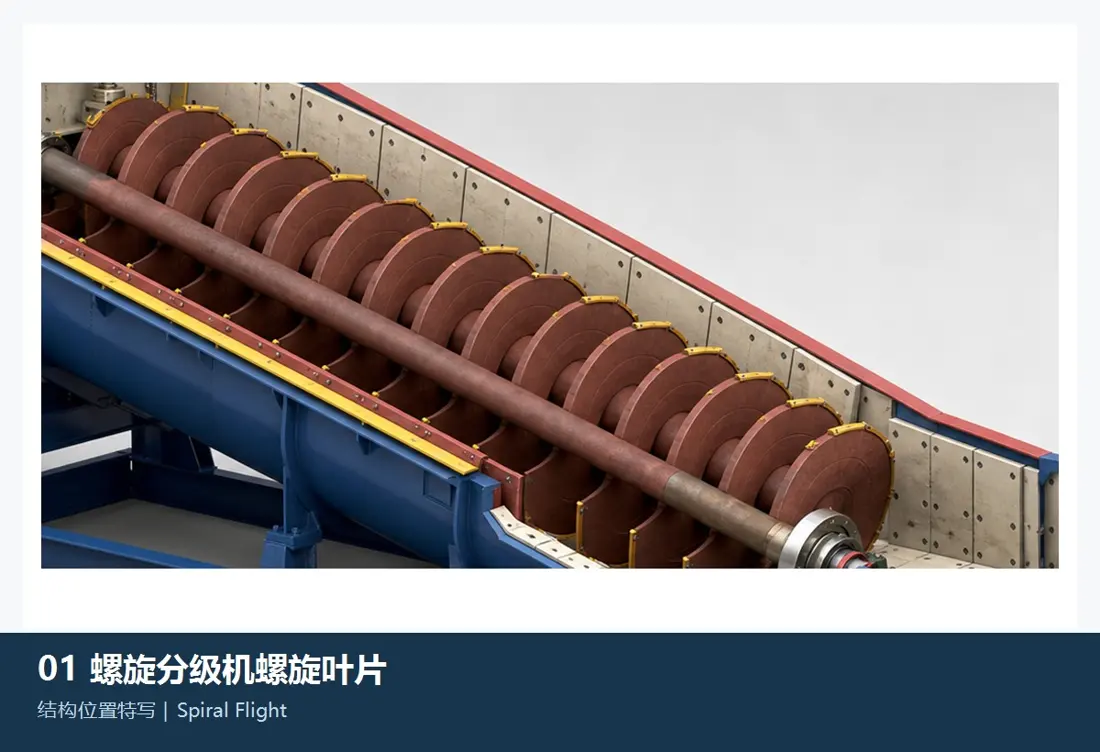
Spiral Blade / Spiral Flight
Lift or convey settled solids. Check pitch, outside diameter, handedness, flight body and replaceable wear edges.
Paper Machine Doctor Blades
Clean rolls, remove water or contaminants and assist sheet release. Select materials for the roll cover, position, line load, angle and speed.
Material Options
Select materials for the working surface and failure risk
Material families support preliminary selection. Determine grade, hardness, edge geometry and composite construction from drawings and operating conditions.
Selection Limits
Contact pressure, edge angle and mating surface jointly affect service life
Excessive or insufficient hardness, excessive pressure or an incorrect angle can damage both the blade and the surface being cleaned.
| Working part | Priority checks | Main Risks |
|---|---|---|
| Cutting edges / industrial knives | Edge angle, impact, abrasion, hole pattern, weight and material zones | Chipped or rolled edges, cracks around holes and loosening |
| Conveyor belt cleaner blades | Belt width, speed, splice, pressure, angle, material and temperature | Poor cleaning, abnormal wear and belt damage |
| Roll scrapers | Roll material, clearance / line load, adhering feed, yielding action and foreign objects | Blade breakage, roll scoring and buildup |
| Drag conveyor parts | Chain interface, trough, material, return path and wear edges | Uneven wear, deformation, cracks at connection holes and jamming |
| Paper machine doctor blades | Position, roll cover, angle, line load, speed, temperature and process media | Roll damage, vibration, sheet wrapping and ineffective cleaning |
Inquiries and Quality Control
Information for Cutting Edge and Blade Identification
When measuring used parts, establish the original edge and datum surfaces, and check the holder or mating part.
Equipment and location
OEM, full model, serial number, machine position, left/right or front/rear location, and orientation.
Drawings and dimensions
Drawing or sample, revision, length, thickness, edge angle, hole pattern, segmentation and straightness.
Mating working surface
Material and surface condition of the belt, roll, trough, material bed or ground.
Loads and adjustment
Contact pressure, clearance, angle, tension, yielding action, vibration and operating speed.
Materials and Processes
Body, edge, hardfacing, composite layer, heat treatment, hardness and permitted regrinding.
Failure records
Worn profile, chipped or rolled edges, cracks, loosening, scoring and actual service life.
Lining selection: Wirtgen distinguishes surface miner cutting drum tools from the rear scraper blade. Martin Engineering's belt cleaner guidance stresses matching blades to the material path, belt width and tensioning. Valmet groups doctor blades into metal, polymer and composite materials selected for the roll surface and machine position. Wirtgen 220 SM · Martin Belt Cleaner · Valmet Doctor Blades
Related Equipment and Parts
Equipment, Media and Materials
Find the working part through OEM or general equipment pages, then check drawing, installation positions and dimensions.
Bolt-on Cutting Edges Dedicated guidance for bucket, blade and construction equipment cutting edges. Bucket Teeth and Adapters GET parts adjacent to cutting edges, with different structures and locking systems. Rubber and Polyurethane Material selection criteria for belt cleaner blades and flexible wear parts. OEM Brands & Models Find the part using the full model, drawing and machine position.